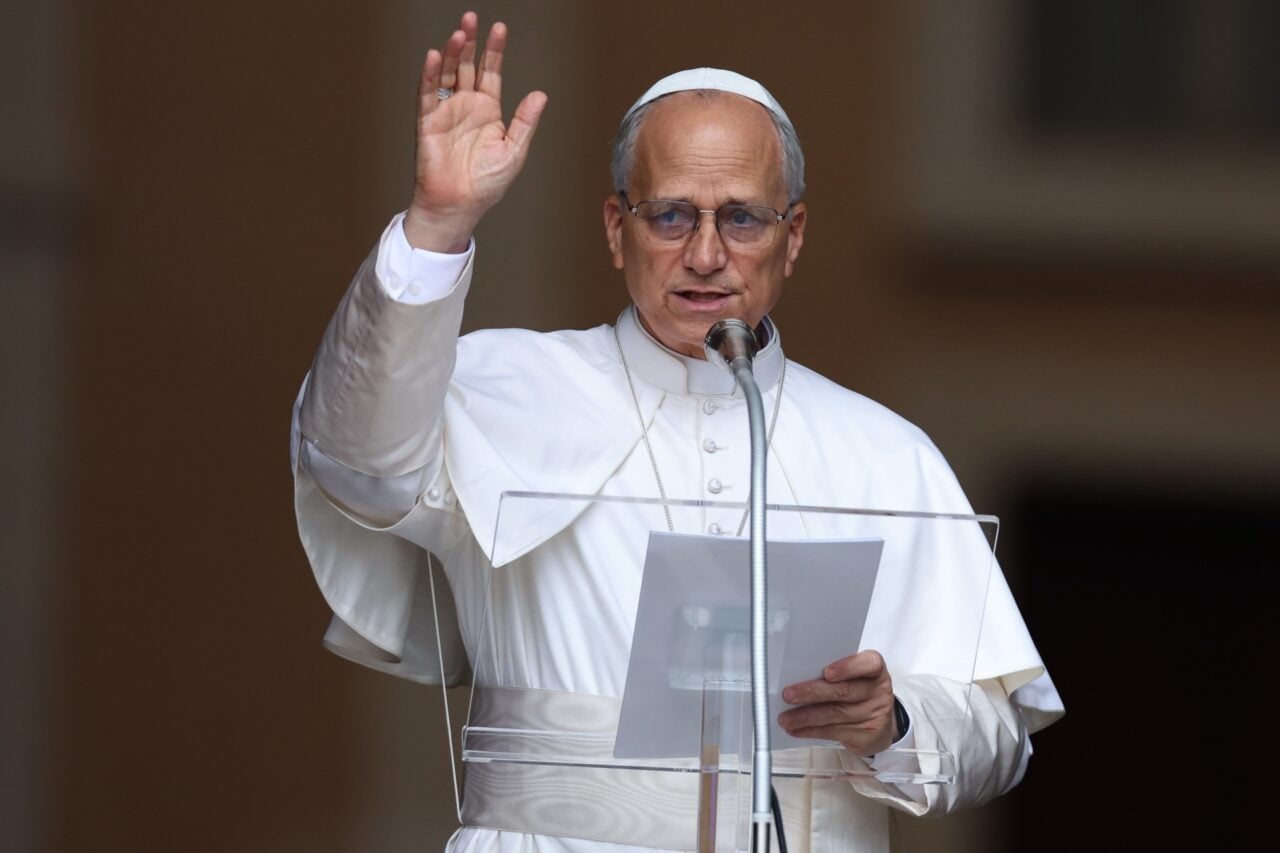
Хүний нэр төрийг хиймэл оюун ухаанаас (AI) хамгаалах тухай Ромын пап Лео XIV-ийн гаргасан “Magnifica Humanitas” нэртэй баримт бичгийг AI-аар бичсэн байж болзошгүй гэх хардлага олон нийтийн дунд өрнөөд байв. Үүнтэй холбогдуулан Ватикан уг бүтээлийг бүрэн эхээр нь хүний гараар бичигдсэнийг албан ёсоор баталгаажууллаа.
Маргаан үүсэхэд “Pangram Labs” зэрэг AI илрүүлэгч технологиуд болон судлаач Линч Жан нарын хийсэн шинжилгээ гол нөлөө үзүүлсэн юм. Тус компани Пап ламын цахим хуудсанд нийтлэгдсэн зарим агуулгыг AI-ийн оролцоотой байж магадгүй гэж үзсэн бол, зарим судлаач Пап лам бус, харин Ватиканы ажилтнууд туслах хэрэгсэл ашигласан байх магадлалтай гэж таамаглаж байв.
Энэхүү хардлагыг эцэслэхийн тулд Ватикан “Proudly Human” байгууллагаар баримт бичгээ шалгуулжээ. Уг процесс нь Пап ламын өмнө нь бичиж байсан бүтээлүүдийг хяналтын бүлэг болгон ашиглаж, бичвэрийн хэв маяг болон дүрмийн онцлогийг AI хэрэгслүүдээр харьцуулан шинжлэх замаар хийгдсэн байна.
“Proudly Human” компани нь тухайн бүтээлийг анхны ноорог болон эцсийн хувилбарт AI ашиглаагүй болохыг баталгаажуулснаар “Magnifica Humanitas” нь цэвэр хүний оюун ухаанаар бүтээгдсэн гэх дүгнэлтэд хүрсэн байна. Энэ тохиолдол нь хиймэл оюун ухааны эрин үед агуулгын жинхэнэ эх сурвалжийг тодорхойлох, итгэлцлийг бэхжүүлэх үйл явц ямар чухал болохыг харуулж байна.
Дэлгэрэнгүйг эх сурвалжаас харах
Эх сурвалжийг нээх ↓
When Pope Leo XIV issued Magnifica Humanitas, his 43,000-word encyclical calling for people to maintain and protect human dignity in the face of artificial intelligence, some in the AI world started to allege that the head of the Catholic Church used AI to write the document, accusing him of hypocrisy. While the Vatican never really acknowledged the allegations, it has since gone out of its way to discredit them. According to The Guardian, Magnifica Humanitas has been officially certified as human-authored.
A lot of this whole controversy just comes down to who you feel like you can trust. In one corner are the AI evangelists, who have decided to put their trust in AI detection systems (which are themselves AI-powered). Pangram Labs has become the biggest name in this space, in part because of its on-call status on X, where any user can tag the company on a post and get an analysis as to whether it is AI-generated or not.
Panagram Labs flagged a number of posts made to the official X account of Pope Leo XIV as likely being written by AI. An analysis of the full encyclical by the company suggested that while the majority of it seems to be human-authored, some paragraphs may contain AI-generated text. Linch Zhang, an AI researcher, also wrote an in-depth look at the document and concluded that some of the text is likely to be AI-authored—though was careful to suggest that it’s more likely Vatican officials used AI assistance for portions of the paper than Pope Leo himself.
And while the palace/papal intrigue of some staffer sneaking in AI-generated text would make for a lower-stakesConclave follow-up, it seems the Vatican is pouring cold water on that idea. Per The Guardian, the church has gone through the trouble of having the entire encyclical verified as human-authored by Proudly Human, a company that certifies works as being made by real people without AI.
To get that certification, the church reportedly submitted a collection of writings and speeches made by the pope. Those seem to be used as a sort of control group, and the encyclical is tested against it to verify its authenticity. The process includes submitting to an ID check and signing a verification that AI was not used for a first draft and did not write any sentences or paragraphs of the finished product.
How exactly does one analyze and compare so many texts? You’re never going to believe this, but with AI. Proudly Human reportedly uses several different tools to look at nuances in writing and grammar choices between the texts. The company then uses its own averaging algorithm to determine authenticity.
Its verdict on Magnifica Humanitas: purely human.
So really, it comes down to whose process and motivations you trust. Not that this has ever stopped a Pope from doing wrong in the past, but he is the only one in this situation with the threat of eternal damnation actively hanging over his head should he be lying, so one would assume that’d be a pretty solid motivator to be honest about the situation.