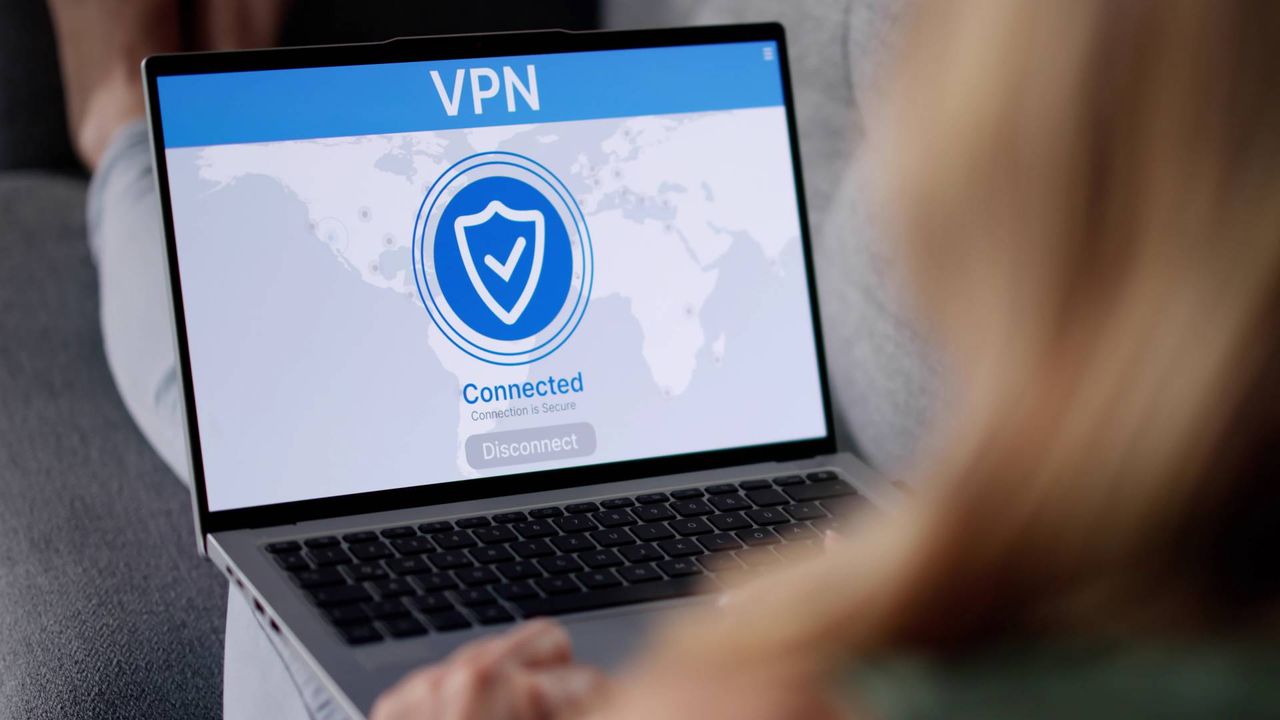
Европын холбооны Шүүх VPN үйлчилгээг хэрэглэгчид хууль ёсны дагуу ашиглах боломжтой техникийн хэрэгсэл хэмээн тодорхойлж, энэ чиглэлээр чухал жишиг тогтоолоо.
Зохиогчийн эрхийн маргаантай холбоотой энэхүү шийдвэр нь VPN ашиглан газарзүйн байршлын хязгаарлалтыг тойрч, зохиогчийн эрхээр хамгаалагдсан контентод нэвтэрсэн тохиолдолд VPN үйлчилгээ үзүүлэгчдийг хариуцлага хүлээхгүй гэдгийг нотолсон юм. Шүүхээс VPN үйлчилгээ үзүүлэгч нь эцсийн хэрэглэгчдэд хамгаалагдсан бүтээл рүү нэвтрэх боломжийг шууд олгодоггүй, мөн тэдний үйлчилгээг буруугаар ашиглаж болзошгүйг мэддэг байсан ч тухайн нэвтрэх үйл явцад оролцдоггүй гэж үзжээ.
Энэхүү дүгнэлт нь VPN-ийг зөвхөн эргэлзээтэй зорилгоор ашигладаг гэсэн ойлголтыг үгүйсгэж байна. Мөн газарзүйн хязгаарлалтыг тойрч гарах боломжтой байх нь тухайн хязгаарлалтын арга хэмжээг үр дүнгүй гэж үзэх шийдвэрлэх хүчин зүйл болохгүй гэдгийг шүүх онцолжээ.
Сүүлийн жилүүдэд Их Британи, АНУ-ын зарим мужууд VPN-ийг хориглох эсвэл хязгаарлах асуудлыг хөндөж байсан ч олон улсад энэ талын шийдвэрүүд эсрэг тэсрэг үр дүнтэй байна. Европын холбооны энэхүү шийдвэр нь цаашид улс төрийн түвшинд VPN-ийг хориглох санаачилга гаргах гэж буй албаны хүмүүст анхаарах ёстой чухал жишиг болох төлөвтэй байна.
Дэлгэрэнгүйг эх сурвалжаас харах
↓Эх сурвалжийг нээх ↓
One of the highest courts in Europe has described VPNs as “lawful technical tools which users may legitimately use” in a landmark case. The Court of Justice of the European Union made this remark as part of a larger judgement regarding the online publication of The Diary of Anne Frank.
The case in question is a complex legal dispute over copyright. As the July judgement explains, the Anne Frank Fund will hold the rights to parts of the historical manuscripts until at least 2037. However, in some EU member states, such as Belgium, these works are in the public domain. The dispute centres on a Dutch translation of the diaries which was offered free online to users living in member states where the manuscripts had already entered the public domain—though obviously, a VPN can get around location based restrictions (via Tech Radar).
At the risk of oversimplifying, the EU court had to rule whether the online publisher and host of the Dutch translation was liable for copyright infringement when users hopped the online fence via a VPN. The court essentially ruled no, setting a legal precedent along with it.
By referring to VPNs as “lawful technical tools,” this judgement pushes back against the idea that users would only leverage such tools for questionable ends. Additionally, the judgement also reads that, while geo-blocking measures can be circumvented by VPNs, “the possibility of such circumvention cannot [… ] be a decisive factor in finding those measures to be inadequate and, therefore, ineffective.”
The ruling also places VPN providers in the clear as far as copyright infringement is concerned, too. The judgement reads that VPN providers are not the ones directly giving “end users access to a protected work” and that “even if the provider is aware of the consequence that its service may be used to access protected works without the consent of their authors, the provider is not itself intervening for the purposes of such access.”
Furthermore, copyrighted communication is “attributable to the person who published the work on that site and not to the provider of the VPN or similar service who enabled its user to circumvent [an ineffective geo-blocking] measure.
VPNs have become a hot button issue in recent years. For instance, the UK introduced the Online Safety Act back in 2023, with mandated sites having to implement age checks to restrict children from viewing ‘harmful’ content. Besides creatively circumventing these checks, VPNs are another obvious option.
The UK government did briefly consider banning VPNs as a result, though has since ‘decided not to limit‘ the tools. As for the US, the state of Utah has been trying to float its own VPN ban, though Wisconsin has reversed its decision to ban the tools. The Electronic Frontier Foundation previously criticised State-level crackdowns like these for threatening to ‘break VPN access for the entire internet. Perhaps the latest EU ruling will make some politicians think twice about proposing bans in the future.

