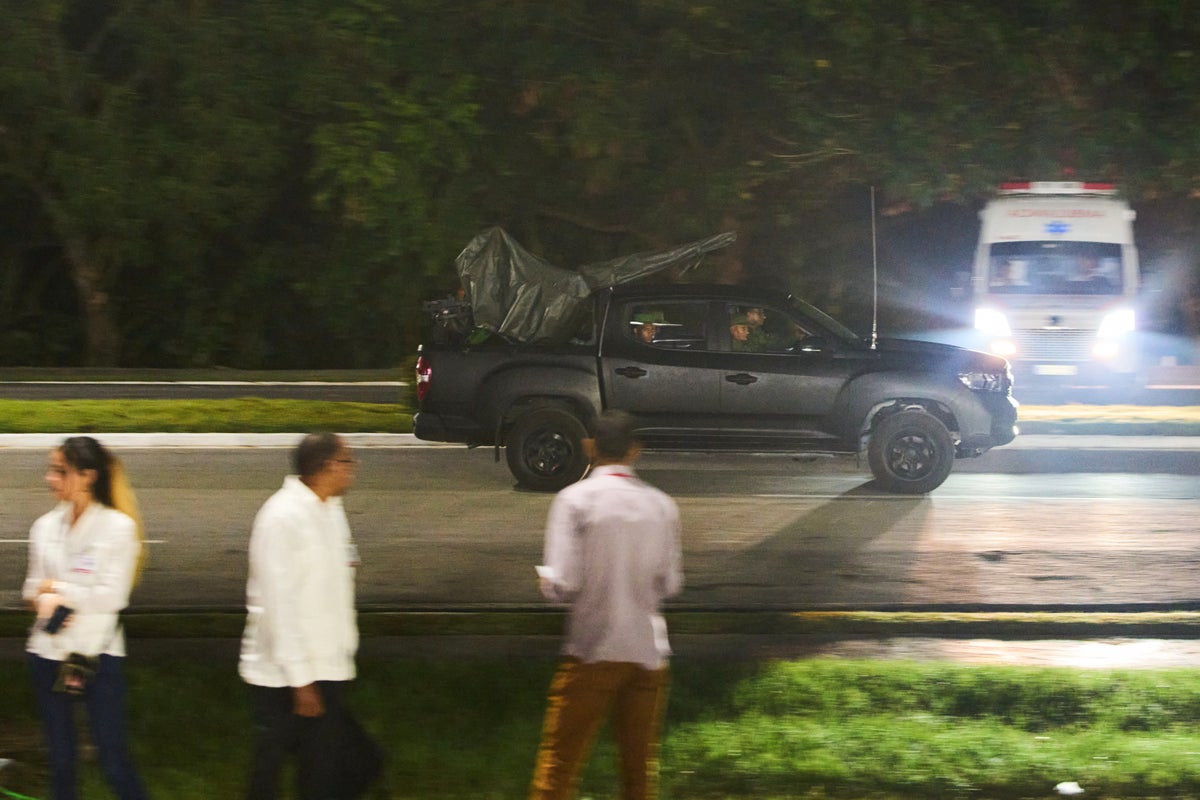
Кубын хувьсгалын түүхэн ойн баярын цуглаанд тус улсын удирдагч асан Раул Кастро 30 гаруй жилийн хугацаанд анх удаа оролцсонгүй.
Пинар дел Рио хотод болсон 1953 оны долдугаар сарын 26-ны өдрийн Монкада болон Карлос Мануэль де Сеспедес цэргийн хуаран руу хийсэн дайралтын ойн арга хэмжээг Ерөнхийлөгч Мигель Диаз-Канел удирдан явууллаа. Тэрээр Раул Кастрогийн илгээсэн баярын мэндчилгээг ард түмэндээ уншиж танилцуулсан бөгөөд түүний эзгүй байсан шалтгааныг албан ёсоор тайлбарласангүй. Энэхүү цэргийн ажиллагаа нь амжилтгүй болсон ч 1959 оны нэгдүгээр сарын 1-нд ялалтаар төгссөн хувьсгалт тэмцлийн эхлэл болсон түүхтэй юм.
Ерөнхийлөгч Мигель Диаз-Канел арга хэмжээний үеэр АНУ-ын Төрийн департаментаас Кубыг Латин Америк болон АНУ-ын эсрэг тагнуулын сүлжээ ажиллуулдаг хэмээн буруутгасан тайланг няцаав. Тэрээр АНУ-ын зүгээс Кубын компаниуд болон албан тушаалтнуудад тавьж буй хориг арга хэмжээг “эдийн засгийн боомилолт” болон “дээд зэргийн дарамт” хэмээн тодорхойлж, үүнийг геноцид гэж мэдэгдлээ.
АНУ-ын зүгээс тавьсан газрын тосны хориг арга хэмжээний улмаас Куба улс эрчим хүчний хямралд орж, өдөрт 20 гаруй цагийн цахилгааны тасалдал үүсээд байна. Үүнээс гадна эм тариа, усны хомсдол нүүрлэж, Visa, Mastercard зэрэг олон улсын төлбөрийн системүүд болон томоохон агаарын тээврийн компаниуд тус улсаас гарч байгаа нь эдийн засгийн хямралыг улам хүндрүүлж байна.
Раул Кастро нь албан тушаал хашдаггүй ч Кубын улс төрд бэлгэдлийн чухал байр суурьтай хэвээр байгаа юм. Саяхан түүнийг АНУ-ын эрчим хүчний хориг арга хэмжээний дараах хэлэлцээрийн үеэр зуучлагчаар ажилласан гэж үзэж байгаа ч тавдугаар сард АНУ-аас түүнийг 1996 онд иргэний агаарын хөлгийг сөнөөсөн хэрэгт буруутган яллах дүгнэлт үйлдсэн билээ.
Дэлгэрэнгүйг эх сурвалжаас харах
↓Эх сурвалжийг нээх ↓
Cuba held a traditional rally on Sunday to commemorate one of the revolution’s most important anniversaries, with former President Raúl Castro, 95, conspicuously absent.
It’s the first time in at least 30 years that Castro did not attend the event, and no explanation was offered.
The event was presided by President Miguel Díaz-Canel, who read a congratulatory message from Castro to his compatriots in the eastern city of Pinar del Río, where the rally was held.
The annual event commemorates the July 26, 1953, assault led by brothers Fidel and Raúl Castro on the Moncada and Carlos Manuel de Céspedes barracks in Cuba’s eastern region. The military action against former dictator Fulgencio Batista failed, but it marked the beginning of the revolutionary struggle that culminated on Jan. 1, 1959.
Castro’s last public appearances were in June during an event to establish the Ministry of the Interior and on May 1 to celebrate Labor Day.
Castro no longer holds any formal positions, but his symbolic presence is strong, and he was recently identified as one of the negotiators in talks with the United States following the imposition of a U.S. energy embargo.
Facing a crowd of hundreds of people waving Cuban flags early Sunday, Díaz-Canel rejected a report that the U.S. State Department published last week that accused Cuba of running a leftist espionage and influence network against the United States and Latin America for decades.
“Every day they issue a threat against the revolution, and every week they announce a new punishment for Cuban companies and officials,” the president said.
In May, Castro was charged in a U.S. indictment with murder and other crimes for his alleged role in the downing of two civilian aircraft operated by Miami-based exiles in 1996 off the coast of the Caribbean island.
The accusations were widely rejected by Cuba’s government.
Cuba is going through one of the worst periods in its historically tense relationship with the United States.
U.S. President Donald Trump has said he hopes to “take over” the island after his January attack on Venezuela — a key ally of Cuba for decades — and imposed an oil embargo that has practically paralyzed the Caribbean nation, pressuring it to change its economic and political model.
“Cuba is the victim of a coldly calculated genocide,” Díaz-Canel said during his speech, in which he accused the Trump administration of imposing a policy of “maximum pressure” and intensified “economic strangulation.”
Daily blackouts are lasting more than 20 hours, workdays have been reduced, industrial production halted, and shortages of water and medicine are hitting an island already undergoing a severe crisis in the past five years given previous sanctions imposed by the U.S. and an internal financial reform that sparked inflation.
Meanwhile, hotel chains including Spain’s Meliá, payment processors like Visa and Mastercard and airlines such as Air Canada and Air France have left the island as its economic and financial crises deepen.

