Хиймэл оюуны салбарын хөгжилд нээлттэй загварууд чухал үүрэгтэйг онцлон, нээлттэй загварт тавих хязгаарлалтыг эрт тогтоохгүй байхыг салбарын тэргүүлэгч компаниуд уриаллаа.
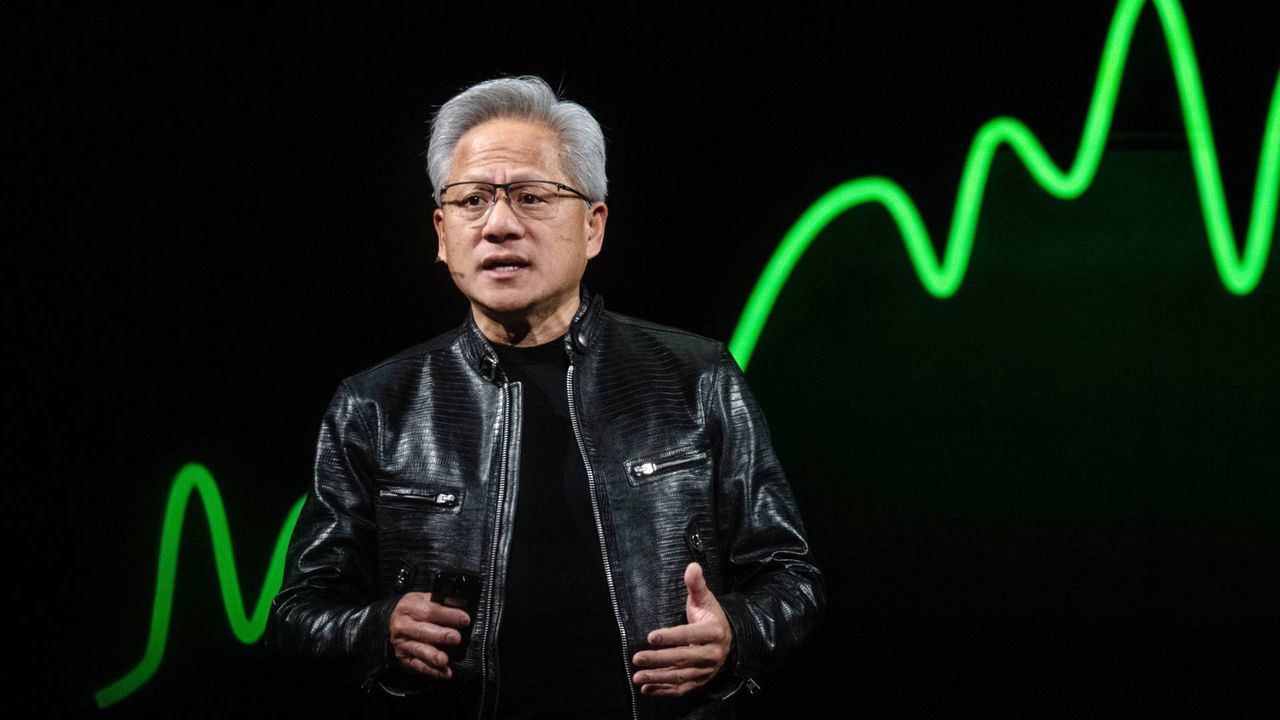
NVIDIA-ийн гүйцэтгэх захирал Жэнсэн Хуан саяхан өөрийн анхны нийтлэлээрээ дамжуулан хиймэл оюуны нээлттэй загваруудыг (open models) хамгаалах байр сууриа илэрхийлжээ. Тэрээр Microsoft, Google, Meta, OpenAI зэрэг компаниудын нэгэн адил нээлттэй загварууд нь инновацийг хурдасгаж, аюулгүй байдлыг бэхжүүлэхээс гадна улс орнуудын технологийн бие даасан байдлыг хангахад тусалдаг гэж үзэж байна.
Нээлттэй загвар гэдэг нь код болон жингийн (weights) мэдээлэл нь ил тод, хэрэглэгч өөрөө өөрчлөх боломжтой загваруудыг хэлдэг. Эсрэгээрээ, хаалттай загварууд нь зөвхөн тодорхой компанийн хяналтад, үүлэн технологиор дамжин ашиглагддаг. Сүүлийн үед DeepSeek зэрэг Хятадын нээлттэй загварууд зах зээлд хүч түрэн орж ирсэн нь АНУ-ын компаниудын өрсөлдөөнийг хурцатгаж, улмаар АНУ-ын засгийн газар кибер аюулгүй байдлын үүднээс эдгээр загварыг хориглох асуудлыг хөндөхөд хүргээд байгаа юм.
Хэдийгээр нээлттэй загварууд нь хөгжүүлэгчийн хяналтаас гарч, хувиргагдсан хувилбаруудыг хянах боломжгүй зэрэг эрсдэл дагуулдаг ч салбарын төлөөлөгчид үүнийг хориглох нь зөв шийдэл биш гэж үзэж байна. Харин ч эдгээр загварын давуу талыг ашиглан эрсдэлийг бууруулах боломжтой гэж тэд үзэж байна. Энэхүү байр суурийг AMD, Cloudflare, GitHub, IBM, Hugging Face зэрэг технологийн салбарын гол тоглогчид дэмжиж, нээлттэй загварт тавих урьдчилсан хязгаарлалт нь өрсөлдөөнийг боомилж, инновацийг гадаад руу түлхэх аюултайг санууллаа.
Дэлгэрэнгүйг эх сурвалжаас харах
↓Эх сурвалжийг нээх ↓
Nvidia’s CEO Jensen Huang joined X last month, and recently made his first-ever post. As you could probably guess, it’s about AI. He argues, alongside companies like Google, OpenAI, and Meta, that the US should not aim to restrict open models ‘prematurely’, as they’re important for the growth of AI (among other things).
Taking a quick step back, Open models are ones that give access to weights or even code to see how it runs and to allow users to modify them. These can be run locally and are customisable. Closed models are those that tend to be run by specific companies, accessed via the cloud and APIs, and keep all their weights hidden.
Open models out of China, like DeepSeek, became a problem for American AI firms at the start of last year. They exploded onto the scene, offering similar services to the likes of OpenAI, but totally free and available locally. Just last week, the Trump administration was reportedly looking to ban Chinese AI models due to cybersecurity concerns.
The battle between closed and open models is also partially a digital proxy war between American and non-American AI. Open models give access to anyone, and the US is hoping for AI dominance. Sharing how it builds its world-leading models could pose a risk to American hegemony, even if AI makers posit that open models are a benefit to everyone.
Microsoft’s open letter claims that open weights strengthen competition and “expand access to the AI economy”. Effectively, the wider adoption of AI is good for the companies betting on it, and the likes of AMD, Cloudflare, Google, GitHub, IBM, Hugging Face, LM Studio, Meta, OpenAI, and of course Nvidia have signed the appeal.
For my first post, I’m sharing a letter @NVIDIA signed on why open models matter.AI will transform every industry, power every company, and be built by every country.Open models strengthen safety and cybersecurity, accelerate innovation and diffusion, and enable sovereignty.… pic.twitter.com/t02bi51N4CJuly 24, 2026
The letter claims to want to avoid “premature restrictions on open models that stifle competition or drive innovation overseas”.
Huang says “AI will transform every industry, power every company, and be built by every country. Open models strengthen safety and cybersecurity, accelerate innovation and diffusion, and enable sovereignty. The world needs both frontier closed models and frontier open models.”
The letter does acknowledge problems with open models, though. It says “open weights carry real and distinct risks. Once released, the weights are beyond the original developer’s control, and modified versions are difficult to trace or reverse. But the right response to this risk is not to prohibit open weights.”
Not only is wider adoption good for these companies, but they argue the insights gained from open models can be used to counter the negative effects or risks of leaving them widely accessible to all. And, ultimately, it’s in the interest of the companies causing the memory crisis to justify AI of all kinds. The increasing prices of hardware, use of water, and general strain on resources have got to be worth all the effort, right?

