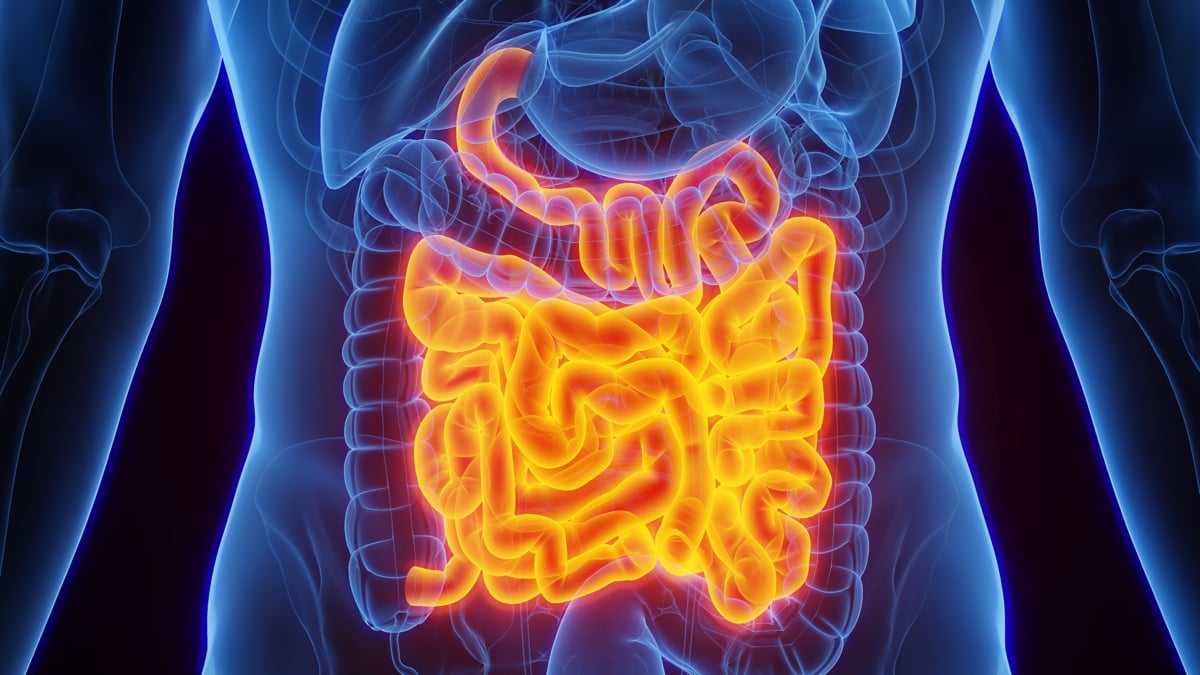
Эрдэмтэд хулгана дээр хийсэн судалгаагаар бүдүүн гэдэсний хөдөлгөөн болон мэдрэхүйн үйл ажиллагааг нэгэн зэрэг хариуцдаг мэдрэлийн эсийн бүлгийг илрүүлжээ.
Судлаачид хулганы бүдүүн гэдсэн дэх Pdyn генээр тэмдэглэгдсэн мэдрэлийн эсүүдийг судалж, эдгээр эс нь гэдэсний агууламжийг урагшлуулах болон дотоод мэдрэмжийг дамжуулахад оролцдог болохыг тогтоосон байна. Лабораторийн нөхцөлд эдгээр эсийг идэвхжүүлэхэд гэдэсний агшилт сайжирч, ялгадас гадагшлах үйл явц эрчимжжээ. Харин амьд хулгана дээр туршилт хийхэд гэдэсний хөдөлгөөн шууд өөрчлөгдөөгүй ч амьтад өвдөлт эсвэл таагүй мэдрэмжтэй холбоотой зан авир гаргасан байна.
Вашингтоны их сургуулийн Анагаах ухааны сургуулийн эмч, эрдэмтэн Даниел Вербарогийн тайлбарласнаар, эдгээр эс нь үрэвслийн дохиололд шууд хариу үйлдэл үзүүлэх чадвартай байж болох юм. Энэ нь гэдэсний “хоёр дахь тархи” гэгддэг гэдэсний мэдрэлийн систем нь хоол боловсруулах үйл явцыг зохицуулахаас гадна дотоод эрхтний мэдрэмжийг хянах чухал үүрэгтэйг харуулж байна.
Гэсэн хэдий ч энэхүү судалгаа нь одоогоор хөндлөнгийн хяналт (peer review) хийгдээгүй, урьдчилсан байдлаар 2026 оны долдугаар сарын 21-нд bioRxiv цахим хуудсанд нийтлэгдсэн байна. Хэдийгээр хүний гэдсэнд ч ижил төстэй мэдрэлийн эсүүд байдаг боловч эдгээр эс нь хүнд хэрхэн нөлөөлдөг, мөн архаг өтгөн хаталт болон цочромтгой гэдэсний хам шинжтэй ямар холбоотой болохыг тогтооход нэмэлт судалгаа шаардлагатай гэж судлаачид үзэж байна.
Дэлгэрэнгүйг эх сурвалжаас харах
↓Эх сурвалжийг нээх ↓
Constipation and abdominal pain often occur together, but scientists still don’t fully understand how the nervous system coordinates movement through the bowel with the sensations arising from inside it.
In a new study in mice, scientists have identified a group of neurons that may contribute to both processes.
When researchers activated these cells in isolated colons, fecal pellets were more likely to move forward. Activating them in living mice also produced behaviors associated with pain or discomfort.
Together, the findings raise the possibility that the same gut neurons may help coordinate how the colon moves its contents and how the body senses what is happening inside it.
“These neurons might directly respond to inflammation.” – physician-scientist Daniel Verbaro
The study is available as a bioRxiv preprint and has yet to undergo peer review.
The digestive tract contains an extensive network of nerve cells known as the enteric nervous system. Sometimes described as the ‘second brain‘, it helps regulate digestion and coordinate the muscular contractions that propel material through the intestines.
A 2025 study published in Nature found that different nutrients activate distinct groups of enteric neurons in mice, providing further evidence that the gut’s own nervous system can detect and distinguish signals arising inside the intestine.
Yet the enteric nervous system contains many different kinds of neurons, and scientists are still working out what each population does.
The researchers searched gene expression data for a marker that could distinguish sensory neurons inside the gut from sensory nerve cells connecting the intestine with the brain and spinal cord.
Their analysis pointed to Pdyn, the gene encoding a protein called prodynorphin.
Using genetically modified mice, the researchers tracked neurons associated with Pdyn. They found that these cells were concentrated within the colon’s own nervous system, with some forming part of the nerve network that controls gut movement.
This gave the researchers a way to study a specific group of neurons that might help propel material through the bowel.
The cells’ electrical behavior also showed that they responded in quick bursts: They produced one or two signals when stimulated, then fell silent even if the stimulation continued.
Researchers then activated these neurons with light to see how they affected bowel movement. When the neurons were stimulated in colons removed from mice, fecal pellets moved forward.
“Our ex vivo experiments provide the strongest evidence of this,” Daniel Verbaro, a pediatrician and physician-scientist at Washington University School of Medicine in St. Louis told ScienceAlert.
Because the colon had been removed from the body, it no longer received signals from the brain, spinal cord, or external nerves. This allowed the researchers to see what the gut’s own nerve cells could accomplish on their own.
However, stimulating the same neurons in living mice did not change the amount of stool they produced. Verbaro says this may be because bowel movement in a living animal depends on signals from both the enteric nervous system and nerves outside the gut.
“Likely, the combination of these external signals and the enteric nervous system signals control gastrointestinal motility in the mouse,” he said.
Although the stimulation did not affect stool output, it triggered a different response: The mice froze and tightened the areas around their eyes. These behaviors can indicate pain or discomfort in mice.
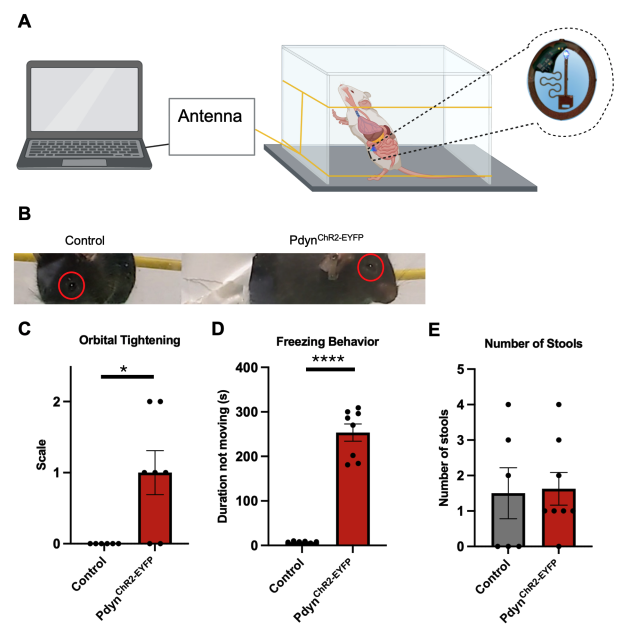
The findings suggest that these neurons may be involved not only in bowel movement, but also in sensing what is happening inside the gut. However, the researchers do not yet know exactly what the mice experienced or whether the neurons directly cause pain.
“We have not dissected how these functions are connected,” Verbaro said.
The researchers also found that the neurons carry features that may allow them to detect signals associated with inflammation.
They therefore suspect that the cells could react to inflammation, although this has not yet been demonstrated experimentally.

“These neurons express cytokine receptor subunits in healthy mice, and this leads us to hypothesize that these neurons might directly respond to inflammation,” Verbaro explained.
Similar enteric neurons have also been found in the human gut, butwhether these cells affect bowel movement and pain in people remains unknown.
“I believe this work will eventually help us understand human GI symptoms,” Verbaro said.
“I think it will be essential to know if human enteric neurons also play a role in intestinal pain. This will allow us to better develop strategies targeting motility and/or pain.”
The findings may eventually contribute to a better understanding of conditions such as chronic constipation and irritable bowel syndrome. However, neither condition was directly investigated in this study.
As the study has not yet undergone peer review, its findings will need to be confirmed by further research.
The research is available as a preprint on bioRxiv.
This article was fact-checked by Michael Irving and edited by Rebecca Dyer. While we pride ourselves on our process, we are only human. If you spot a mistake, please let us know.

