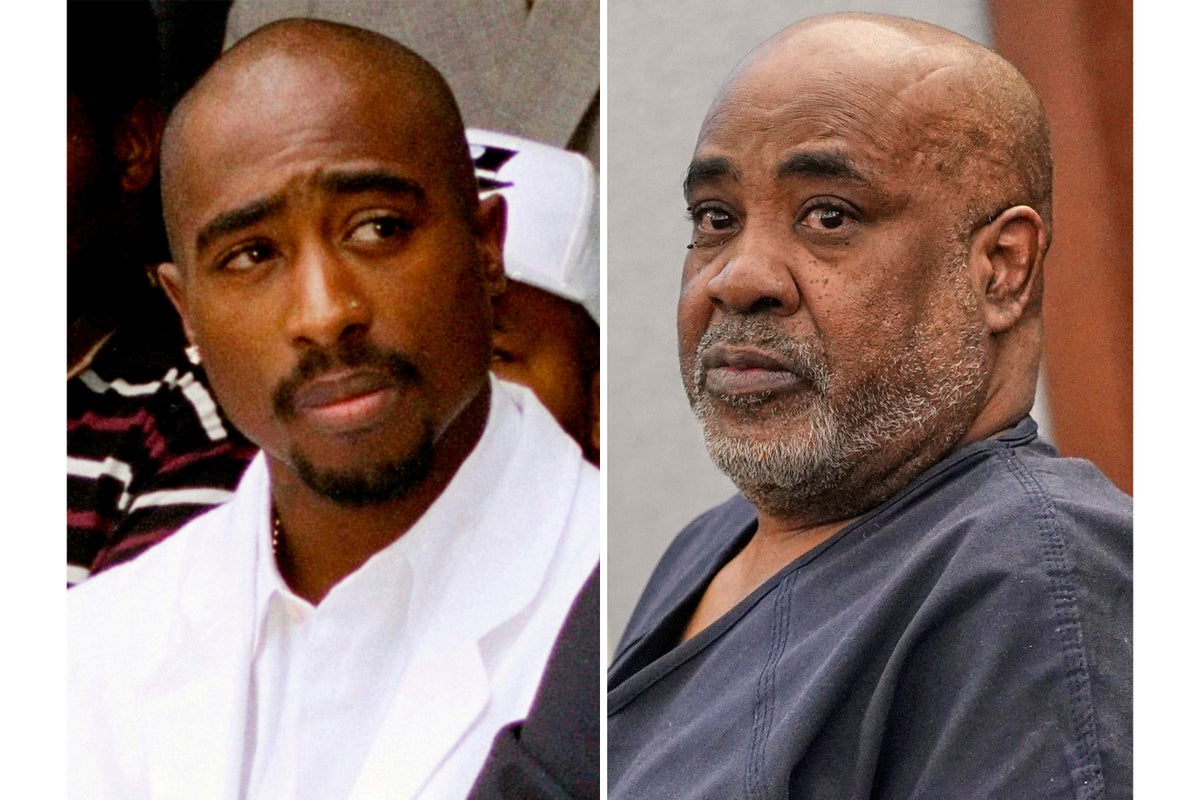
Невада мужийн шүүх рэп хөгжмийн од Тупак Шакурын амийг хөнөөсөн хэрэгт холбогдогч Дуэйн “Кеффе Ди” Дэвисийн 2008 онд цагдаагийн байгууллагад өгсөн мэдүүлгийг шүүх хуралдааны үеэр нотлох баримтаар ашиглах шийдвэр гаргалаа.
Кларк тойргийн шүүгч Карли Кирни хамгаалалтын талын гаргасан уг мэдүүлгийг хэрэгсэхгүй болгох хүсэлтийг няцааж, наймдугаар сарын 10-нд эхлэх шүүх хурлаар уг бичлэгийг үзүүлэхээр болжээ. 63 настай Дэвис нь 1996 онд рэппер Тупак Шакурыг буудан хөнөөсөн хэрэгт буруутгагдаж байгаа бөгөөд гэм буруутай нь тогтоогдвол бүх насаараа хоригдох ял сонсож болзошгүй юм.
Уг хэрэг нь олон арван жилийн турш шийдэгдээгүй байсан ч Дэвис өөрийн дурсамж ном болон хэвлэлд өгсөн ярилцлагууддаа халдлага үйлдсэн автомашинд сууж явсан, зэвсгээр хангасан гэдгээ ил тод ярьснаар мөрдөн байцаалтын ажиллагаа идэвхжсэн байна. Дэвисийн өмгөөлөгч Майкл Санфт уг ярилцлагыг нууцын зэрэглэлтэй гэж үзэж байсан тул шүүхэд ашиглах ёсгүй гэж маргасан ч прокурорууд үүнийг няцаажээ.
Прокурорын зүгээр Дэвис тухайн үед цагаан өнгийн Cadillac автомашинд гурван хүний хамт явсан гэж үзэж байна. Тэдгээр хүмүүсийн нэг болох түүний ач хүү Орландо Андерсон нь 1998 онд өөр нэгэн гэмт хэргийн улмаас амиа алдсан бөгөөд автомашинд байсан бусад хүмүүс ч мөн нас барсан тул Дэвис энэ хэргийн амьд үлдсэн цорын ганц сэжигтэн болж үлджээ.
Дэлгэрэнгүйг эх сурвалжаас харах
↓Эх сурвалжийг нээх ↓
A Nevada judge ruled Tuesday that a key 2008 police interview with Duane “Keffe D” Davis can be played for jurors at his upcoming murder trial, clearing the way for prosecutors to use one of the most closely watched pieces of evidence in the decades-old case.
Clark County District Court Judge Carli Kierny rejected the defense’s effort to keep the interview out of court, ruling the recording is admissible when Davis goes on trial Aug. 10.
Davis, 63, is charged with murder in the 1996 drive-by killing of rap icon Tupac Shakur. If convicted, he faces life in prison without the possibility of parole.
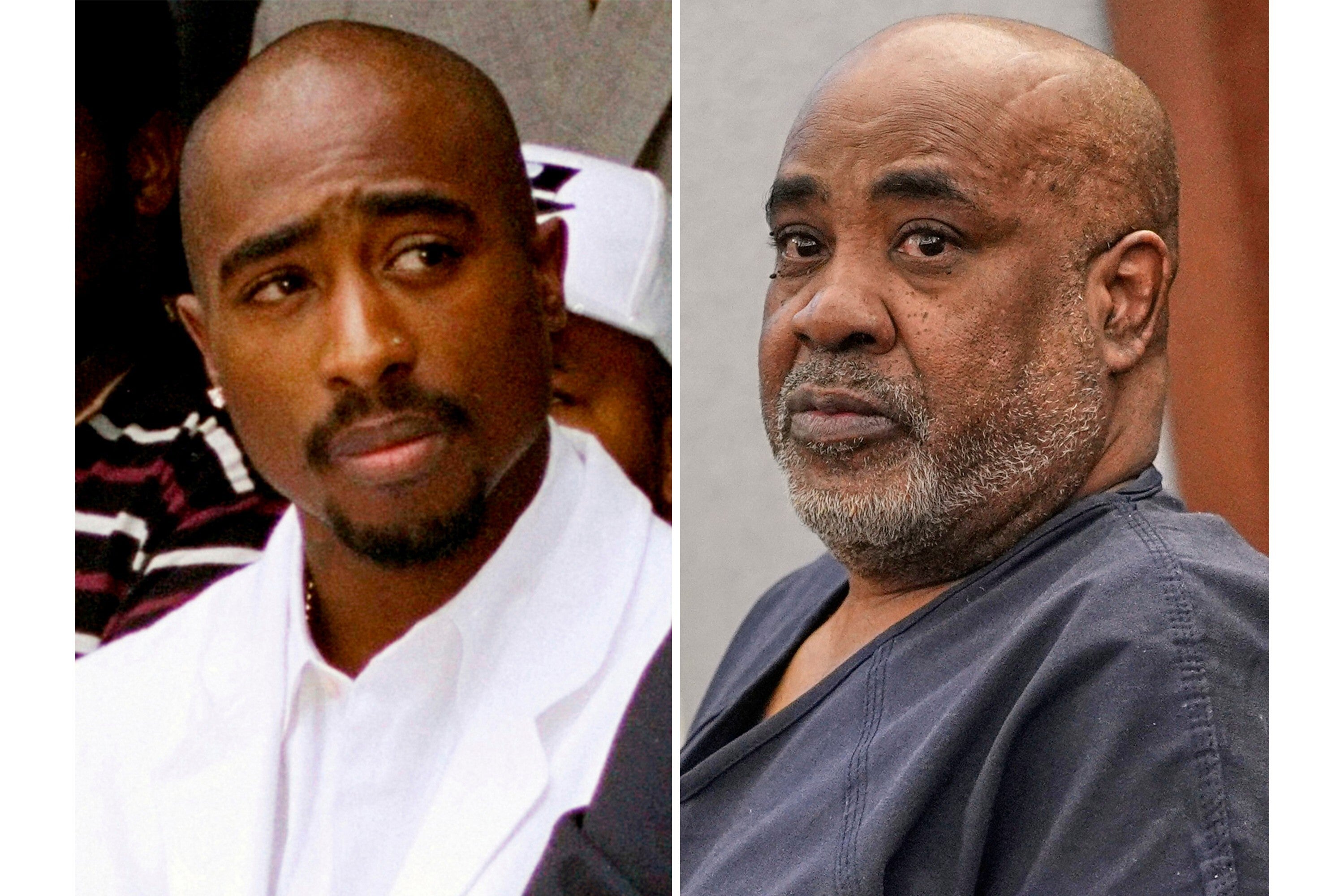
Shakur’s killing has remained one of America’s most infamous unsolved murders for nearly three decades, fueling countless books, documentaries and conspiracy theories.
The investigation stalled for years until Davis began publicly discussing the shooting, including in interviews and a memoir in which he wrote that he was inside the white Cadillac involved in the attack and supplied the gun used in the shooting.
Defense attorney Michael Sanft argued the 2008 interview should be excluded because Davis believed it was confidential and detectives allegedly told him it would not be used against him.
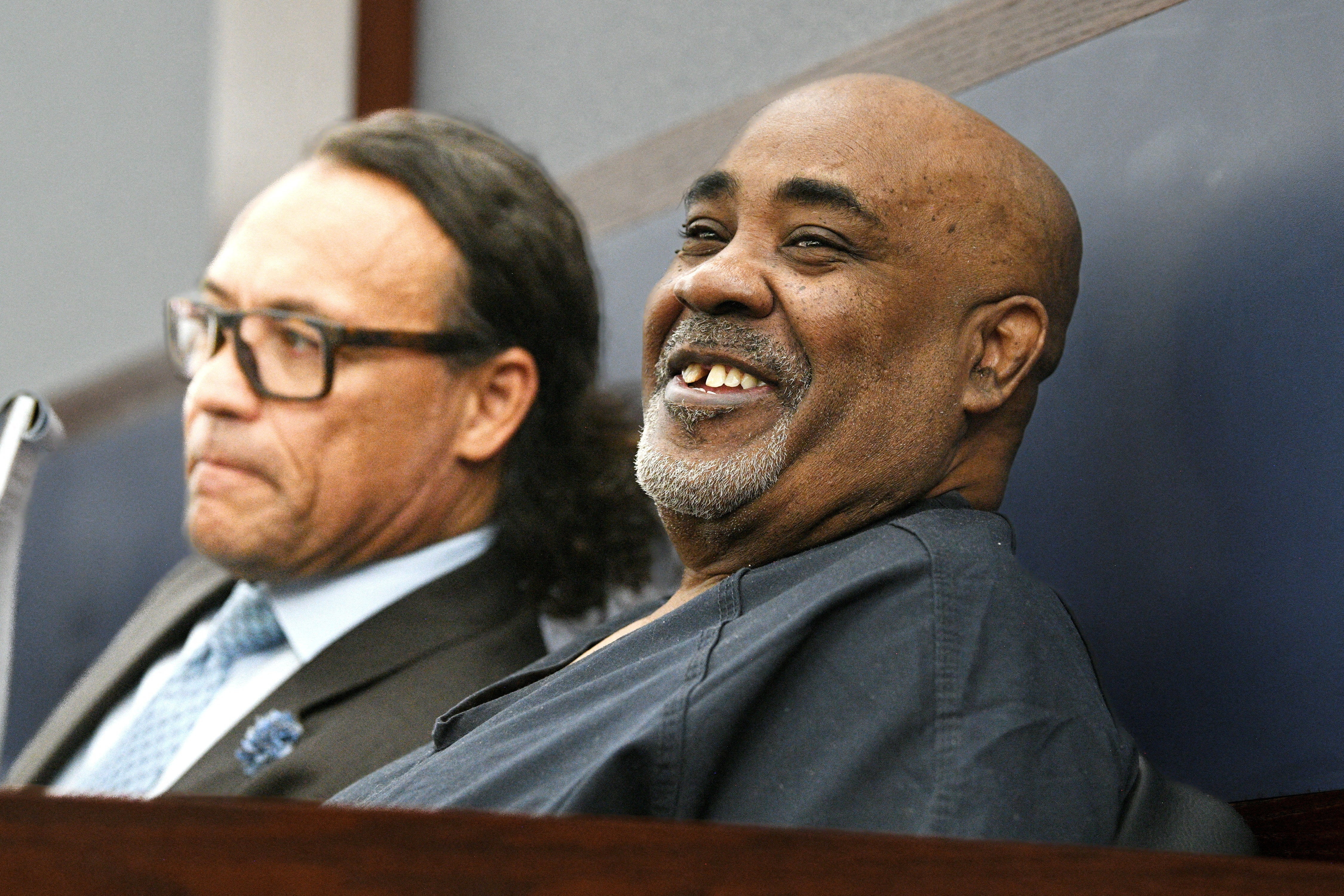
Prosecutors countered there was no legal basis to suppress the interview, which is expected to become a central piece of evidence during the trial, scheduled to last about four weeks.
The interview has previously been referenced in former Los Angeles Police Department detective Greg Kading’s book Murder Rap and featured in several documentaries, including Sean Combs: The Reckoning.
Shakur was shot on Sept. 7, 1996, while riding in a BMW driven by Death Row Records co-founder Marion “Suge” Knight after the pair stopped at a red light near the Las Vegas Strip. A white Cadillac pulled alongside them and opened fire. Shakur died six days later at age 25. Knight survived with minor injuries.
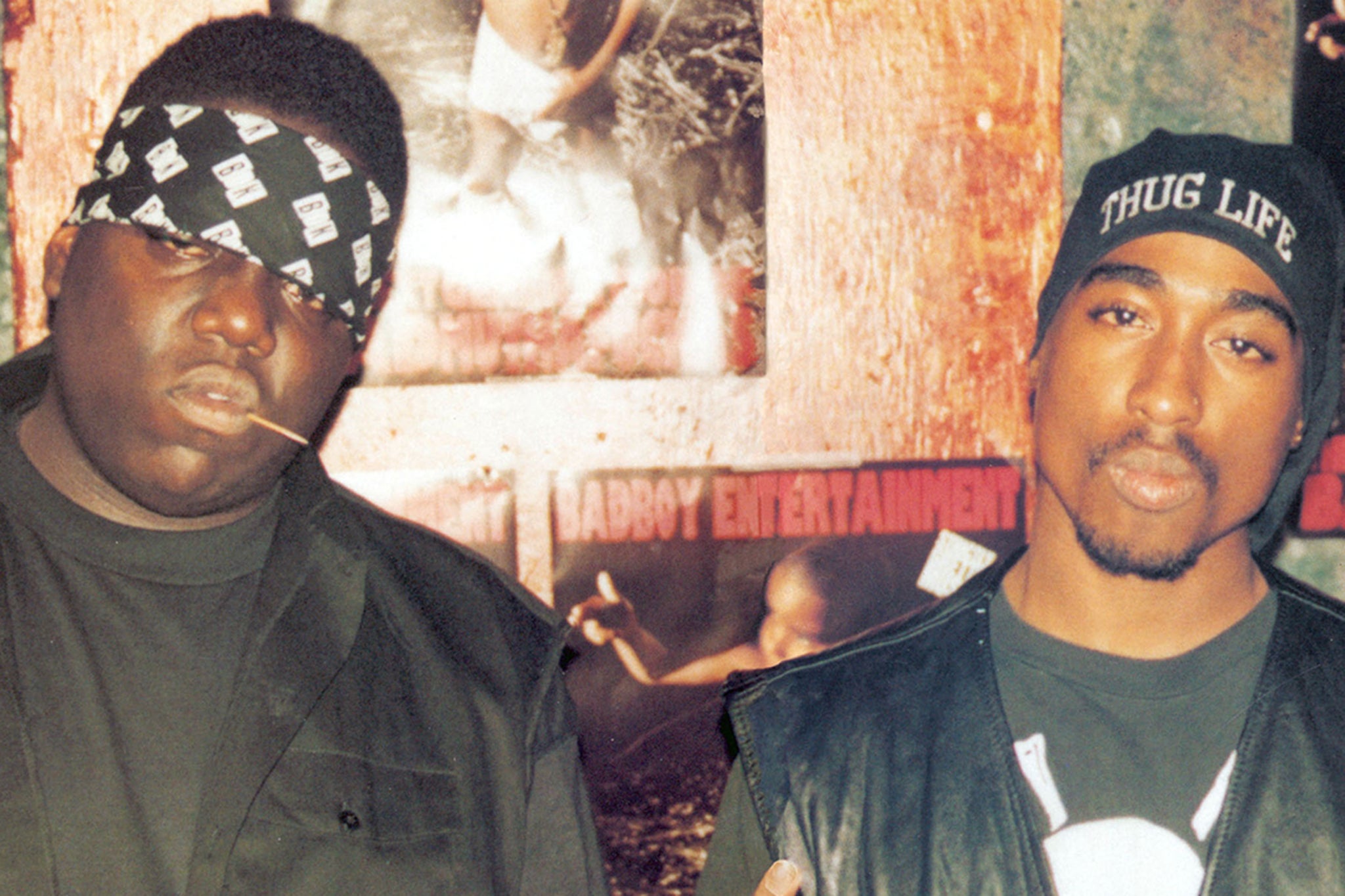
According to prosecutors, Davis was riding in the Cadillac with three other men, including his nephew, Orlando “Baby Lane” Anderson. Anderson denied involvement in the killing before he was fatally shot in an unrelated gang shooting in 1998. The other occupants have also died, leaving Davis as the only surviving person alleged to have been in the vehicle.
In his memoir, Davis wrote that he handed a handgun to someone in the back seat but did not identify who fired the fatal shots. During the 2008 police interview, Davis allegedly said Anderson “popped them,” referring to Shakur and Knight.

