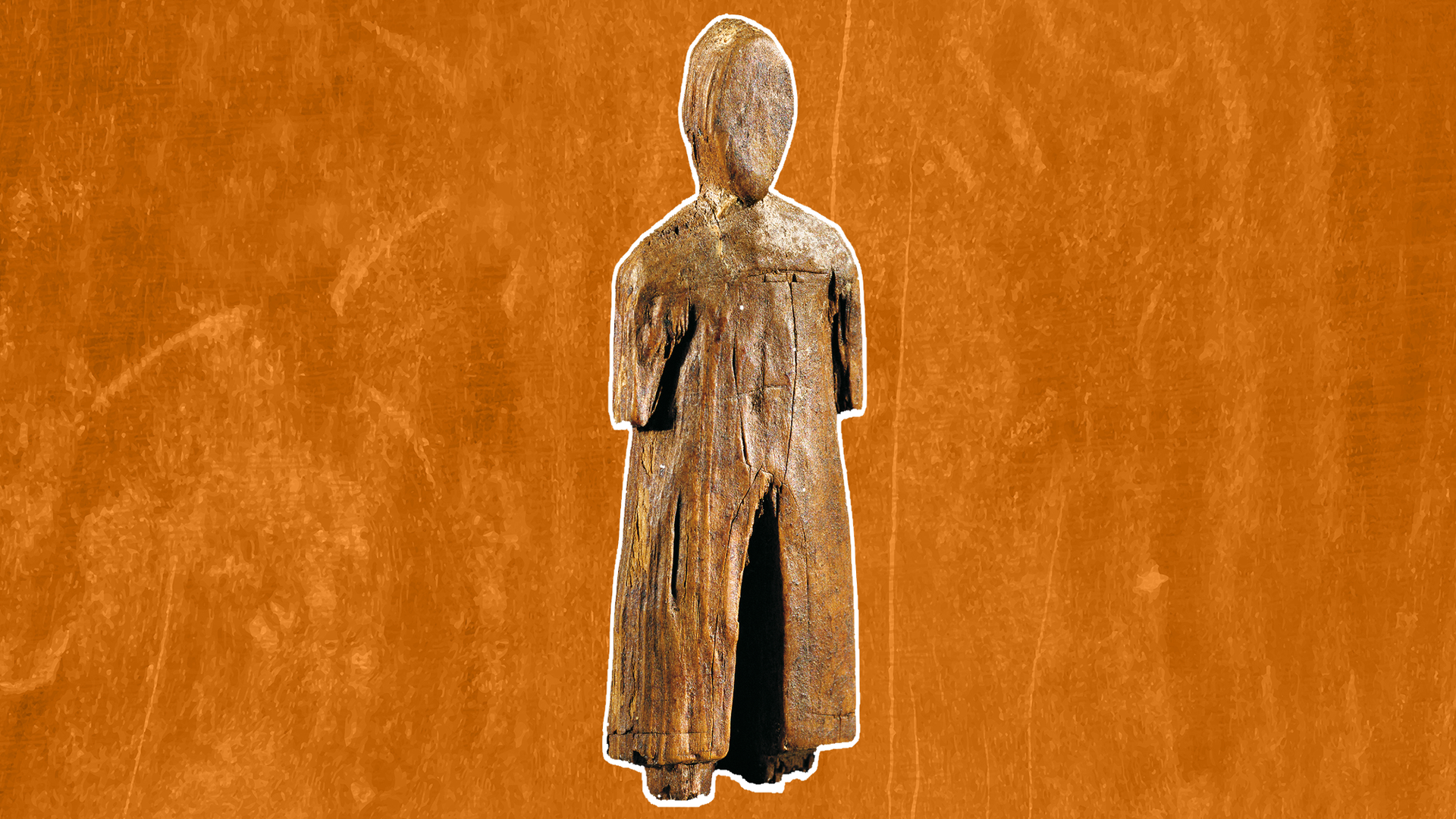
Канадын Баффины арлаас олдсон энэхүү ховор баримал нь Баруун хагас бөмбөрцөгт европ хүнийг дүрсэлсэн хамгийн эртний олдвор болж байна.
1977 онд Канадын хойд хэсэгт орших Баффины арлаас, Инуит үндэстний өвөг дээдсийн эртний суурингийн тууриас 5.4 см өндөр модон баримал олдсон байна. МЭ 1350 онд хамаарах энэхүү олдвор нь европ хувцас өмсөж, цээжиндээ загалмай зүүсэн хүнийг дүрсэлжээ. Одоогоор Канадын Түүхийн музейд хадгалагдаж буй уг олдвор нь тухайн үеийн Инуитчуудын урлалтай төстэй боловч европ хүнийг дүрсэлсэн гэдгээрээ онцлог юм.
Судлаачдын үзэж буйгаар уг баримал нь Гренландын Норвеги гаралтай христийн шашинтнуудыг дүрсэлсэн байх магадлалтай. Норвегийн домогт дурдсан “Хеллуланд” гэх газар нь Баффины арал байсан гэж үздэг бөгөөд МЭ 1000 оны орчимд Лейф Эрикссон тэргүүтэй Норвегийн аялагчид Хойд Америкт хөл тавьж байжээ.
Эртний Инуитчуудын суурингуудаас олдсон европ гаралтай эд зүйлс нь Норвегийн аялагчид Инуитчуудын өвөг дээдэс болох Туле соёл иргэншилтэй төмөр, даавуу болон далайн морины соёогоор худалдаа хийж байсныг нотолж байна. Энэхүү модон баримал нь тухайн үед хоёр соёл иргэншил хоорондоо уулзаж байсныг гэрчлэх чухал олдвор бөгөөд уугуул иргэдийн нүдээр харагдах дорнын зочдын дүр төрхийг харуулсан анхны баримт гэж судлаачид дүгнэжээ.
Дэлгэрэнгүйг эх сурвалжаас харах
↓Эх сурвалжийг нээх ↓
Name: Inuit figurine
What it is: A carved wood figurine
Where it is from: Baffin Island, Nunavut, Canada
When it was made: Circa 1350
This wooden figurine was discovered in 1977 in an early house built by the ancestors of the Inuit on Baffin Island in northern Canada. The unique carving represents a person wearing European clothing and a cross on their chest. Dated to 1350, the figurine is the earliest Indigenous representation of a European anywhere in the Western Hemisphere and probably depicts a Norseman.
The tiny driftwood carving, which is currently on display at the Canadian Museum of History, measures just 2.1 inches (5.4 centimeters) tall. According to the museum, the featureless face and stumpy arms are common in 14th-century Inuit carvings, but the depiction of a non-Inuit is unique.
The mysterious figure wears a long robe or tunic with a cross on the front — a garment that is similar to those worn in the 11th to 13th centuries by Norse Christians from Greenland. The Norse sagas mention a place called “Helluland,” which Leif Eriksson (also spelled Erikson) visited in the early 11th century and is most likely Baffin Island.
Around A.D. 1000, Norse explorers landed in what is now Newfoundland and set up camp at a site archaeologists call l’Anse aux Meadows. Wood buildings and remains from iron production are all that is left of the earliest European settlement in the Americas.
The Norse likely made multiple trips from Greenland to Canada over the centuries in order to trade metal and cloth with the Inuit’s ancestors, known as the Thule, and procure walrus ivory in return, as European-origin artifacts have been found in early Inuit houses on Baffin Island. But the Norse eventually abandoned their westward trade routes, possibly due to the resistance of the Indigenous people and the long distance.
This wooden figurine may commemorate a meeting between the Inuit and the Norse and is especially important because it was crafted long before sustained contact in the late 15th century, according to the museum. It is also the earliest evidence of the Indigenous perspective of visitors from the east, revealing which characteristics of the Norse the artisan observed and felt were important to depict.
For more stunning archaeological discoveries, check out our Astonishing Artifacts archives.
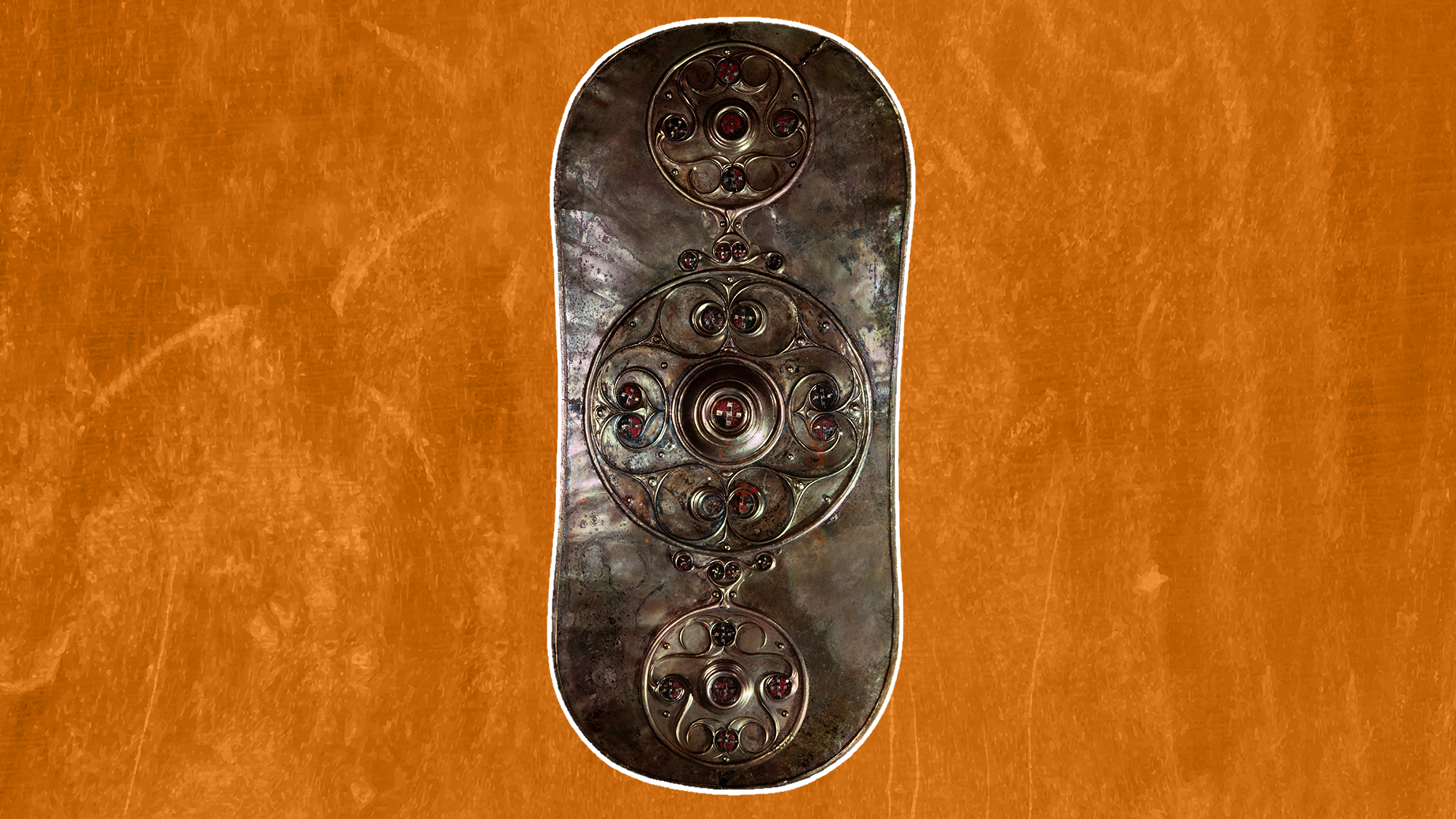
Battersea Shield
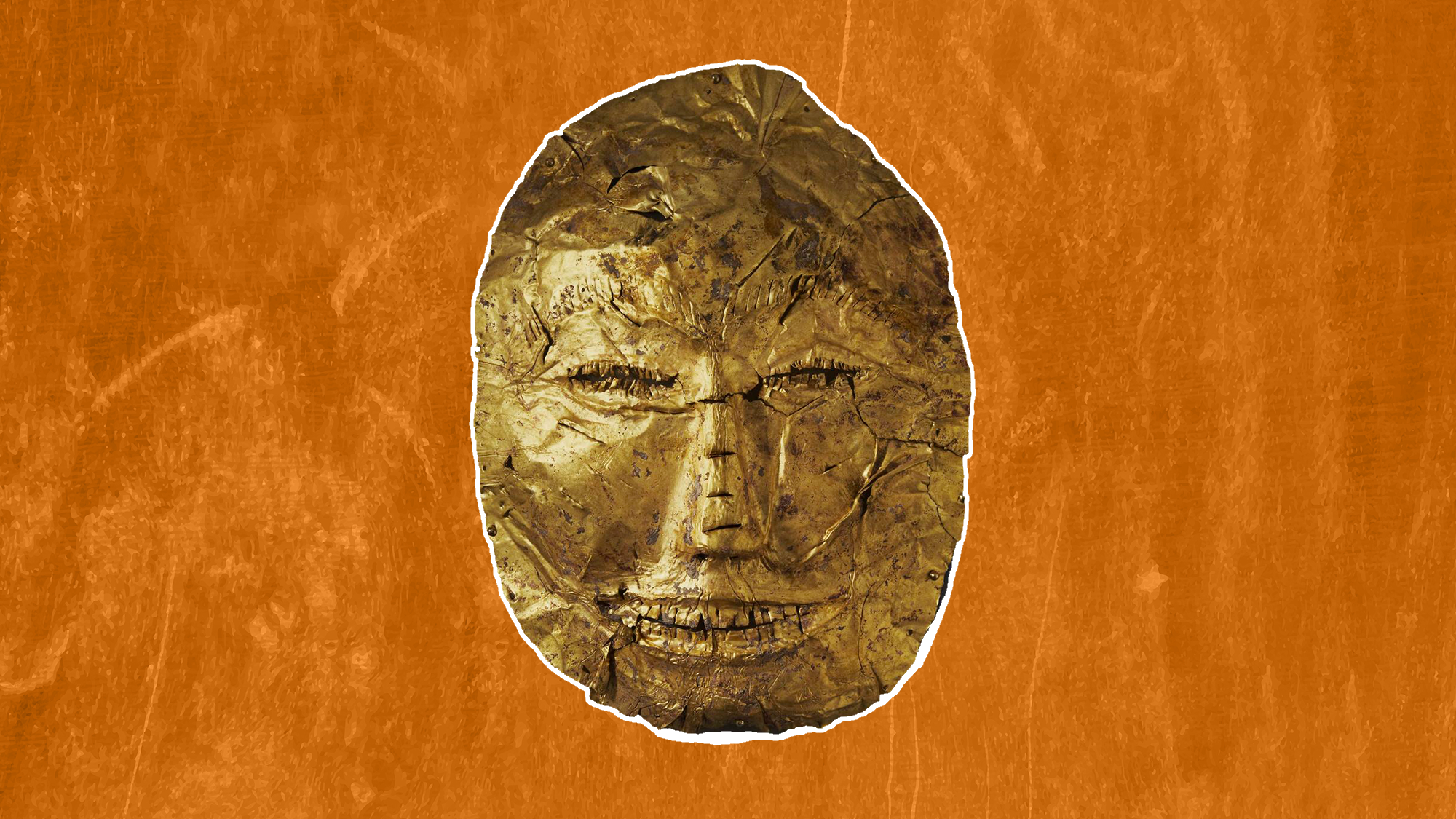
Java Mask
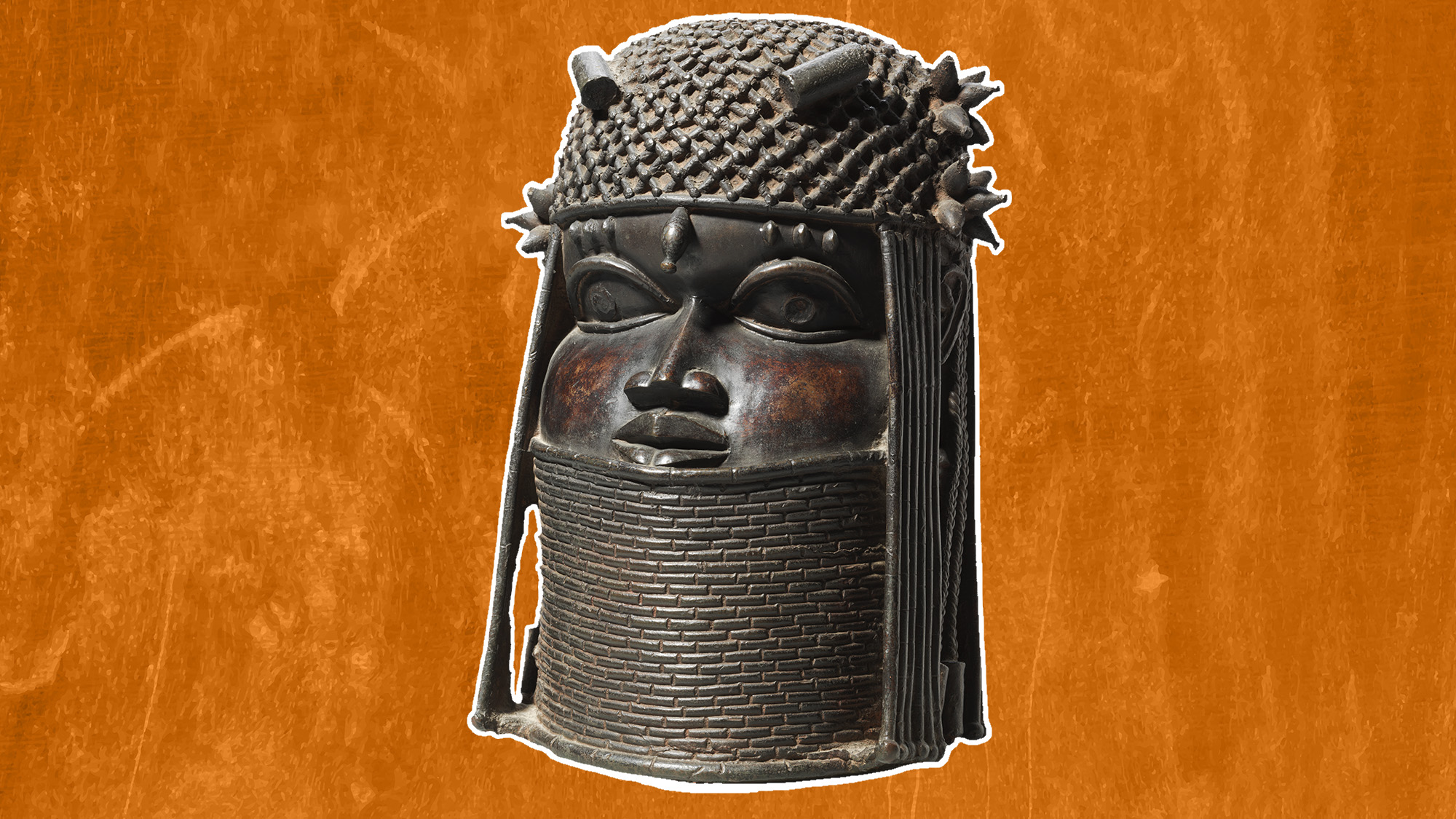
Benin Bronze
Can you put together last week’s Astonishing Artifact?

