Сүүлийн үеийн судалгаагаар уугуул иргэд Америк тивд 1492 оноос хавьгүй эртнээс амьдарч байсныг батлах археологийн олдворууд олджээ.
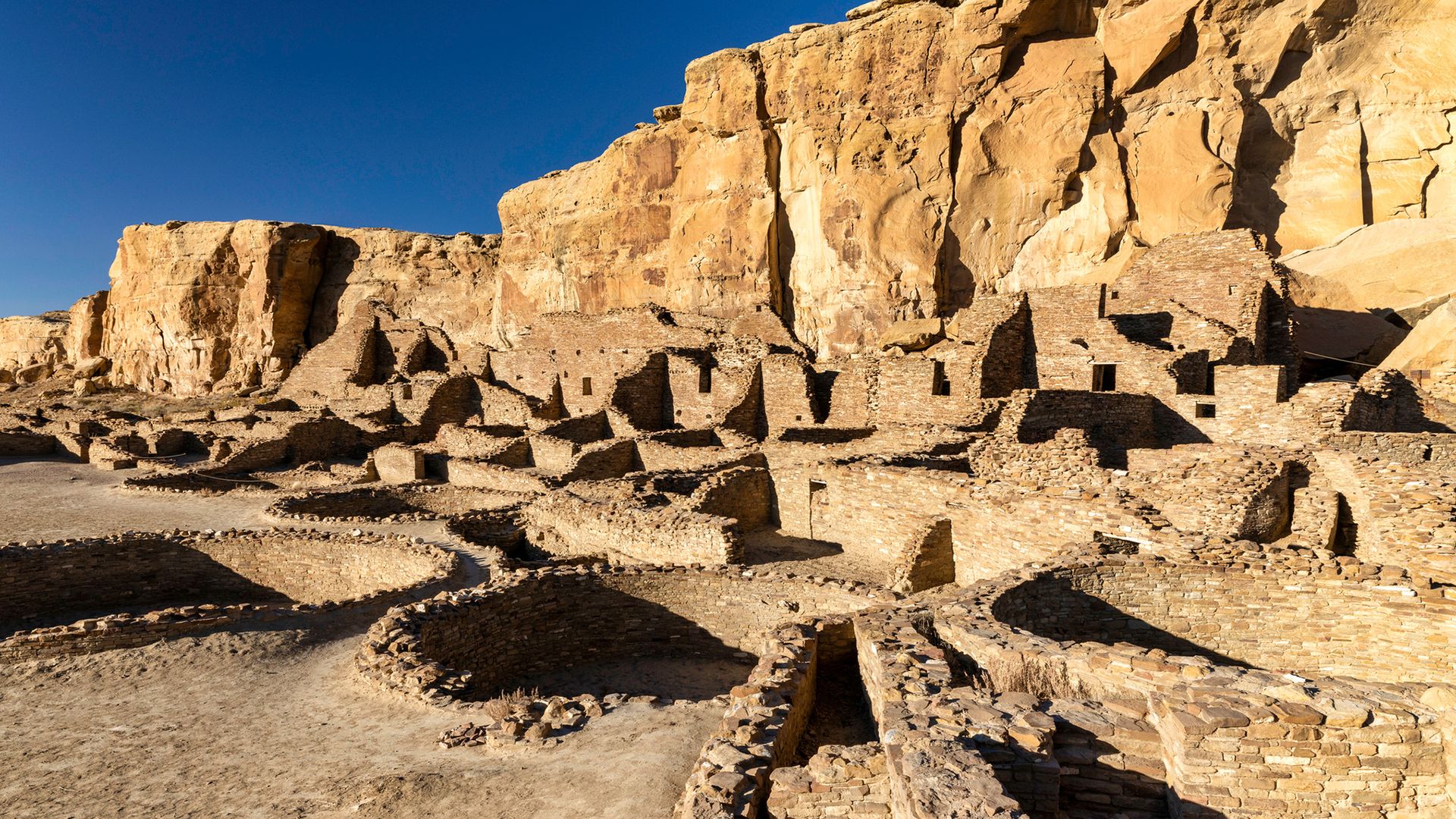
АНУ-ын нутаг дэвсгэрт орших эртний суурингууд нь Америк тивийн уугуул иргэдийн хөгжил, соёлын түүхийг гэрчилдэг. Үүний нэг болох Нью-Мексико дахь Чако Каньон нь МЭ 850-1250 оны хооронд Пуэблочуудын улс төр, шашны төв байв. Археологичид тэндээс 600 гаруй өрөөтэй чулуун цогцолбор болон алс холын бүс нутагтай худалдаа хийж байсныг батлах макау тоть, какао зэрэг олдворуудыг илрүүлжээ.
Иллинойс муж дахь Кахокия нь Мексикээс хойш орших уугуул иргэдийн хамгийн том суурин байсан бөгөөд МЭ 1100 оны орчимд 40 мянга хүртэлх хүн амтай байжээ. ЮНЕСКО-гийн дэлхийн өвийн жагсаалтад багтсан тус газарт 30 метр өндөр шороон дов болон нар, сарны хөдөлгөөнийг ажиглах зориулалттай модон байгууламжууд байдаг. Мөн Флоридагийн Маунд Кэй арлыг Калуса хүмүүс хясаагаар бүтээсэн нь эртний далайн эргийн соёл иргэншлийн гайхалтай жишээ юм.
Аляскийн Ситка хотод 1804 онд болсон Тлингит дайчид болон Оросын колоничлогчдын хоорондох түүхэн тулааны ул мөр хадгалагддаг. Харин Аризона дахь Уолнат Каньонд хадны хөндийд 1125-1250 оны хооронд баригдсан 80 гаруй орон сууц байдаг бөгөөд энэ нь тухайн үеийн иргэдийн усны нөөцийг ухаалгаар ашиглаж байсныг илтгэдэг. Колорадогийн Чимни Рок нь мөн л Пуэблочуудын одон орон судлалын төв байсан бөгөөд тэндэхийн хаднууд сарны эргэлтийн мөчлөгийг тодорхойлоход ашиглагдаж байжээ.
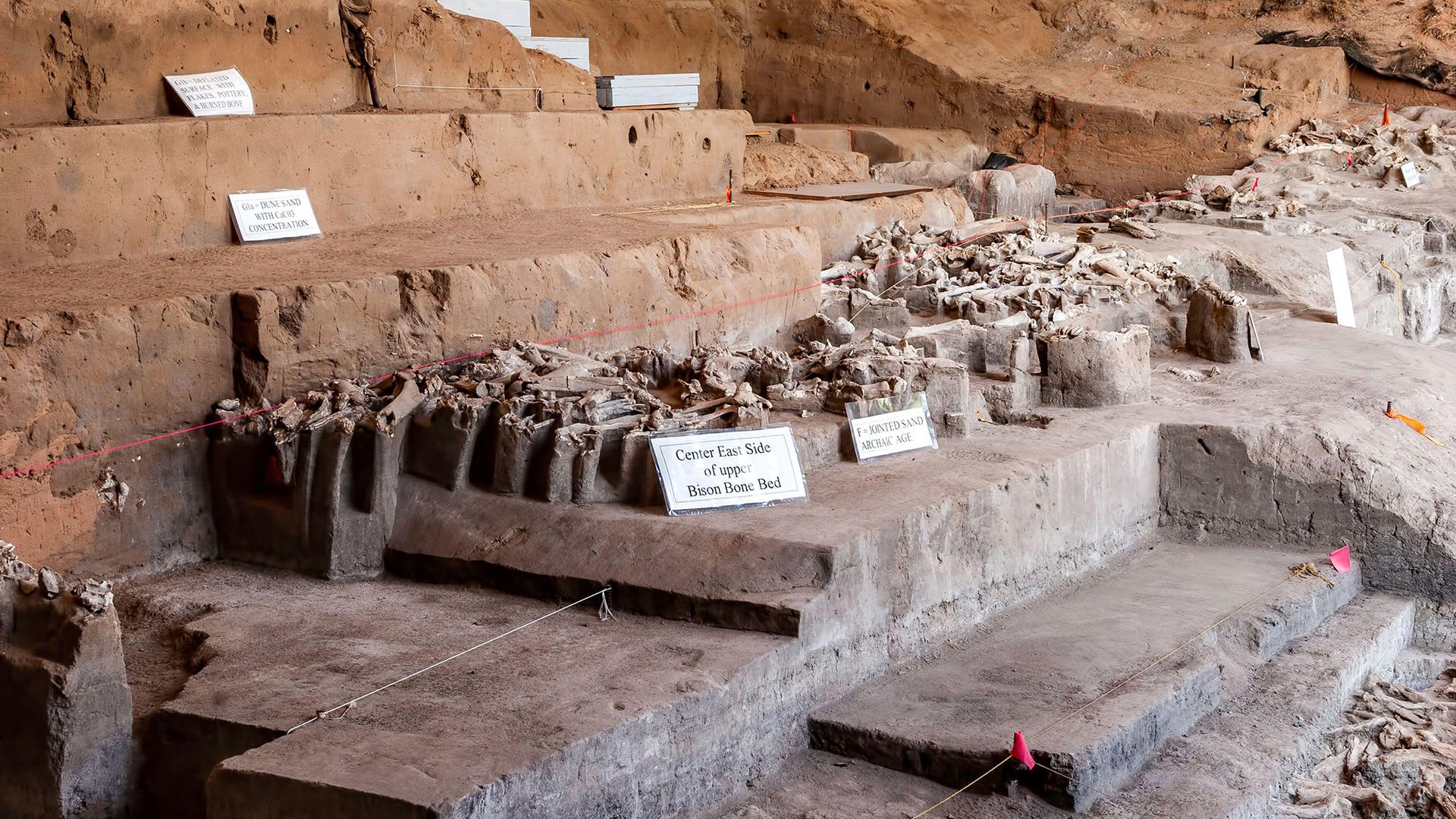
Нью-Мексикогийн Блэкуотер Дроу нь 13 мянган жилийн тэртээх Кловис соёлын гол нотолгоо болдог байсан ч сүүлийн үеийн олдворууд үүнийг үгүйсгэж байна. Тухайлбал, Уайт Сэндс үндэсний цэцэрлэгт хүрээлэнгээс олдсон хүний мөр нь Америк тивд 23 мянган жилийн өмнө хүн амьдарч байсныг баталж байгаа юм. Энэхүү баримт нь Америк тивийн анхны оршин суугчдын түүхийг илүү эртний үетэй холбон тайлбарлах боломжийг судлаачдад олгож байна.
Дэлгэрэнгүйг эх сурвалжаас харах
↓Эх сурвалжийг нээх ↓
The prehistory of Indigenous Americans goes back tens of thousands of years before the 1492 arrival of Christopher Columbus in the Bahamas, and recent scientific studies suggest prehistoric people were on the American continents a lot longer than many experts believed. For Indigenous Peoples Day, here are seven locations in the United States that outline the Native American story.
1. Chaco Canyon (New Mexico)
This centuries-old settlement, whose name may be a Spanish adaptation of an Indigenous word for the area, was the political and ceremonial center for the Ancestral Puebloan people from about A.D. 850 to 1250. At its heart is Pueblo Bonito (“Pretty Village”), a four-story stone complex with more than 600 rooms and 35 subterranean ceremonial chambers called kivas.
Experts estimate that builders hauled over 200,000 timber beams from distant mountains to construct these complexes, where the beams were used to strengthen buildings made mostly from sandstone blocks. The town once stood at the hub of a road network that spanned more than 400 miles (640 kilometers), and excavations of imported Mesoamerican macaws and cacao there confirm trade with distant regions.
2. Cahokia (Illinois)
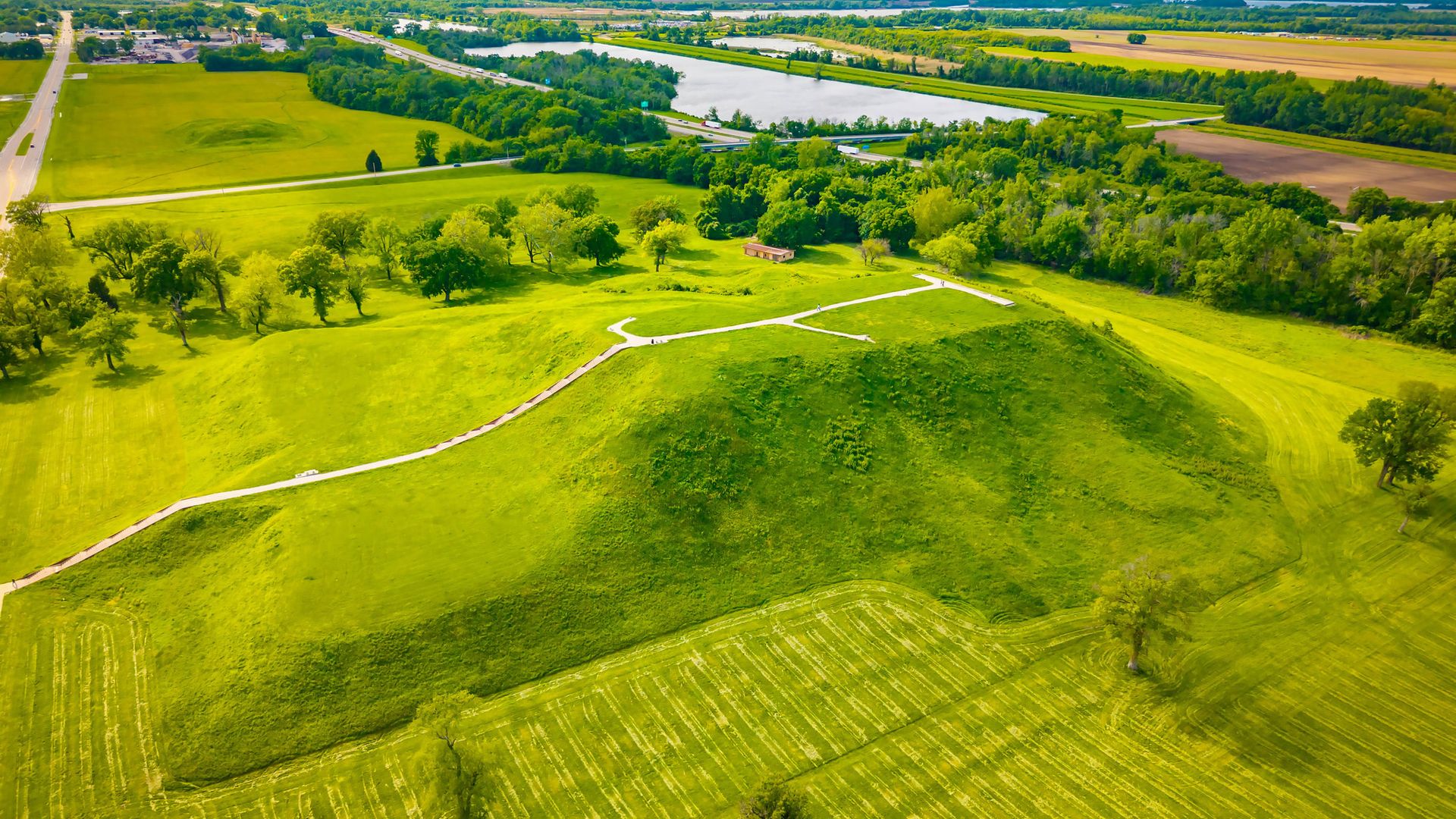
Cahokia was once the largest Indigenous American settlement north of Mexico and home to up to 40,000 people in A.D. 1100 — comparable in size to major cities in medieval Europe, historian Christoph Strobel, a specialist in Indigenous history at the University of Massachusetts Lowell, told Live Science. Residents there lived in houses made from “wattle and daub” — clay or mud plastered on a framework of sticks — in a town at the site, with large public plazas, wooden palisades and dozens of ceremonial earthen mounds. Indigenous people even transported a 5-ton (4.5 metric ton) tree from more than 110 miles (180 kilometers) away, and then turned it into a marker known as the Mitchell Log.
Archaeological studies indicate that many people from distant places also visited, perhaps to take part in ceremonies. The location is now a UNESCO World Heritage site and features Monks Mound, a 100-foot-tall (30 meters) terraced earthwork, as well as the reconstruction of a “woodhenge” of timber circles that tracks solstices and equinoxes. Strobel thinks Cahokia may be the most significant pre-Columbian location in the United States. “It’s an incredibly important site,” he said.
3. Mound Key (Estero Bay, Florida)
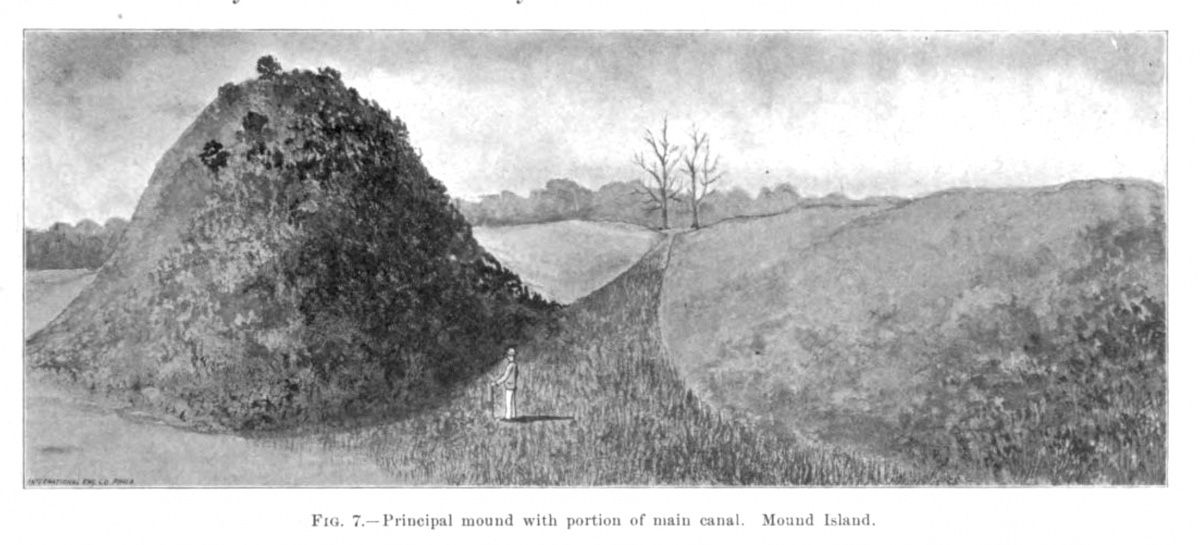
Mound Key is the largest of several islands made of piles of shells around Estero Bay. Long ago, it seems to have been two small islands created by mangroves, but centuries of feasting on shellfish by Indigenous Americans transformed it into two artificial mounds of shells covered with vegetation. In some places, the mounds extend more than 30 feet (9 m) above the water; it is so large now that it is split in two only at high tide. Mound Key itself is estimated to consist of several millions of shells, mostly from oysters.
Before Europeans arrived here in the 16th century, this shell island was called Calos by the Calusa people who lived there and developed it into a thriving maritime city.
4. Sitka (Alaska)
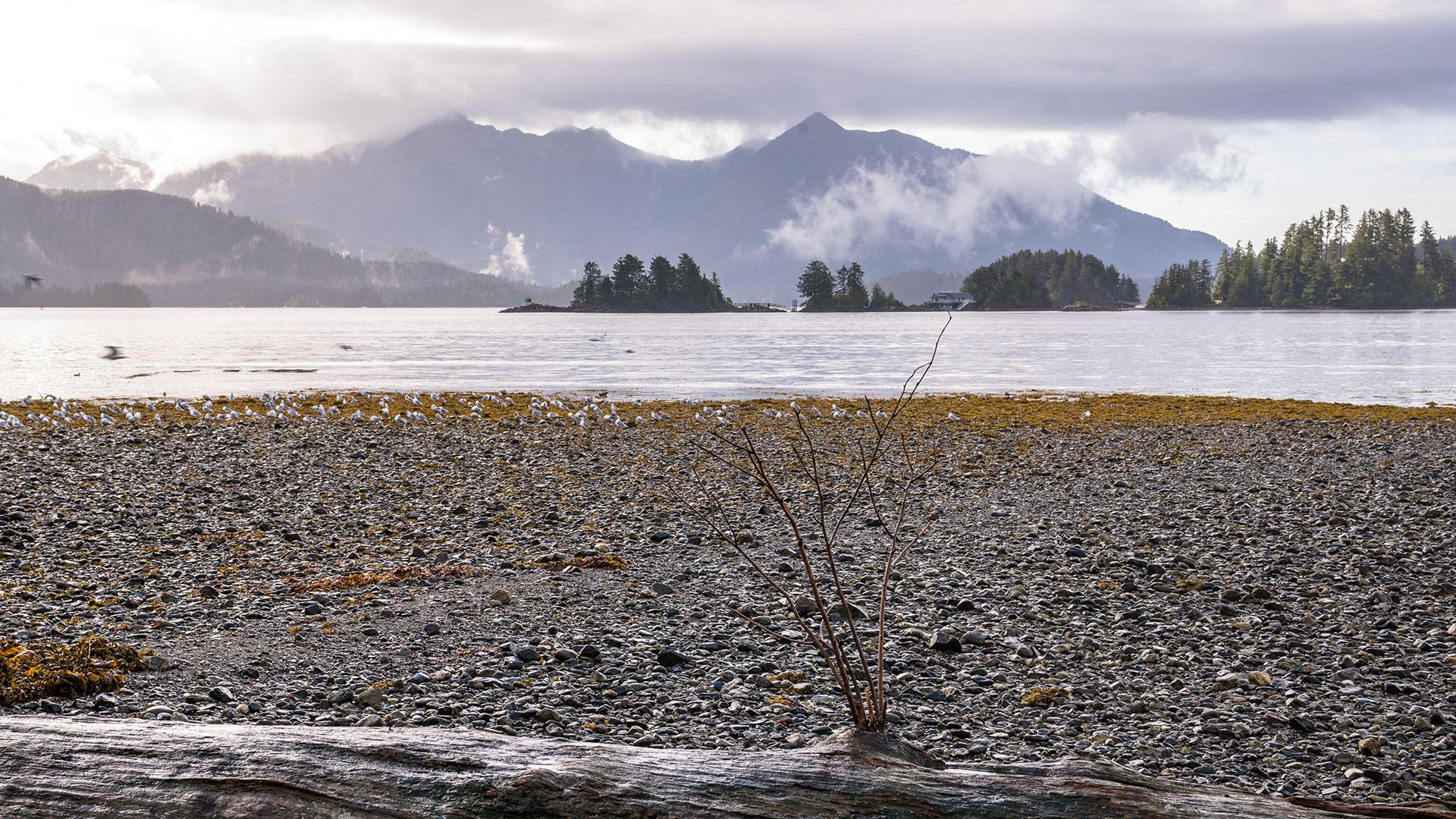
Sitka National Historical Park preserves the battlefield of the 1804 Battle of Sitka, which was fought between Tlingit warriors and colonial Russian troops and was the last major armed conflict between Europeans and people native to Alaska. At that time, Russia claimed to own Alaska (they sold it to the United States in 1867). The battle was sparked when Russian fur traders encroached on tribal territory by building a fort at Sitka in 1802, but the Tlingit destroyed the enemy fort and expelled the Russians.
They then built their own fort to withstand the expected Russian counterattack, but they were forced to abandon it when they were bombarded by Russian ships in 1804. The dispute continued for several decades and was only fully resolved when the United States purchased Alaska.
5. Walnut Canyon (Arizona)
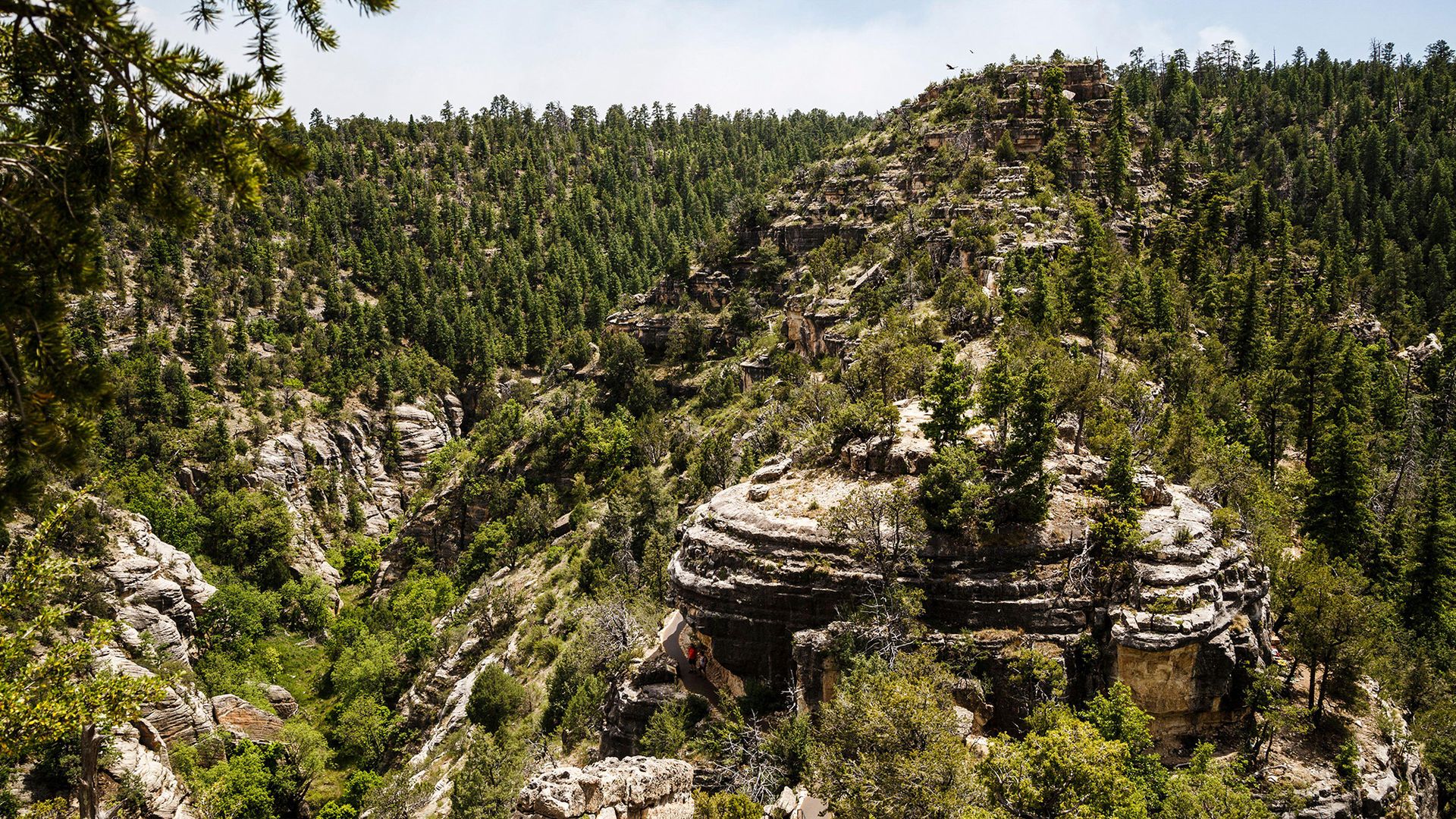
This site preserves more than 80 cliff dwellings built by the Northern Sinagua people between A.D. 1125 and 1250. People can reach the site by following a walking trail through a deep limestone and sandstone gorge about 10 miles (16 km) southeast of Flagstaff. The cliff dwellings were constructed inside natural caves in the limestone, which gave them insulation against cold and heat, while their location high above the canyon floor was defensive.
Strobel said Walnut Canyon is a lesser-known site but a remarkable example of Indigenous Americans overcoming relatively dry conditions by carefully managing water. The inhabitants of the caves farmed crops on the flat land along the canyon rim but took water from the river at the bottom of the canyon to fill cisterns.
6. Chimney Rock (Colorado)
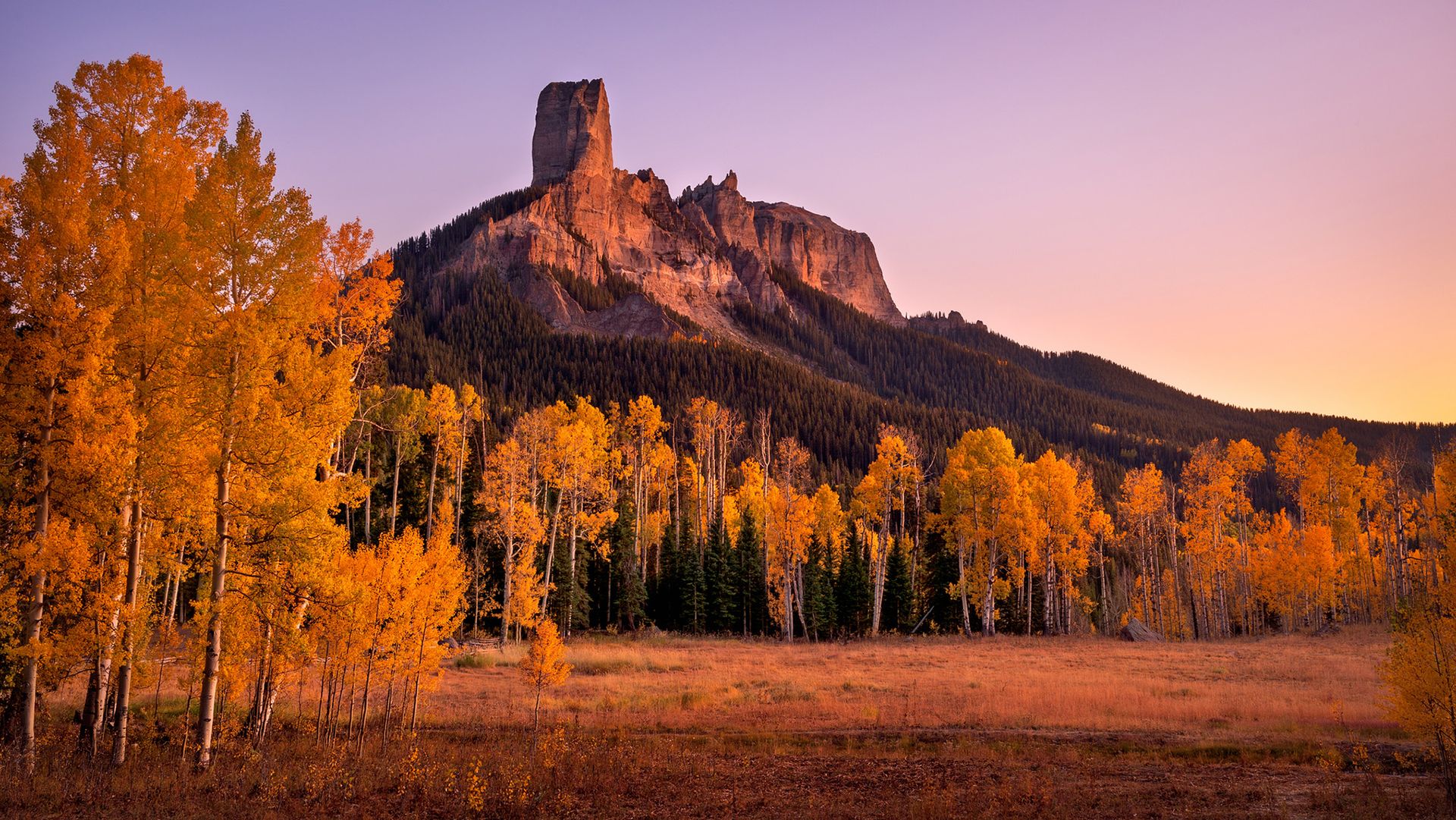
Chimney Rock is a single feature within a large forest that contains more than 80 archaeological sites of the Ancestral Puebloan people. The rock itself is one of two natural spires (the other is named “Companion Rock”) that were used roughly 1,000 years ago to mark the position of a “lunar standstill” every 18.6 years — a key astronomical observance among Indigenous Americans, Strobel said.
A multiroom “Great House” made of sandstone, clay and timber — in exactly the style of Chaco Canyon, about 100 miles (160 km) to the south — stood on a ridge near the rock spires, with sweeping views of the surrounding territory. Archaeologists think the Chimney Rock settlements made up a regional ceremonial center, with common people in the lower valley supporting elites who lived on the ridge and watched the skies.
7. Blackwater Draw (New Mexico)
- ‘It’s a portrait of their actual ancestor’: Facial reconstruction of Indigenous man who lived in Ecuador 3,000 years ago shared with his descendants
- DNA study of nearly 200 Indigenous genomes reveals unknown Asian ‘ghost’ population contributed to American ancestry
- DNA study of nearly 200 Indigenous genomes reveals unknown Asian ‘ghost’ population contributed to American ancestry
Blackwater Draw is the main archaeological site with evidence of the Clovis culture, which was once thought to be the oldest Indigenous culture in the Americas. The Clovis people (named after the nearby town of Clovis) lived there about 13,000 years ago, and archaeologists have found evidence of the stone and bone tools they used and the animals they hunted, including mammoths and dire wolves. The first evidence of the Clovis people was found nearby in 1929, and at Blackwater Draw itself in 1932.
However, later archaeological finds predate this evidence, and the discovery of footprints at White Sands National Park in New Mexico now seems to confirm that there were humans in this region up to 23,000 years ago, long before the Clovis people.
How much do you know about the first people to reach the Americas? Find out with our First Americans quiz!

