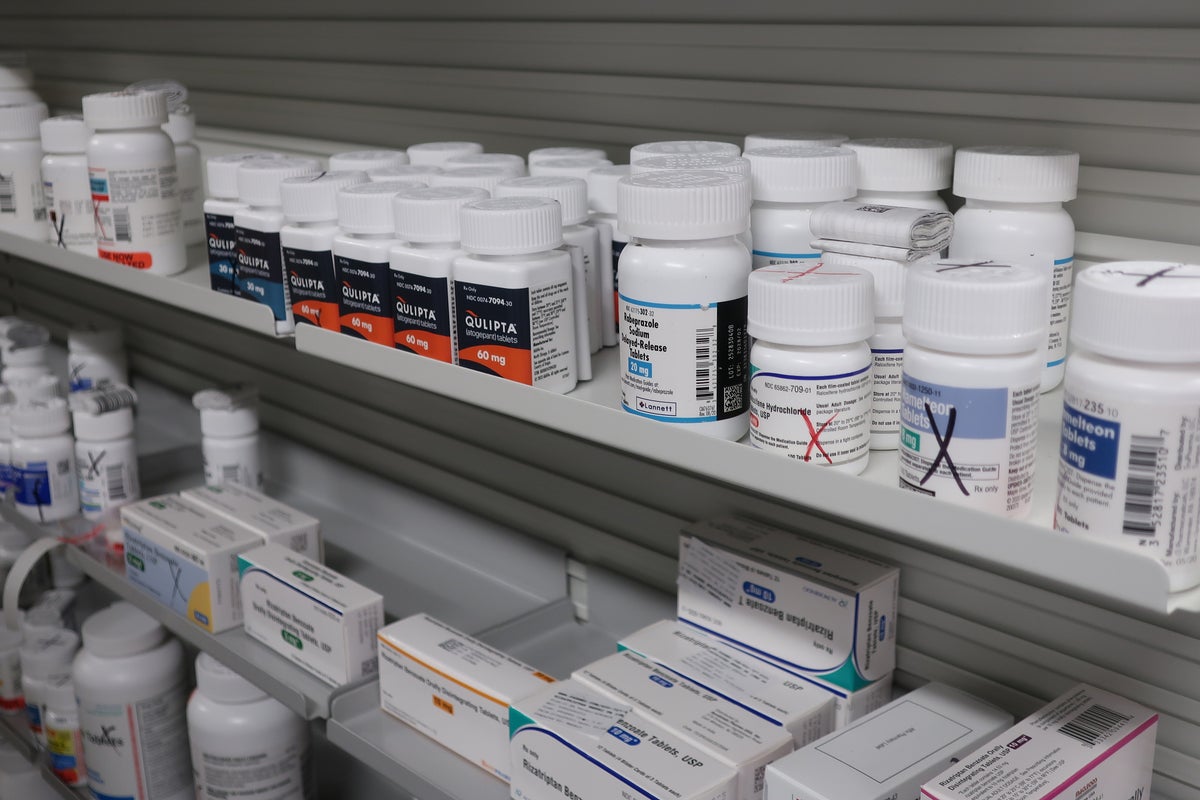
АНУ-ын Засгийн газар Medicare-ийн жороор олгох эмийн зардлыг бууруулах түр хугацааны татаасыг зогсоосноор 2027 оноос эхлэн ахмад настнуудын эрүүл мэндийн даатгалын төлбөр нэмэгдэх төлөвтэй байна.
Доктор Мехмет Озоор удирдуулсан Эрүүл мэндийн үйлчилгээний төв (CMS) Medicare Part D хөтөлбөрийн хүрээнд олгодог татаасыг он дуустал олгоод зогсоохоо мэдэгдэв. Тус байгууллага нь эмийн санхүүжилтийн загварыг шинэчилсэнтэй холбогдуулан ийм шийдвэр гаргасан гэж тайлбарласан бөгөөд энэхүү татаас нь жилд дунджаар 3.6 тэрбум ам.долларын өртөгтэй байжээ.
Энэхүү өөрчлөлт нь 25 сая орчим хүнд нөлөөлөх бөгөөд сарын хураамж 20 ам.доллароор нэмэгдэж болзошгүйг KFF байгууллагаас анхааруулсан байна. Засаг захиргааны албаны эх сурвалжийн мэдээлснээр, даатгуулагчдын тал орчим хувьд нь эмийн зардал болон сарын хураамж өсөх эрсдэлтэй байгаа аж.
Даатгалын компаниуд уг шийдвэрийн үр дагаврыг судалж байгаа бөгөөд 2027 оны үнийн саналыг есдүгээр сард зарлах юм. Энэхүү алхам нь АНУ-ын Ерөнхийлөгч Дональд Трампын нэр хүндэд сөрөг нөлөө үзүүлж болзошгүй байна. Санал асуулгын дүнгээс үзэхэд ахмад настнуудын дунд Ерөнхийлөгчийн үйл ажиллагааг дэмжих хандлага буурч байгаа нь улс төрийн хувьд хүндрэлтэй цаг үетэй давхцаж байна.
Дэлгэрэнгүйг эх сурвалжаас харах
↓Эх сурвалжийг нээх ↓
The Trump administration has announced it will end a temporary subsidy that reduced monthly Medicare premiums by an average of $16, meaning costs are likely to rise for older Americans from 2027.
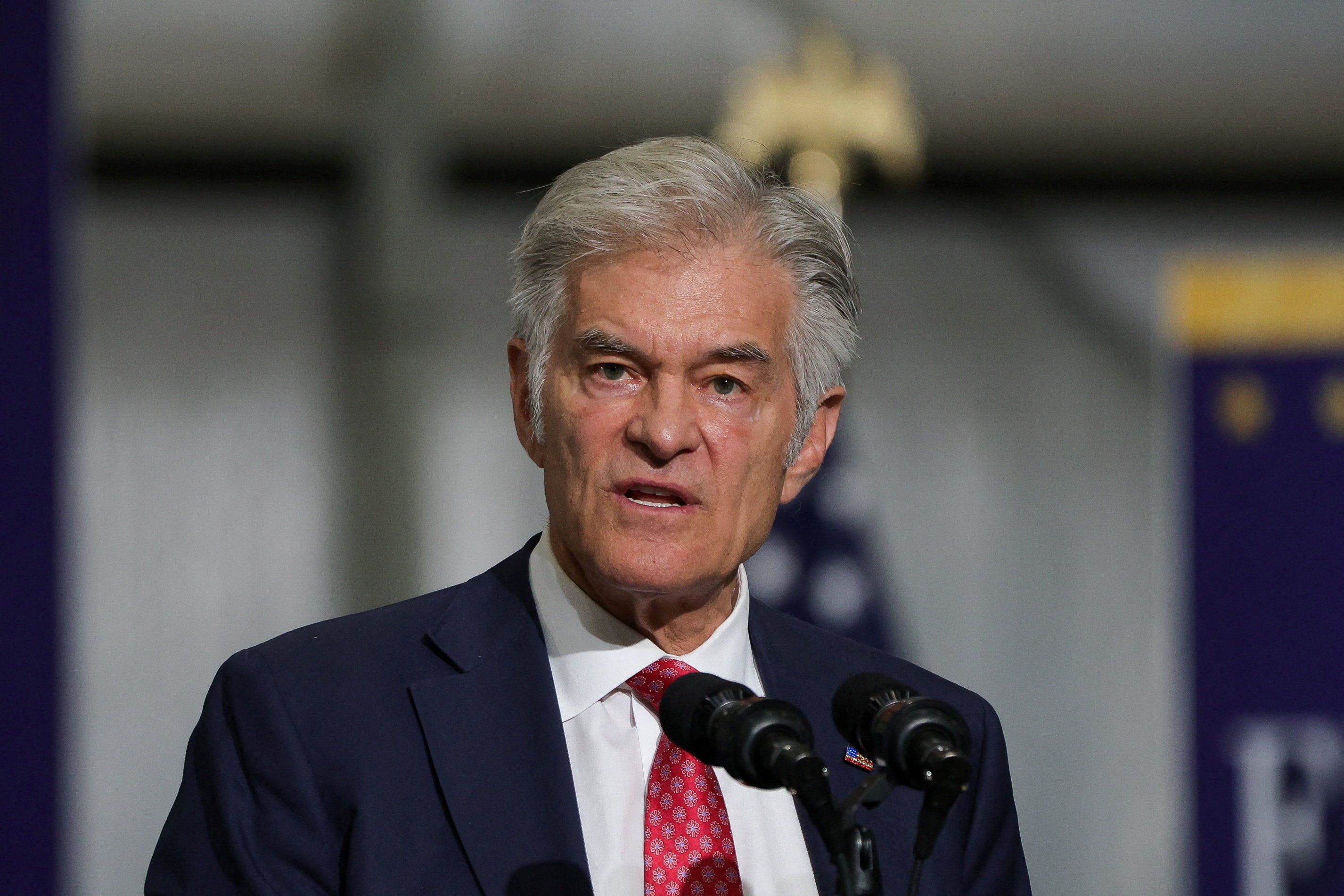
The Centers for Medicare and Medicaid Services (CMS), run by Dr Mehmet Oz, announced it will allow Medicare Part D – the government health insurance program’s prescription drug offering, used by tens of millions of older or disabled beneficiaries – to expire at the end of the year.
CMS said it was curtailing the subsidy, which was first introduced as a price stabilizing measure in response to changes made to the benefits, because “plan sponsors had sufficient experience under the redesigned Part D benefit to support their assumptions in developing the prescription drug plan bids.”
According to KFF, the nonpartisan health policy organization, the subsidy cost the U.S. government an estimated $3.6 billion annually, benefiting around 25 million people enrolled with the drug coverage plan.
The average monthly Part D premium was priced at $34.50 this year, according to the National Council on Aging, which is already four times higher than the $8 average people pay under the privatized version of Medicare, known as Medicare Advantage.
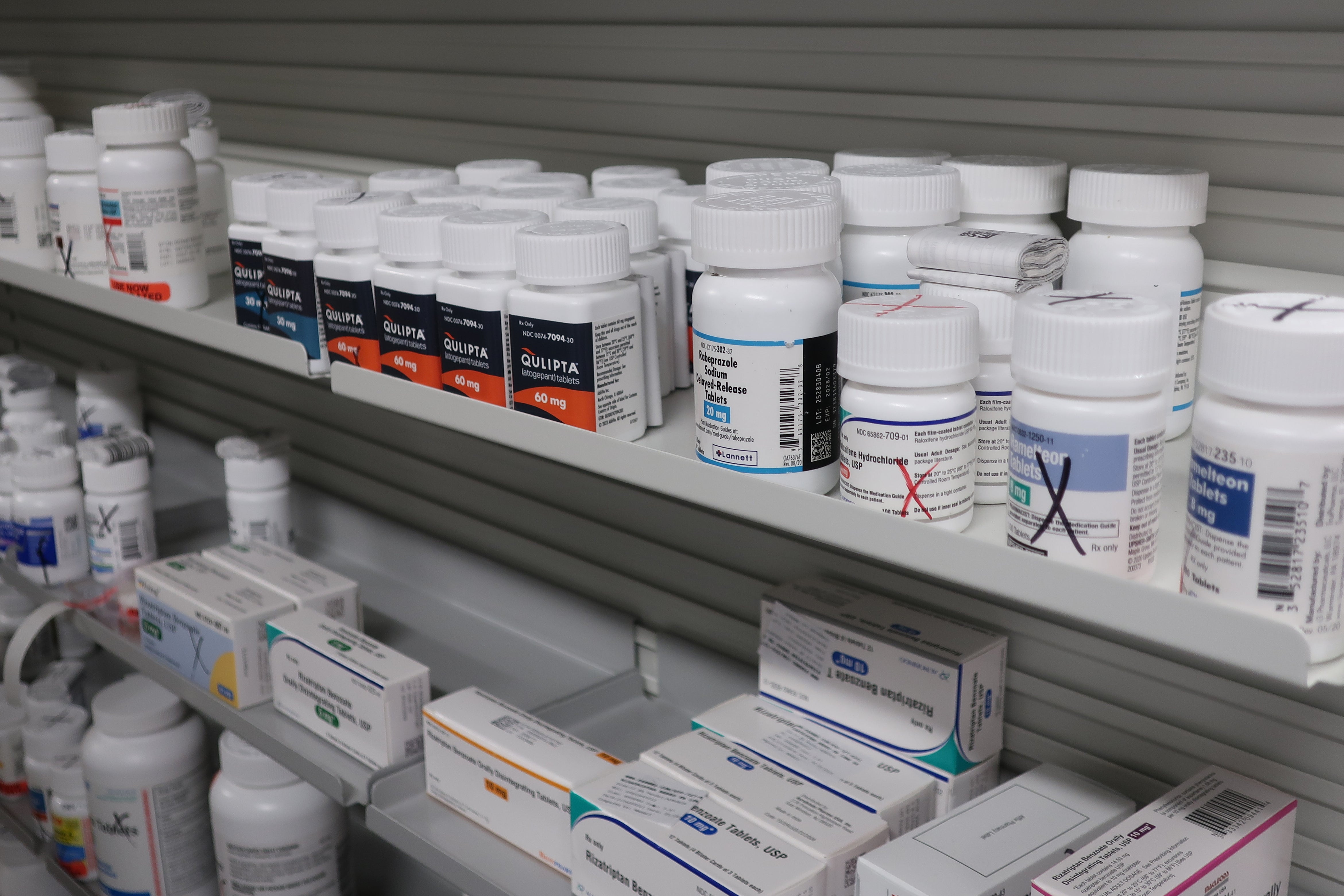
It is not yet clear how much premiums could rise by or whether all Medicare beneficiaries will be impacted by the loss of the subsidy, but an unnamed administration official told ABC News that the decision will likely mean higher prescription costs and increased monthly rates for around half of recipients.
KFF has indicated that some premiums could go up by as much as $20 a month.
Juliette Cubanski, director of the organization’s program on Medicare policy, told The Washington Post: “It’s certainly possible that without this enhanced financial support in place for 2027, some Medicare beneficiaries enrolled in [Part D plans] could face relatively steep premium increases for drug coverage next year.”
She added that the prospect of higher rates could accelerate the takeup of privatized plans instead.
Insurance companies said they were first notified about the curtailment late Tuesday and are studying its impact before Part D pricing for 2027 is announced in September.
Chris Bond, a spokesman for the insurance industry trade group AHIP, said his organization was “closely reviewing” the cut.
“At a time of sharply rising prescription drug costs, health plans are focused on keeping Part D coverage and benefits as affordable as possible for seniors,” he said.
UnitedHealthcare spokesman Eric Hausman said: “We are committed to working with CMS, ensuring seniors have access to affordable prescription medicines.”
The news of a potential rise in insurance premiums, following the expiration of Affordable Care Act subsidies, may have arrived at a particularly inopportune moment for President Donald Trump.
The Republican is said to be haemorrhaging support ahead of November’s midterms, even among previously dependable demographics, including older Americans.
A new poll published this week by The Economist and YouGov found that 63 percent of citizens in the 45-64 age bracket now disapprove of his performance in the White House, causing his net approval rating with that group to plummet from +15 at the start of his second term to -29.
Among people aged 65 and over, the president is languishing at -15.

