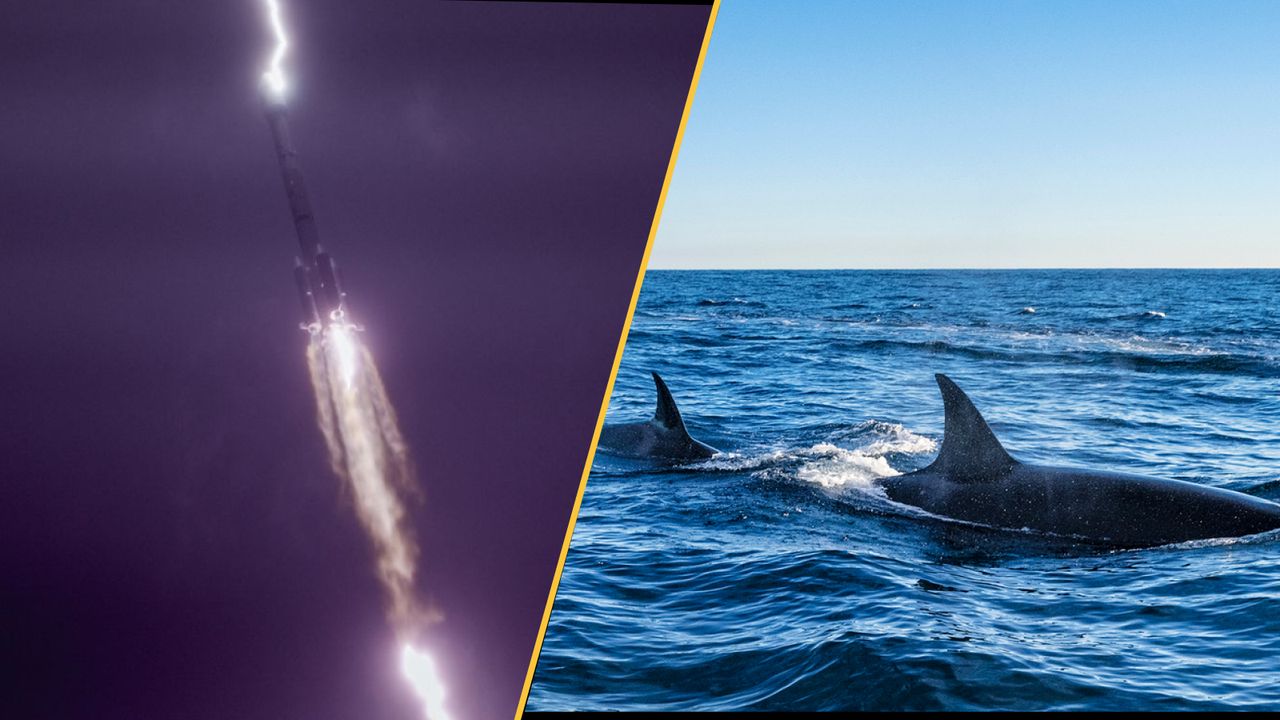
Далайн биологийн салбарт хийсэн шинэ судалгаанууд амьтдын далд амьдралын талаарх мэдлэгийг тэлж байна. Тухайлбал, эрдэмтэд халим загасны сэлүүрт анх удаа камер байрлуулж, тэдний нууцлаг зан төлөвийг баримтжуулсан бол Алабама мужид Дэлхийн хоёрдугаар дайны үеийн химийн зэвсгийн байгууламжийн доороос “чөтгөр загас” хэмээн нэрлэгдсэн агуйн загасны шинэ зүйлийг олж илрүүлжээ. Мөн Испанийн эрэг орчимд явагдаж буй ялгуусан халим буюу орка загасны түрэмгий зан төлөв болон дрон ашиглан бөгтөр халимны төрөлтийг анх удаа дүрсэнд буулгасан зэрэг нь амьтны ертөнцийн судалгаанд чухал ач холбогдолтой үйл явдал боллоо.
Үүний зэрэгцээ, муурны сахлын үүрэг болон тэдний хөлөн дээр байрлах жижиг үснүүдийн биологийн ач холбогдлын талаарх судалгаа үргэлжилж байна. Мөн Бразилийн Амазоны ширэнгэн ойд лазер сканнердах технологи ашиглан 2500 жилийн тэртээх нууцлаг соёл иргэншлийн бүтээсэн олон зуун геоглиф буюу газрын зураг бүхий байгууламжуудыг илрүүлсэн нь археологийн томоохон нээлт боллоо.
Эрдэмтэд мөн стресс болон гэмтлийн улмаас үүсдэг архаг үрэвсэл нь хүний биеэс гарах мэдрэмж буюу “out-of-body” үзэгдлийг өдөөж болзошгүйг тогтоожээ. Шинжлэх ухааны эдгээр олон талт нээлтүүд нь биологийн олон янз байдал болон хүний бие махбодын нууцыг тайлахад чухал хувь нэмэр оруулж байна.
Дэлгэрэнгүйг эх сурвалжаас харах
↓Эх сурвалжийг нээх ↓
Happy Shark Week, science fans! To mark the occasion, we had a flurry of fishy features this week, including a first look at the secret lives of whale sharks, as seen from cameras on the animals’ fins, and the discovery of a “demon cavefish” beneath a World War II chemical weapons facility in Alabama.
This week, we also saw the first drone footage of the birth of a humpback whale.
Meanwhile, off the coast of Spain, the orcas are at it again, sinking yet another ship along the Iberian coast. And speaking of boats, as cargo ships continue to stall near the Strait of Hormuz, scientists have warned of an imminent biological “superspreader” event once the key shipping route reopens.
We also have an update of our own: Live Science has launched Live Science Pro, a paid membership that gives you access to our exclusive features, analyses, interviews, book excerpts and opinion pieces, all without ads And to celebrate, we’re offering an introductory price of only $3 for the first three months! You can subscribe here.
Earth registers coldest temperature
Antarctica just experienced minus 119 F, Earth’s coldest temperature since 2012 — here’s why
While the Northern Hemisphere battled heat waves and wildfires, Antarctica just experienced the lowest temperature recorded on Earth in over a decade. High-altitude research station Concordia, located in the icy continent’s interior, logged a low of minus 119.4 degrees Fahrenheit (minus 84.1 degrees Celsius) on July 18, just shy of the coldest temperature ever recorded at the station.
“Even here, where extreme cold is expected, temperatures below minus 84 C are remarkable and highlight how variable Antarctic weather can still be,” Gabriele Carugati, the station leader at Concordia for Italy’s National Antarctic Research Program, told Live Science from the station.
Discover more planet Earth news
Life’s Little Mysteries
Why do cats have ‘leg whiskers’?

Cats are known for having whiskers on their faces. But if you look closely, you’ll see they also have them on their legs. So what are these leg whiskers for? And how do they differ from the ones on their face?
—If you enjoyed this, sign up for our Life’s Little Mysteries newsletter
Geoglyphs from lost Amazonian civilization
Lasers reveal hundreds of geoglyphs made by a mysterious civilization in the Amazon rainforest thousands of years ago
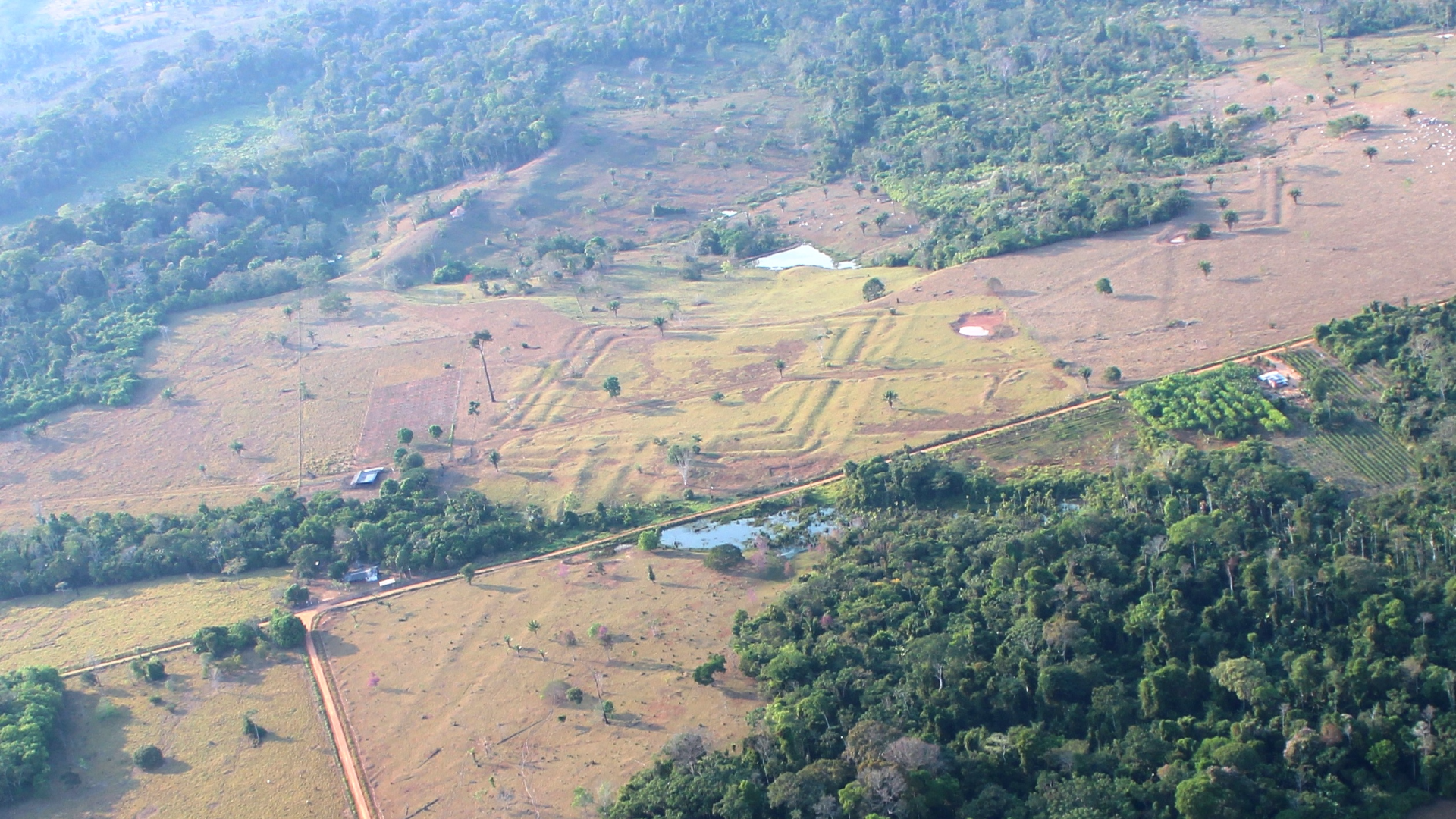
A significant portion of the Amazon rainforest remains unexplored, and even from above, it’s almost impossible to see through the trees’ thick canopies to find out what lies beneath. However, thanks to modern laser scanning technology, scientists have peered through this wall of leaves — and what they’ve found may offer new insight into lost human civilizations.
A new lidar survey has revealed hundreds of earthworks made by the Aquiry people, who arose 2,500 years ago in Brazil. So what can these structures teach us about this mysterious lost civilization?
Discover more archaeology news
—Archaeologists find 2,800-year-old burial of person clutching sea turtle vessel in El Salvador
Also in science news this week
—A unique antibody system may help explain bats’ unusual tolerance of viruses
—Scientists may have found a clue to prevent muscles from aging, study hints
—A strange string of a dozen galaxies keeps surprising astronomers with its missing dark matter
—Scientists discover 2 new ‘ghost’ lineages that contributed DNA to modern humans
Science Spotlight
Inflammation may trigger persistent ‘out-of-body’ experiences, emerging research hints

We’re increasingly learning about the role of chronic inflammation in a range of diseases, from autoimmune conditions like rheumatoid arthritis to neurodegenerative diseases like Alzheimer’s. However, scientists may have now added a new surprising side effect to this immune response: “out-of-body” experiences.
It’s been known for a while that trauma can trigger altered states of consciousness, but exactly what was causing this psychiatric response was unclear. Now, scientists have found that stress triggered by trauma may dial up chronic inflammation, which could, in turn, trigger these dissociative disorders.
Something for the weekend
If you’re looking for things to keep you busy over the weekend, here’s a selection from our best interviews, explainers, skywatching guides and crosswords that we published this week.
—America’s gun violence epidemic, through the eyes of a Chicago trauma surgeon [Interview]
—‘World models’ are the future of AI, but how do they work? [Explainer]
—Which solar eclipse viewing method is right for you? [Skywatching]
—Live Science crossword puzzle #54: Egyptian pharaoh who died at 18 — 6 down [Crossword]
Science in motion
Chinese rocket hit by rare midair lightning strike moments after launch as onlookers gasp in horror

It’s like something from a movie: Seconds after China’s Long March 3B rocket launched on July 23, the spacecraft was struck by lightning. Hundreds of spectators watched in shock as at least 100 million volts of electricity hit the craft and surged around its fuselage and through its exhaust plume, before shooting down to Earth.
Despite the strike, the uncrewed rocket safely reached space and successfully deployed its payload into orbit.
Follow Live Science on social media
Want more science news? Follow our Live Science WhatsApp Channel for the latest discoveries as they happen. It’s the best way to get our expert reporting on the go, but if you don’t use WhatsApp we’re also on Facebook, X (formerly Twitter), Flipboard, Instagram, TikTok, Bluesky and LinkedIn.

