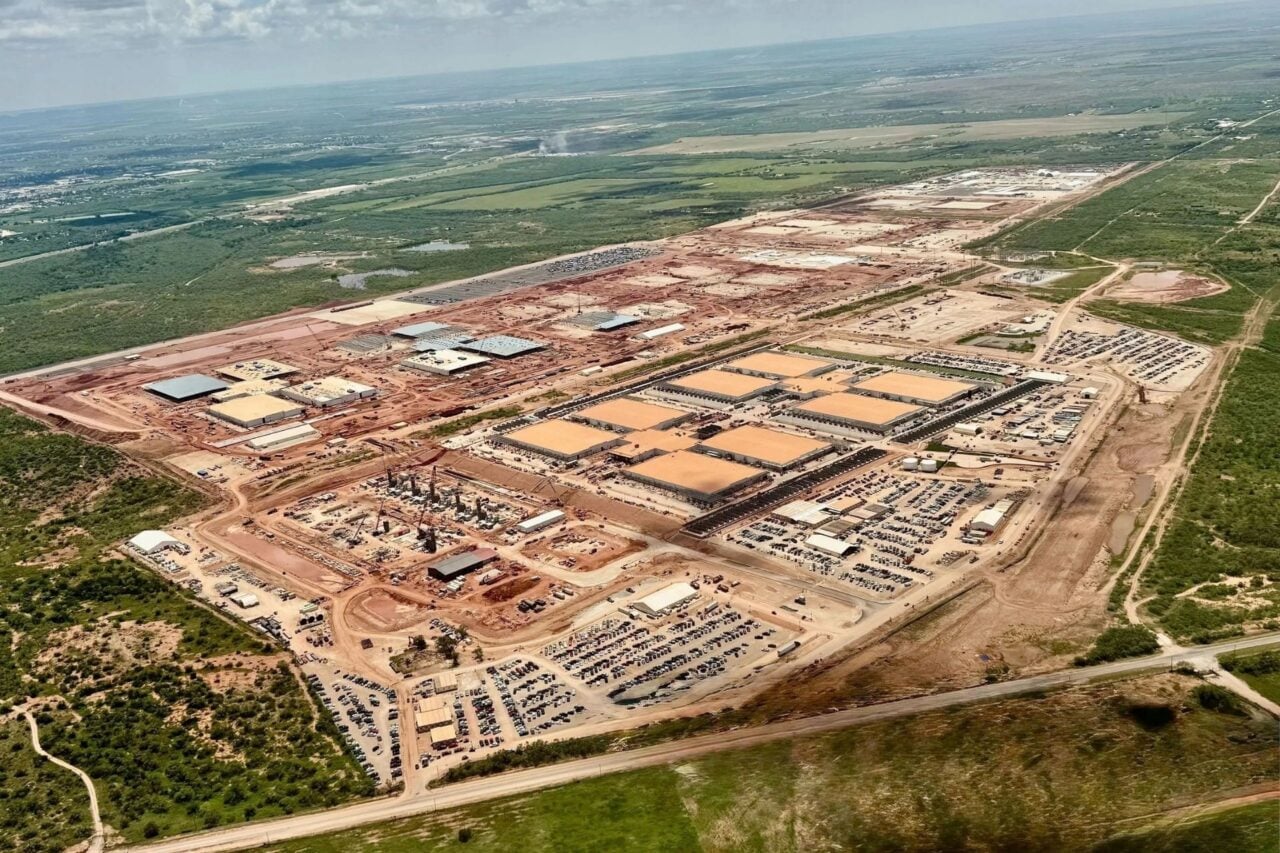
Захиргааны шинэ шийдвэрээр эрчим хүчний сүлжээнд холбогдох хүсэлт гаргасан хиймэл оюун ухааны дата төслүүдэд цогц аудит хийж, шаардлага хангаагүй тохиолдолд сүлжээнд холбохыг хориглохоор болжээ.
Техас мужийн амсагч Грег Эбботт даваа гарагт Мужийн нийтийн үйлчилгээний комисс (PUCT) болон Техасын цахилгаан эрчим хүчний найдвартай байдлын зөвлөлд (ERCOT) одоо хэрэгжиж буй дата төслийн төслүүдэд иж бүрэн аудит хийхийг үүрэг болголоо. Энэхүү аудитыг дуусгаж, мужийн зохицуулагчдын шаардлагыг хангаагүй төслүүдэд эрчим хүчний сүлжээнд холбогдох зөвшөөрөл олгохгүй бөгөөд уг журам нь орон нутгийн иргэдийн амьдралын чанар, аюулгүй байдлыг хамгаалах зорилготой юм.
Meta, Amazon, Microsoft, Google, OpenAI зэрэг томоохон технологийн компаниуд хиймэл оюун ухааны загвараа хөгжүүлэх дэд бүтцэд тэрбум тэрбум доллар зарцуулж байгаа бөгөөд Техас муж нь дата төслүүдийн хувьд хамгийн таатай бүсүүдийн нэг болжээ. Тухайлбал, OpenAI-ийн томоохон дата төв Абилин хотод байрлаж байгаа ба мужийн хэмжээнд 500 гаруй ийм байгууламж үйл ажиллагаа явуулж байгаа нь Виржиниа мужийн дараа орох үзүүлэлт юм.
ERCOT одоогоор сүлжээнд холбогдох хүсэлт гаргасан томоохон хэрэглэгчдийн 474 гигаваттаас давсан хүчин чадлыг хянаж байгаагийн 90 орчим хувь нь дата төслүүд байна. Хэдийгээр эдгээр төслийн ихэнх нь бодит ажил болохгүй байж болох ч өсөн нэмэгдэж буй цахилгаан, усны хэрэглээ, дуу чимээ болон гэрлийн бохирдолд санаа зовнисон орон нутгийн иргэд эсэргүүцэл үзүүлж, зарим төслийг зогсооход хүргээд байна.
Дональд Трампын засаг захиргаа үндэсний аюулгүй байдлын үүднээс хиймэл оюун ухааныг хязгаарлалтгүйгээр хөгжүүлэх нь чухал гэж үзэж байгаа ч орон нутгийн иргэдийг ятгаж, энэхүү өөрчлөлттэй хамт алхах шаардлагатайг онцолж байна. Мужийн удирдлагууд болон зохицуулагчдын тавьж буй шинэ шаардлагууд нь цахилгаан сүлжээ болон усны нөөцөд ирэх ачааллыг бууруулахад чиглэж байна.
Дэлгэрэнгүйг эх сурвалжаас харах
Эх сурвалжийг нээх ↓
Even famously pro-business Texas appears to be trying to get ahead of growing backlash against new data center developments.
Gov. Greg Abbott on Monday directed the Public Utility Commission of Texas (PUCT) and the Electric Reliability Council of Texas (ERCOT), which operates most of the state’s power grid, to conduct a comprehensive audit of data center projects currently seeking to connect to the ERCOT grid.
According to the governor’s office, the audit must be completed before any projects moving through ERCOT’s interconnection process can be approved. Projects that fail to comply with requirements set by state regulators will be denied a connection to the grid.
Regulators must also collect information about each project’s expected electricity demand, how much power it plans to generate itself, its water use, and any tax incentives or other public subsidies it may receive. Developers will also have to explain how they plan to reduce noise, light pollution, traffic, and other effects on nearby communities.
The move comes as nearly every major tech company, including Meta, Amazon, Microsoft, Google, and OpenAI, is pouring billions of dollars into building out the infrastructure needed to train and run their competing AI models.
Texas has become a particularly attractive destination for data center projects. OpenAI’s flagship Stargate data center is located in Abilene. Meanwhile, the Data Center Map currently lists more than 500 facilities across the state, second only to Virginia. Still, that number could grow significantly in the years to come.
ERCOT is currently reviewing more than 474 gigawatts worth of requests from large electricity users seeking to connect to the grid. That is more than five times ERCOT’s record peak demand, and according to the governor’s office, roughly 90% of those requests come from data centers.
While many of those proposals will probably never get built, even a fraction of that proposed demand could place significant pressure on the state’s power grid.
“Our top priority is to protect Texans’ safety and quality of life,” said Gov. Abbott in a press release. “Any project that fails to comply with the requirements set forth by the PUCT and ERCOT, and by state law, must be denied connection to the Texas grid. Simply put, Texans must come first.”
The order comes as these projects have also attracted growing backlash, especially from local residents worried about the strain these massive facilities could place on water supplies, power grids, and their communities. In some cases, that opposition has already helped defeat proposeddata centerprojects.
While some lawmakers have called for anational moratorium on the construction or expansion of new AI data center projects, President Donald Trump’s administration has taken a largely hands-off approach to regulating data center construction so far. Trump has largely argued that unfettered AI development is important for national security. “You have to convince your communities how great these things are,” he recently told an audience when discussing data centers. “You can’t fight it. You have to go with it.”


