
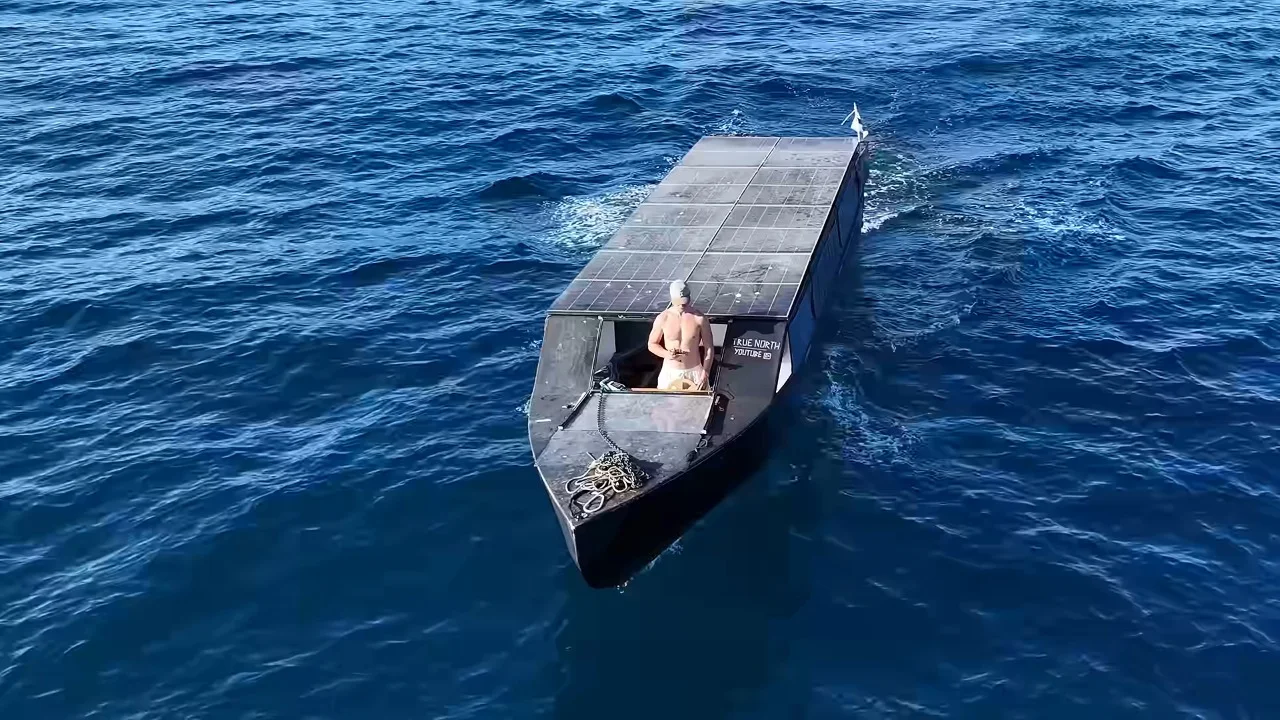
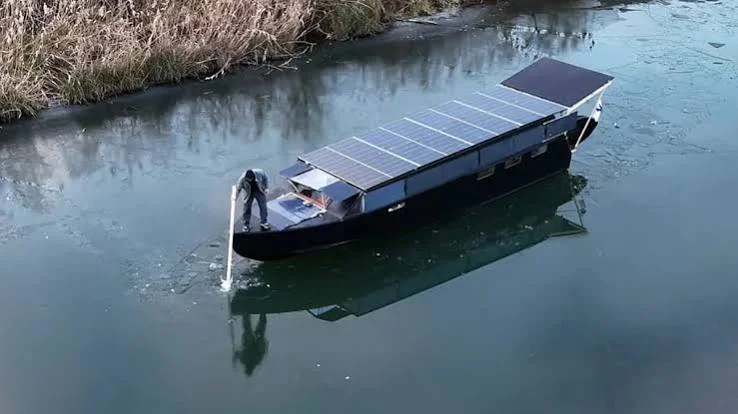
Финландаас Испани хүртэл өөрийн гараар бүтээсэн нарны эрчим хүчээр ажилладаг завьтай аялсан YouTube сувгийн хөтлөгч Лукас Шёман дараагийн төсөл болох катамаран завь бүтээх төлөвлөгөөгөө хуваалцлаа.
Лукас Шёман өмнөх төсөлдөө 20,724 ам.долларын төсөв зарцуулсан бөгөөд нарны эрчим хүчийг ашиглан шатахууны зардлыг тэглэх боломжтойг баталсан юм. Тэрээр аяллынхаа туршид нарны хавтангуудыг хатуу болон зөөлөн хувилбараар сольж туршсан нь уг системийн хамгийн том сорилт байжээ.
Шинээр бүтээх катамаран загварын хувьд хоёр параллель их биетэй тул нарны хавтан суурилуулах талбай багатай гэдгээрээ онцлог юм. Тэрээр хавтангуудыг бүхээгийн дээвэр болон тавцангийн тодорхой хэсэгт байрлуулахаар төлөвлөж байгаа бөгөөд энэ нь бүтцийн хувьд илүү нарийн шийдэл шаардана.
Зөвхөн нарны эрчим хүчний систем, цахилгаан мотор болон батерейнд зориулж 40,000 ам.долларын хөрөнгө оруулалт хийх шаардлагатай гэж тооцоолжээ. Энэхүү үнэд бүхээгийн тохижилт болон их биеийн бүтээн байгуулалтын зардал багтаагүй байна.
Дэлгэрэнгүйг эх сурвалжаас харах
↓Эх сурвалжийг нээх ↓
This YouTuber did something ingenious after sailing from Finland to Spain in a solar-powered yacht that he built by himself.
We don’t even know where to start – like, how do you even come up with the idea?
But clearly the idea worked, and the yacht works.
And now, he’s building a catamaran.
In theory, the yacht can run forever
One of the many reasons why solar energy is taking so long to properly take off is that, in theory, solar power is unlimited.
True, but harnessing solar power and actually turning it into usable ‘fuel’ is complicated and expensive.
Hence why we aren’t all hovering around our cities in flying cars that can run on solar energy.
It’s the same with hydrogen cars – apologies for the digression – because people say that ‘hydrogen is the most abundant element in the universe’ and while that’s true, it’s also not super relevant.
You still need to actually process it and turn it into fuel.
But the theory stands, and the YouTuber/sailor has indeed been traveling basically on a zero-dollar budget (from Finland to Spain) when it comes to fuel.
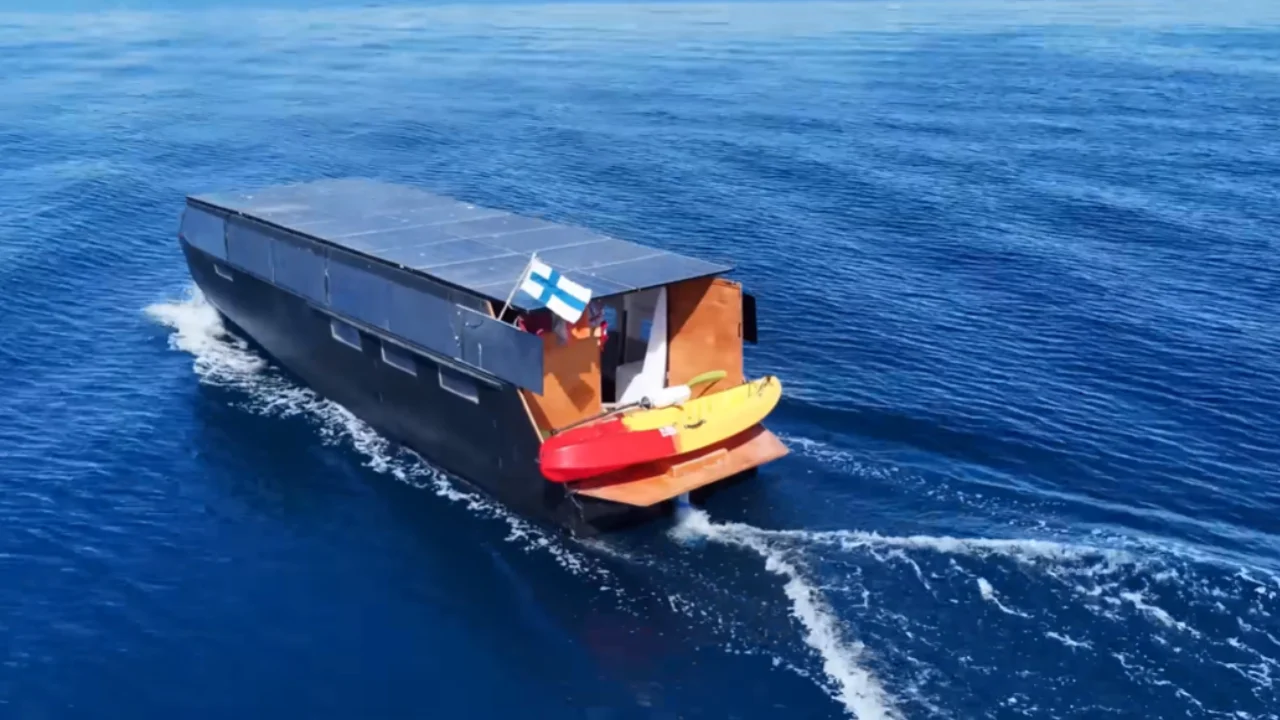
Building a catamaran will be trickier (and more expensive)
One of the biggest challenges with his yacht was choosing the correct type of solar panels and deciding where to fit them.
Well, on the roof, obviously, but that’s easier said than done.
The YouTuber behind the True North Yachts channel, Lukas Sjoman, admitted that he had to replace the solar panels a couple of times, switching from rigid to flexible to rigid again.
Finding a sizable, mostly flat surface on which you can place solar panels on a yacht is relatively simple.
Especially if you built the solar-powered yacht yourself.
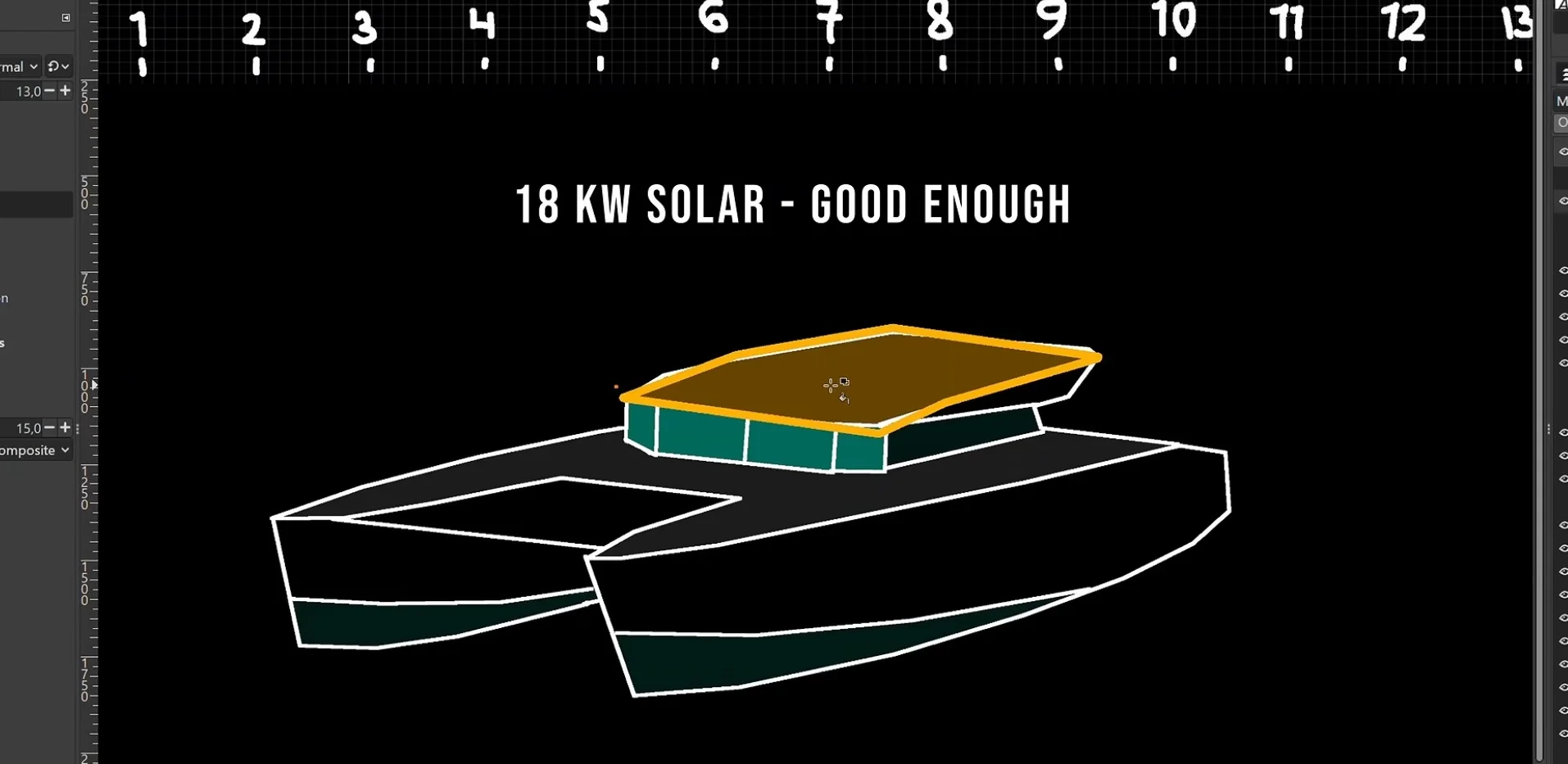
But a catamaran is different.
A catamaran has two parallel hulls that are too narrow so that’s not an option.
There’s a large deck, but you’d have to basically ‘sacrifice’ it if you want to use it to install the panels.
His idea does involve losing a bit of deck space, but there are two positives.
First, while some deck space will be taken up by the solar panels, it won’t consume the whole area.
Second, just like on his yacht, the solar panels will be installed on the cabin roof.
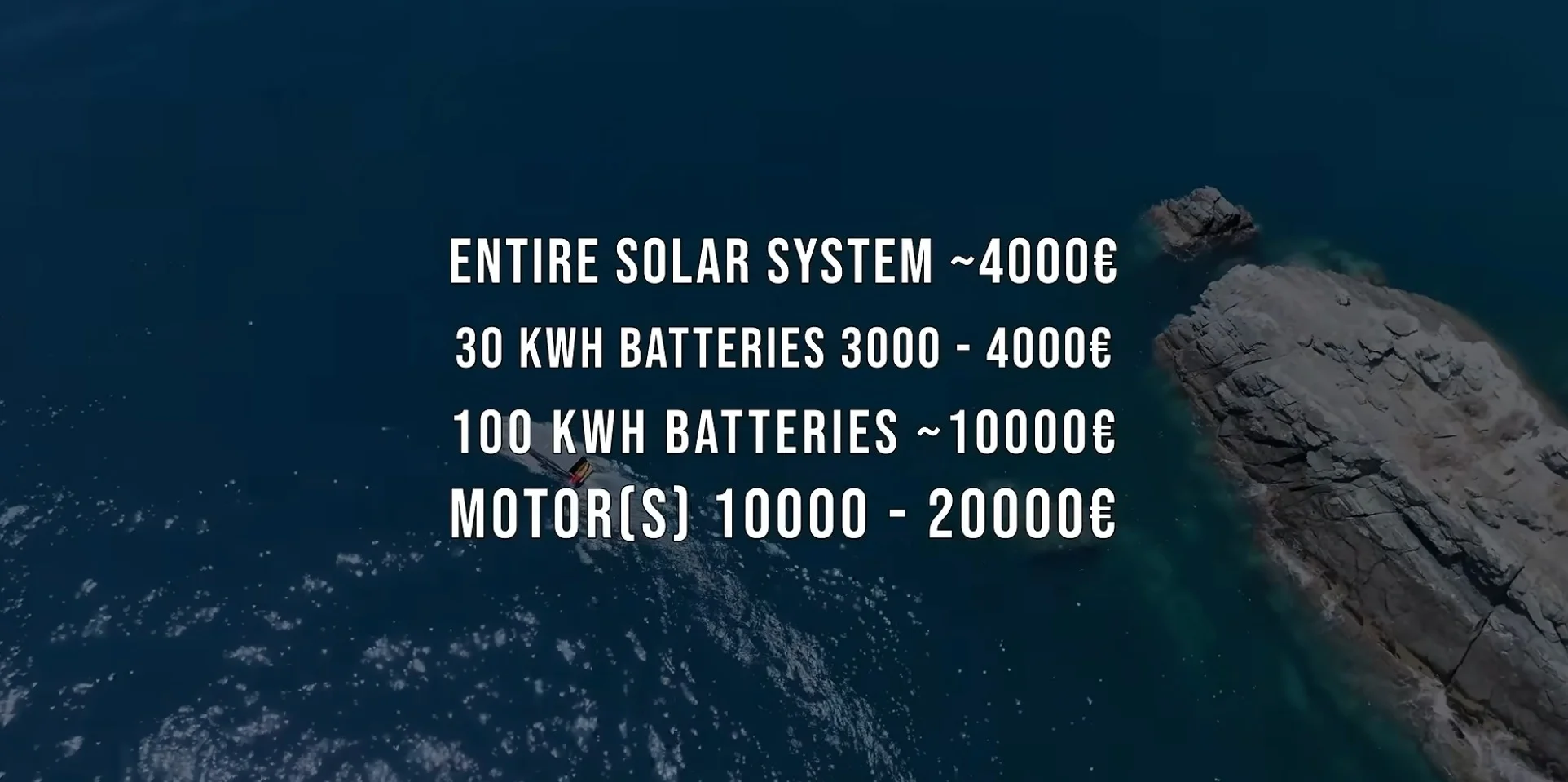
And it’ll be expensive, too.
In his estimation, he’s going to need at least $40,000, and that’s just for the solar system, the motors, and the batteries.
That means he hasn’t even factored in the cost of fitting out the cabin, building the hull, and so on.
The trickiest part will come later
One of many things he said he wished he’d done differently when he built his solar-powered yacht was the cabin.
It’s not very tall – people like Jason Momoa or Zlatan Ibrahimović would barely fit – but more importantly the entrance (we can’t call it a door because there isn’t one) is super cramped.
This part will be tricky because with a catamaran, in general, you have even less space.
That depends on the size of the catamaran, of course, but a DIY catamaran can’t be that big.
The YouTuber is still currently in Spain and will presumably have to head back to Finland, his native country, for this project.
So stay tuned.



