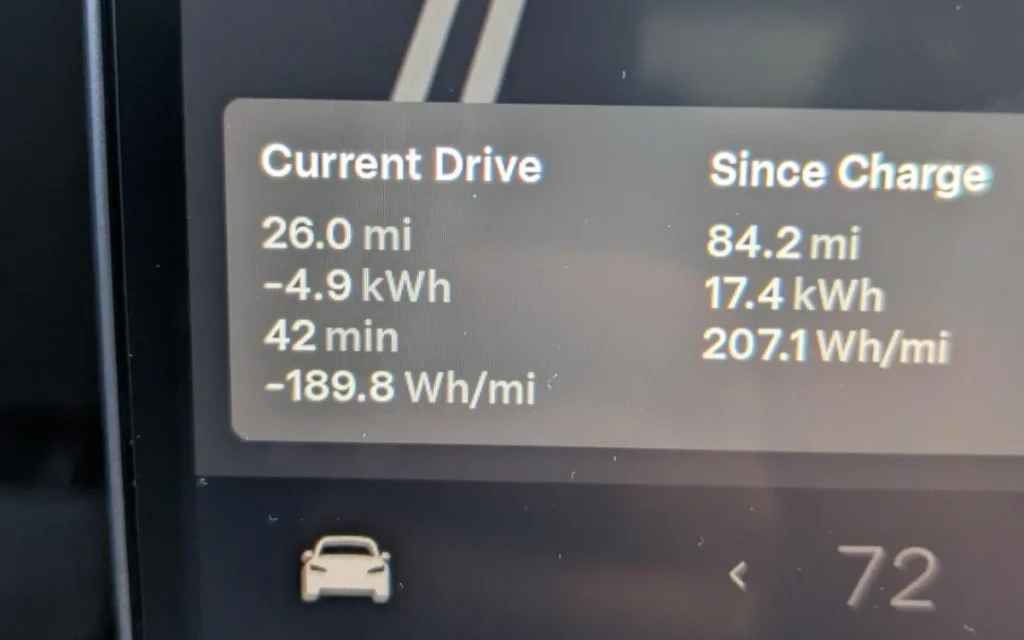
Цахилгаан автомашины нөхөн сэргээгдэх тоормосны систем нь уруу газар явах үед хөдөлгөөний энергийг цахилгаан эрчим хүч болгон хувиргаж, батерейг цэнэглэх үйлчилгээ үзүүлдэг байна.
2024 оны Tesla Model 3 Highland Long Range RWD загварын эзэмшигч уулын замаар 6,000 орчим фут доош буух явцад батерейны цэнэгийн түвшин 8 хувиар нэмэгдсэнийг Reddit сүлжээнд хуваалцжээ. Энэхүү үзэгдэл нь цахилгаан автомашины хөдөлгүүр нь удаашрах үед генераторын үүрэг гүйцэтгэж, дугуйны эргэлтийн энергийг цахилгаан болгон батерей руу буцаан илгээдэг технологитой холбоотой юм.
Энэхүү аргыг ашиглан өндөр уулнаас буух үед цэнэгийн түвшнээ мэдэгдэхүйц нэмэгдүүлсэн тохиолдлууд олон гарчээ. Тухайлбал, Pikes Peak уулын 14,115 фут өндрөөс буух үед батерейны цэнэг 37 хувиас 48 хувь хүртэл өссөн тохиолдол бүртгэгдсэн байна. Мөн цанын бааз руу зорчихдоо зарцуулсан эрчим хүчээ буцах замдаа нөхөн сэргээж, цэнэгийн түвшингээ хэвээр хадгалсан жишээнүүд ч дурдагджээ.
Гэсэн хэдий ч нөхөн сэргээгдэх тоормос нь эрчим хүчийг үгүйгээс бүтээдэггүй бөгөөд олж авах цэнэгийн хэмжээ нь тухайн замын өндрийн зөрүү, хурд, жолоодлогын хэв маяг, агаарын температур болон батерейны төлөв байдлаас шууд хамаарна. Энэхүү технологи нь цахилгаан автомашиныг дотоод шаталтат хөдөлгүүртэй автомашинаас ялгаатай давуу талтай болохыг харуулж байна.
Дэлгэрэнгүйг эх сурвалжаас харах
↓Эх сурвалжийг нээх ↓
A Tesla Model 3 owner has discovered a surprisingly simple way to add battery charge without plugging into a charger or even stopping the car.
All he needs is some height, and a little bit of gravity.
During one particularly long descent down a mountain, he watched his battery percentage climb by 8 percent, turning an ordinary downhill drive into an unexpected charging session.
He’s not the only one doing it either; other Tesla owners quickly jumped in with even more impressive examples.
How to recharge while driving
The owner shared his experience on Reddit, revealing that his 2024 Tesla Model 3 Highland Long Range RWD gained 8 percent battery after descending around 6,000 feet.
Naturally, other drivers wanted to know how on Earth a Tesla could gain charge while simply driving down a mountain.
The answer is regenerative braking, one of the most useful features built into modern EVs, although it can make some people feel really sick.
Instead of allowing all the energy created while slowing down to disappear as heat through conventional brakes, an EV can recover some of it and send it back to the battery.
Converting motion into electrical energy
Here’s the clever part: an electric motor can work in reverse as a generator.
When you’re accelerating, electricity from the battery powers the motor, which turns the wheels and moves the car.
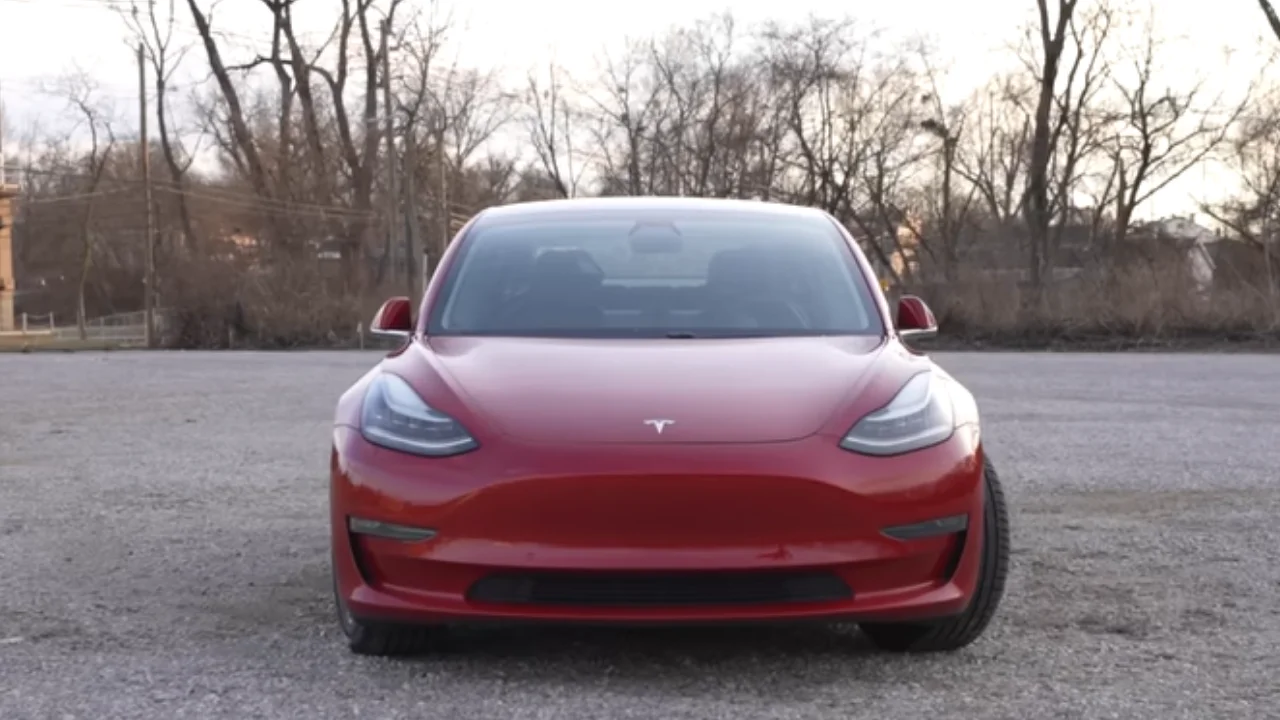
This part is simple enough.
However, what many people don’t realize is that when you lift off the accelerator or press the brakes, the spinning wheels can instead turn the motor, causing it to generate electricity.
That electricity is then sent through the vehicle’s power electronics and back into the battery.
Essentially, the car is converting some of its motion back into electrical energy.
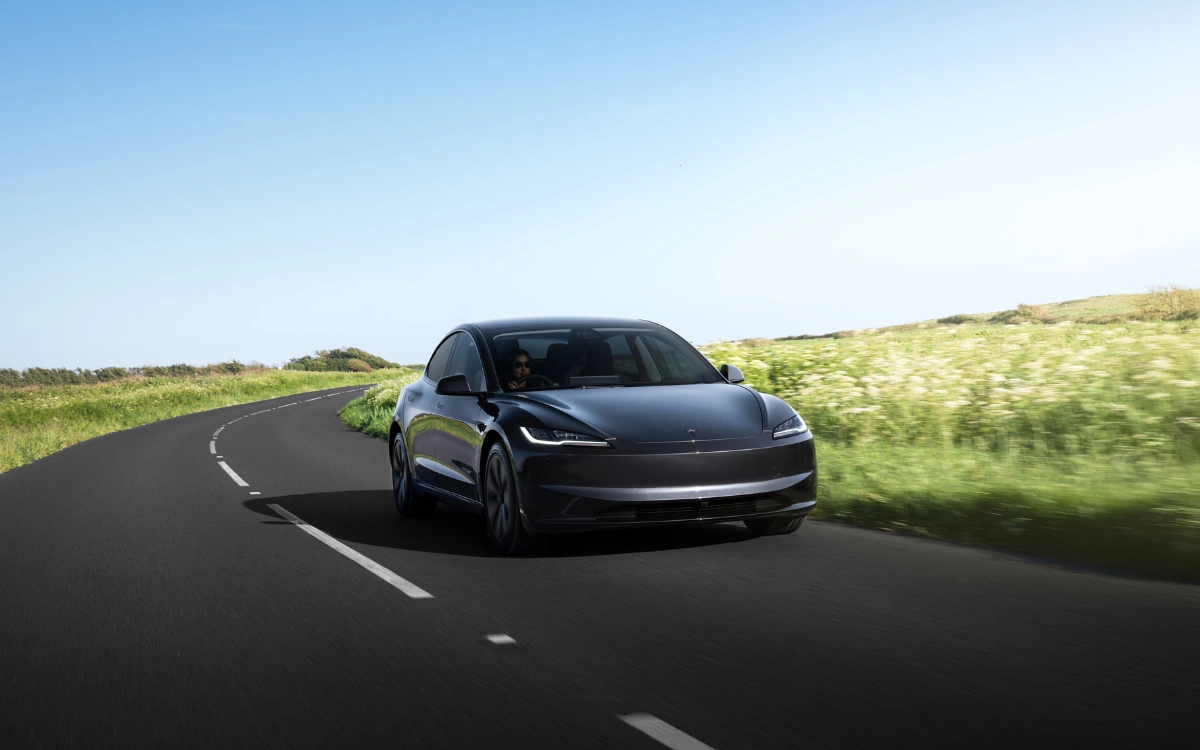
Going downhill makes the process even more interesting because gravity is constantly pulling the car downward.
The vehicle gains potential energy from its elevation, which becomes kinetic energy as it descends.
Regenerative braking can capture a portion of that energy instead of wasting it as heat.
The mountain boost for a Tesla Model 3 can be quite significant
One Reddit commenter said they drove their Model 3 to the top of Pikes Peak in Colorado, reaching 14,115 feet.
They arrived with 37 percent battery remaining and reached the bottom with 48 percent, somehow gaining 11 percentage points during the descent.
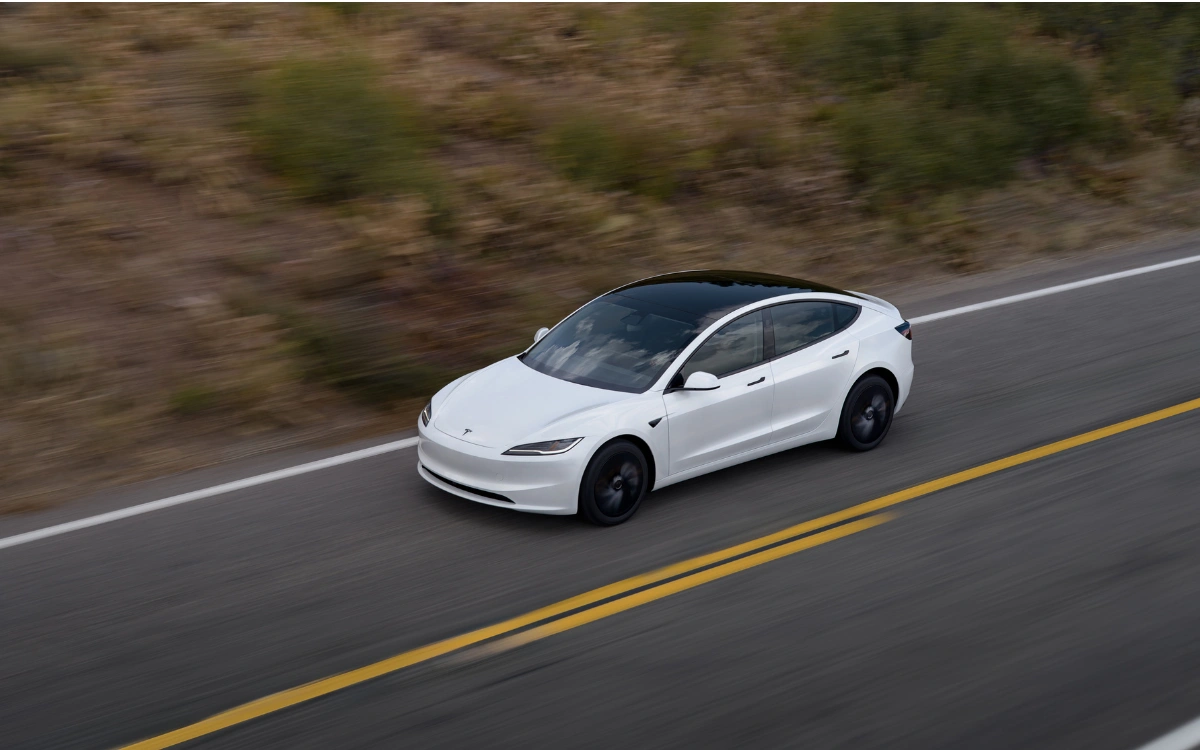
Another Tesla owner shared an even more impressive example from a skiing trip.
They recalled starting with 30 percent battery, arriving at the lodge with 11 percent, then returning home still with… 11 percent.
The downhill journey had recovered enough energy to effectively cancel out the energy used climbing back up.
Of course, this isn’t a magic battery hack.
Regenerative braking can’t create energy from nothing, and the amount recovered depends on factors including elevation, speed, driving style, temperature and battery charge level.
Still, it’s a neat reminder that EVs can do something gasoline cars simply can’t.
Apparently, the most cost efficient charging station may actually just be a very long hill.


