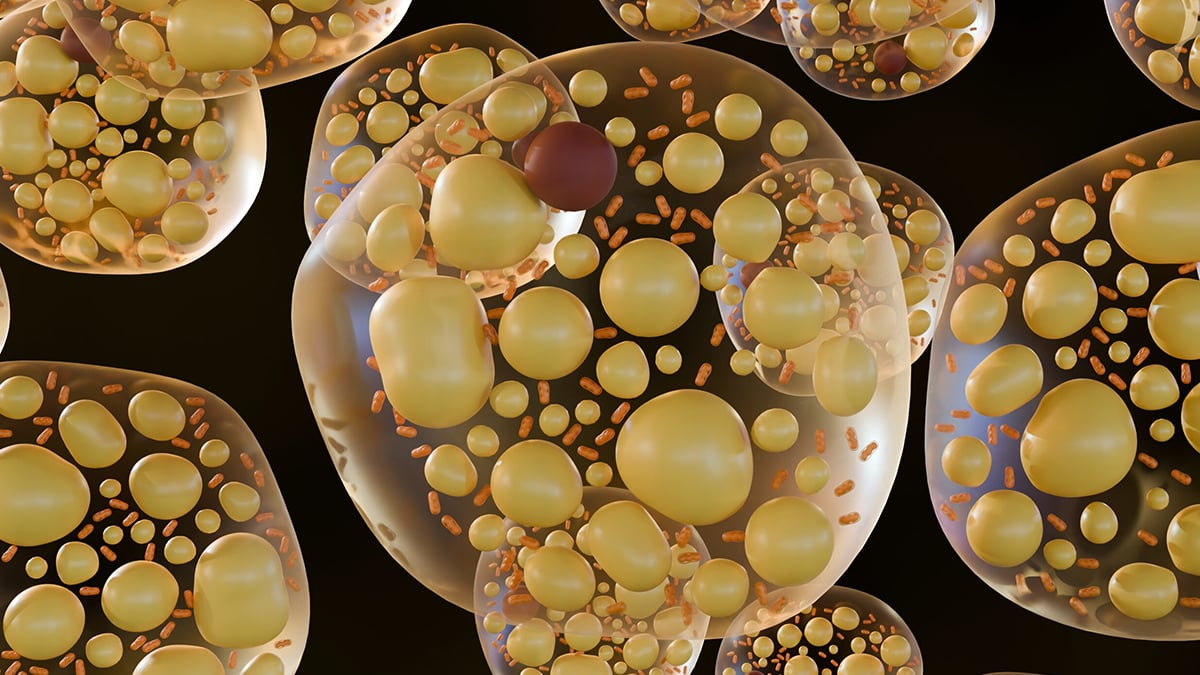
Nature сэтгүүлд нийтлэгдсэн олон улсын томоохон судалгаагаар FNIP1 генийн ховор хувилбар нь хүнийг бодисын солилцооны өвчнөөс хамгаалдаг болохыг илрүүлэв.
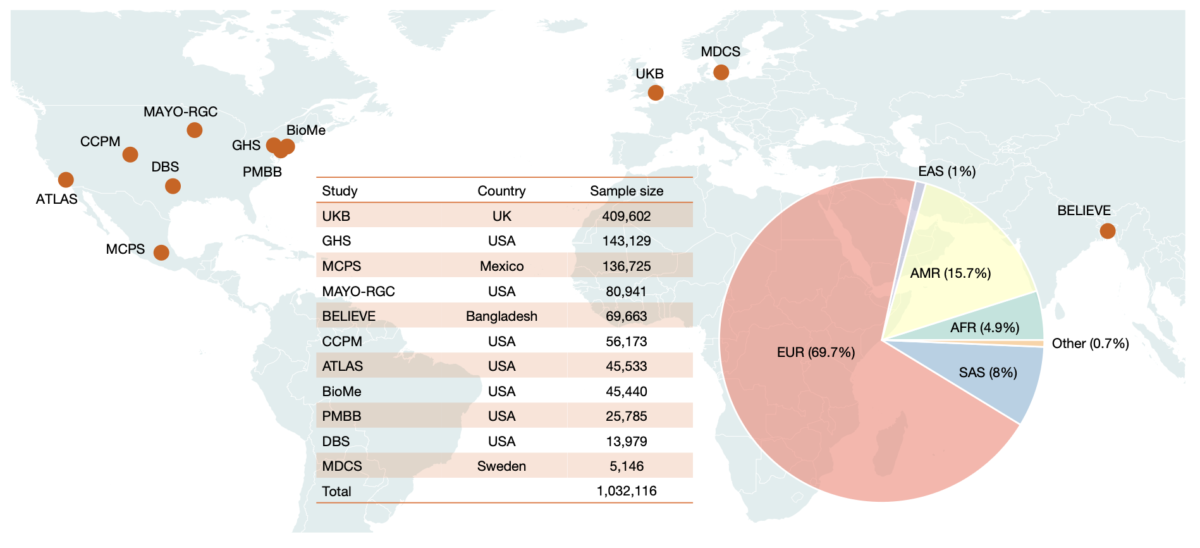
Гурван тивийн нэг сая гаруй хүнийг хамруулсан энэхүү судалгаагаар цусан дахь триглицерид болон HDL холестерины харьцаатай холбоотой генийн өөрчлөлтүүдийг судалжээ. Судлаачид FNIP1 генд тохиолддог ховор мутацитай хүмүүс зүрх судасны өвчин болон чихрийн шижин тусах эрсдэл 60 орчим хувиар бага байдгийг тогтоосон байна. Энэхүү мутаци нь 7,000 хүн тутмын нэгд тохиолддог бөгөөд судалгаанд 155 хүн энэхүү өөрчлөлттэй байжээ.
Regeneron Pharmaceuticals компанийн генетикч Лука Лоттагийн тайлбарласнаар, FNIP1 ген нь эсийн эрчим хүчний зарцуулалтыг зохицуулдаг “тоосго” буюу тоормосны үүрэг гүйцэтгэдэг аж. Мутацийн улмаас тус ген бүрэн ажиллагаагүй болох үед бие махбод энергиэ илүү үр ашигтайгаар зарцуулж, өөх тосны хуримтлалыг бууруулдаг байна. Лабораторийн туршилтаар FNIP1 генийг идэвхгүй болгоход элэгний эсүүдэд өөх шатаах үйл явц идэвхжиж, хулгана дээр хийсэн туршилтаар инсулины мэдрэг чанар сайжирч, элэгний өөхжилт багассан нь батлагджээ.
Түүнчлэн, уг ген нь биеийн өөхний хуваарилалтад нөлөөлдөг бөгөөд эрүүл бус висцерал өөхний хуримтлалыг бууруулдаг нь эрүүл мэндэд эерэг нөлөө үзүүлдэг байна. Судлаачид мөн PDE3B генийн ховор хувилбарууд нь эмэгтэйчүүдийн бодисын солилцоонд илүү хүчтэй нөлөөлдөг болохыг ажиглажээ. Энэхүү нээлт нь чихрийн шижин болон таргалалтын эмчилгээнд шинэ чиг хандлага болох боломжтой ч FNIP1 генийг дур мэдэн унтраах нь ноцтой эрсдэл дагуулж болзошгүй тул нэмэлт судалгаа шаардлагатай гэж мэргэжилтнүүд дүгнэв.
Дэлгэрэнгүйг эх сурвалжаас харах
↓Эх сурвалжийг нээх ↓
What if some people were born with a metabolic setting that made them healthier by keeping fat out of their liver and blood, lowering blood sugar, and preventing type 2 diabetes?
It could help them avoid many health problems.
In a study of more than one million people across three continents, published in Nature, researchers identified rare mutations in one gene that appear to offer remarkable protection against diabetes, heart disease, and other cardiometabolic conditions.
Cardiometabolic diseases are the leading cause of death globally and are responsible for about 1 in every 3 US deaths.
The researchers found the gene, called FNIP1, while looking for gene variants connected to the ratio of triglycerides (TG) to high-density lipoprotein (HDL) cholesterol.
“The higher this ratio is, the higher the risk of metabolic disease,” says geneticist Luca Lotta of Regeneron Pharmaceuticals, who co-led the study.
The specific FNIP1 mutations are rare: In this study, roughly 1 person in every 7,000 carried a variant.
Only 155 people studied had these “protein-truncating” mutations, but the metabolic differences in them were striking. Overall, this group had about a 60 percent lower odds of developing cardiometabolic diseases.
The FNIP1 gene codes for folliculin-interacting protein 1, which normally works with another protein, folliculin, to put the brakes on cellular energy expenditure, allowing the body to store energy.
The pathway helps regulate mitochondria, the cellular structures that produce energy, as well as the machinery involved in breaking down and recycling cellular components.
When FNIP1 is partially disabled, causing a dysfunctional protein, that brake appears to be released, and the body burns through energy.
“These individuals consume, store, and utilize energy more than individuals without those mutations, and that’s the protective factor,” says Lotta.
The researchers found evidence for this mechanism in laboratory experiments, too.
Silencing FNIP1 in human liver cells switched on genes involved in fat-burning. In mice, manipulating a similar pathway protected animals fed a high-fat, high-fructose diet against fat gain while improving insulin sensitivity and reducing liver fat and liver damage.
Interestingly, this gene variant appears to affect where body fat is stored.
Research shows that where fat is stored impacts cardiometabolic health, with visceral fat (generally around the organs and in the midsection) more harmful than fat stored subcutaneously in the butt, hips, and thighs. That the people with the gene variant had healthier fat distribution might be key to their better health outcomes.
There was also a compelling sex-specific wrinkle.
While focused on FNIP1, they identified 58 other related genes. Most showed remarkably similar effects in men and women.
But rare variants in the PDE3B gene had a stronger association with a favorable TG:HDL ratio in women than in men. That’s particularly interesting because PDE3B is already implicated in fat distribution.

The researchers say the metabolic profile created by disrupting FNIP1 has some similarities to what happens with GLP-1 drugs, which have transformed the treatment of obesity and type 2 diabetes in recent years.
But there’s an important distinction: GLP-1 drugs act mainly through hormonal signaling, while FNIP1 appears to influence the body’s fundamental machinery for deciding whether to burn or store energy.
That makes FNIP1 a potential drug target according to the pharmaceutical company that led the research–so that “potential” may be doing some heavy lifting.
Evolution may explain why such a mutation is so rare. For most of human history, having a body that conserved calories efficiently would have been an advantage. Today, in an environment where calorie-dense food is abundant, that same metabolic thriftiness may be less helpful.
“Nowadays, we are living in a very calorie-rich environment, and historically there’s no precedent for this,” Lotta says.
Related: Where You Carry Your Body Fat Is Directly Linked to Brain Aging in First-of-Its-Kind Study
But before anyone starts looking for an FNIP1-blocking pill, there’s a fairly important question to answer: What exactly happens when you deliberately turn off this metabolic brake?
We don’t yet know whether safely switching off FNIP1 with a drug would reproduce the benefits seen in people who naturally carry these mutations. The researchers note that complete disruption of the pathway can cause serious problems.
The study is another example of the power of human genetics to reveal what happens when nature accidentally switches off one component of our biology. Rare mutations can show researchers which biological pathways might be worth targeting.
These incredibly rare mutations, which might have been unfavorable for many millennia, are now favorable to the body,” says Lotta.
This research has been published in Nature.
This article was fact-checked by Rebecca Dyer and edited by Rebecca Dyer. While we pride ourselves on our process, we are only human. If you spot a mistake, please let us know.

