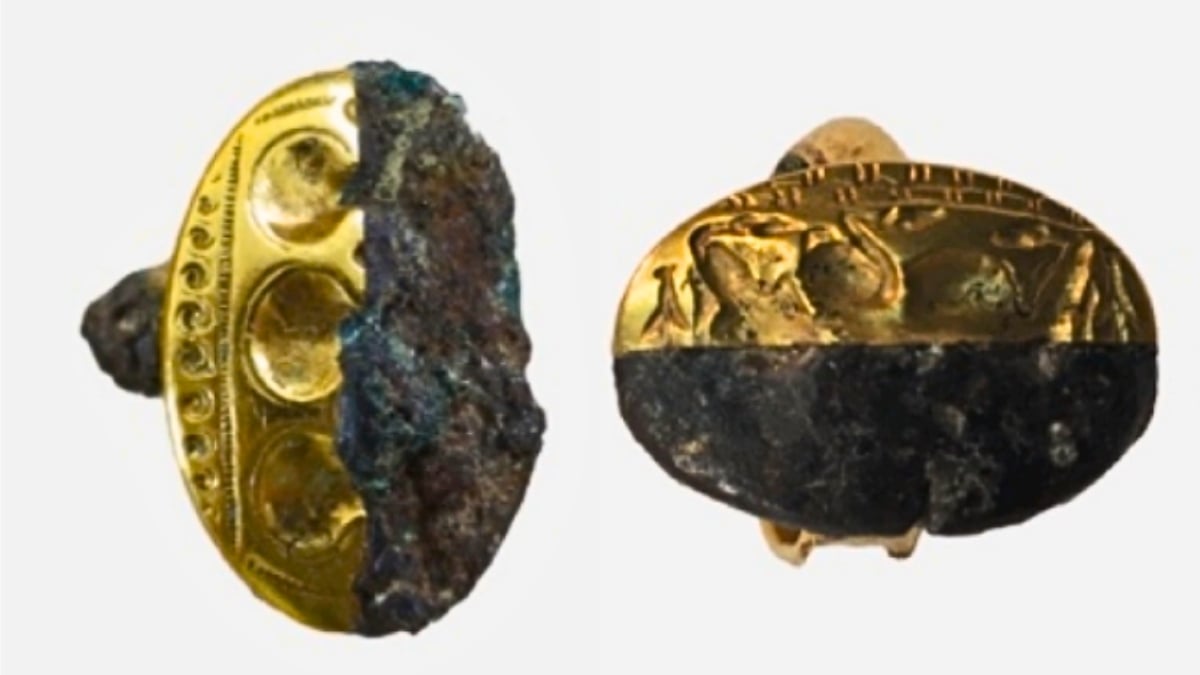
Археологийн шинэ судалгаагаар Мино болон Микены соёл иргэншлийн үед солирын төмрөөр хийсэн бөгж нь тухайн үеийн нийгмийн дээд давхаргынхны эрх мэдлийн бэлгэдэл байсныг тогтоожээ.
Journal of Archaeological Science сэтгүүлд нийтлэгдсэн уг судалгаагаар эрдэмтэд Грекээс олдсон хүрэл зэвсгийн үеийн 91 төмөр эдлэлийг шинжилжээ. Рентген флюресценцийн аргаар хийсэн шинжилгээгээр 13 эдлэл нь никель агуулж байгааг илрүүлсэн бөгөөд эдгээр нь солирын төмрөөр урласан болохыг тогтоов. Сонирхолтой нь, эдгээр 13 олдвор бүгд алт, мөнгө зэрэг үнэт металлаар чимэглэсэн, хааны тамга зүүх боломжтой гоёмсог бөгжнүүд байжээ.
Судлаачдын үзэж буйгаар эдгээр ховор эдлэл нь Мино болон Микены ордон дахь нөлөө бүхий эрхмүүдийн зиндааг илтгэдэг байв. Тухайлбал, нэгэн бөгжийг Миногийн үеийн бунхнаас, өндөр дээд тушаалын тахилчийн хуруунаас олсон нь үүнийг баталж байна. Грекийн газар зүйн байршил солир унахад таатай бус тул уг төмрийг Египетээс импортолж авчирсан байх магадлалтай гэж эрдэмтэд таамаглаж байна.
Түүнчлэн судалгаагаар МЭӨ 1400 оны үеэс хүний гараар хайлуулсан төмөр ашиглаж эхэлсэн ул мөр олдсон ч, энэ нь Анатоли зэрэг бүс нутагтай харьцуулахад хожуу хөгжсөн байна. Солирын төмрөөр хийсэн бөгжний моод МЭӨ 1200 оны орчимд зогссон нь нийгмийн эрэлт хэрэгцээ өөрчлөгдсөн эсвэл тухайн үеийн загварын чиг хандлага хувьссантай холбоотой байж болох юм.
Дэлгэрэнгүйг эх сурвалжаас харах
↓Эх сурвалжийг нээх ↓
Despite their association with planet-pulverizing destruction and extinction, space rocks can be a cosmic gift.
The meteorites that are too puny to blow up our Earth provide insights into wholly alien environments, including those that are far older than the solar system.
Meteorites may have been even more precious millennia ago, both symbolically and as a much-appreciated source of iron for pre-Iron Age societies.
These include the legendarily influential pre-Greeks, like the Minoans of Minotaur-ian fame and Mycenaeans of the Iliad and Odyssey, who brandished flashy rings made from meteorites to assert their prominence and power, a recent study published in the Journal of Archaeological Science suggests.
Throughout history, people around the world crafted meteorites into tools, weapons, and jewelry: scrapers in Greenland; axe-like votives in China; jewels in pre-Columbian America; auspicious talismans protected herders and their camels in Egypt, where King Tut’s famously tantalizing space dagger continues to fascinate.
But Bronze Age Greece seems to lack these items.
So the researchers explored two overarching questions. First, did the Minoans and Mycenaeans also incorporate meteoritic iron into their diverse, craftily created implements? Second, when did these mighty metallurgical workers begin smelting iron?
During their ‘five-year odyssey’, the researchers analyzed the chemical composition of over 100 artifacts from what is now Greece, focusing on 91 iron objects, mostly rings, bracelets, and knives, dating from the Bronze Age circa 3,800 to 3,000 years ago.
Using non-destructive X-ray fluorescence, the researchers detected that 13 of these objects contain nickel and may have been forged using iron from meteorites.
Interestingly, all 13 of these items are fancy, Skyrim-worthy finger rings that incorporate other metals like gold or silver. The rings also feature bezels that may have held signets, such as royal seals.
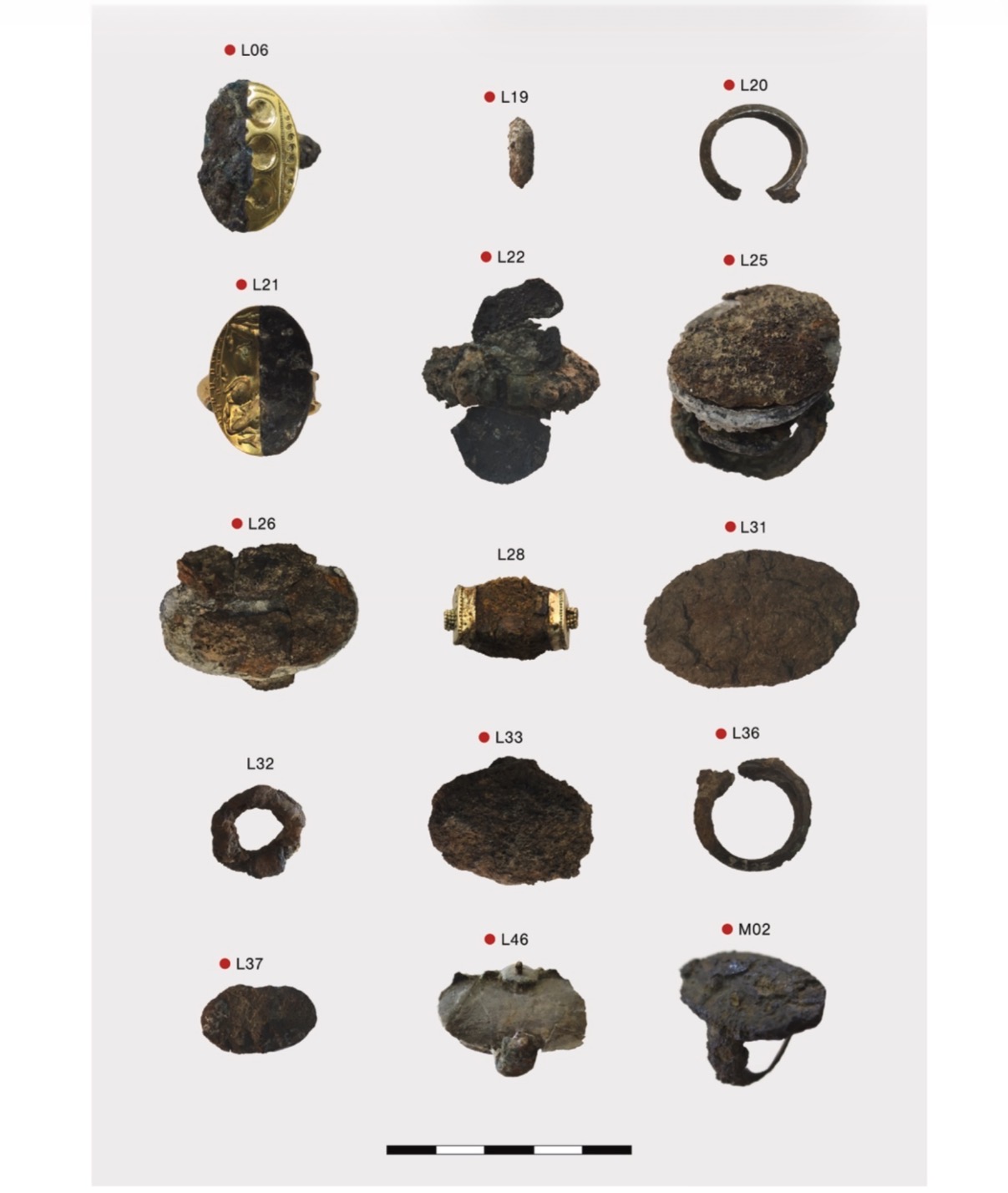
Additionally, most of the rings originate from luxurious funerary sites, like tombs in Mycenae. In true fantasy fashion, one ring was discovered in a Minoan necropolis, still adorning the finger of a supposed high priest.
“These observations led us to speculate that rings likely made out of meteorites may have been popular power symbols among prominent individuals, members of the Minoan and Mycenaean palatial elite,” the researchers explain.
The meteoritic iron may have been imported from Egypt rather than locally found. The Greek geography is unkind to meteorites, which may disintegrate or be swallowed by the sea.

Egypt’s arid deserts, which protect meteorites from oxidation and dissolution, are much better suited to their accumulation.
The researchers also determined that 78 of the iron objects used smelted iron, rather than cosmic iron, and that such smelted iron objects may have appeared as early as 1400 BCE during the Bronze Age – though only two of these, a pendant and a ring, were made before 1200 BCE.
Curiously, compared with finds from Anatolia, “the use of man-made iron seems to have been somehow delayed in Greece,” the researchers note, mentioning the possibility that these items were imported from places like Cyprus.
Related: A Pregnant Teenager’s 9,000-Year-Old Burial Was Just Uncovered in a Swedish Cave
The meteorite-ring craze lasted until around 1200 BCE and may have died out for various reasons, such as supply or demand difficulties, or the simplest, most human reason of all: sartorial fickleness.
It’s “possible that the meteoritic finger ring fashion, almost exclusive to Minoan and Mycenaean Late Bronze Age, has ‘naturally’ faded away as does any fashion,” the researchers conclude.
This research was published in the Journal of Archaeological Science.
This article was fact-checked by Rachel Garner and edited by Rebecca Dyer. While we pride ourselves on our process, we are only human. If you spot a mistake, please let us know.


