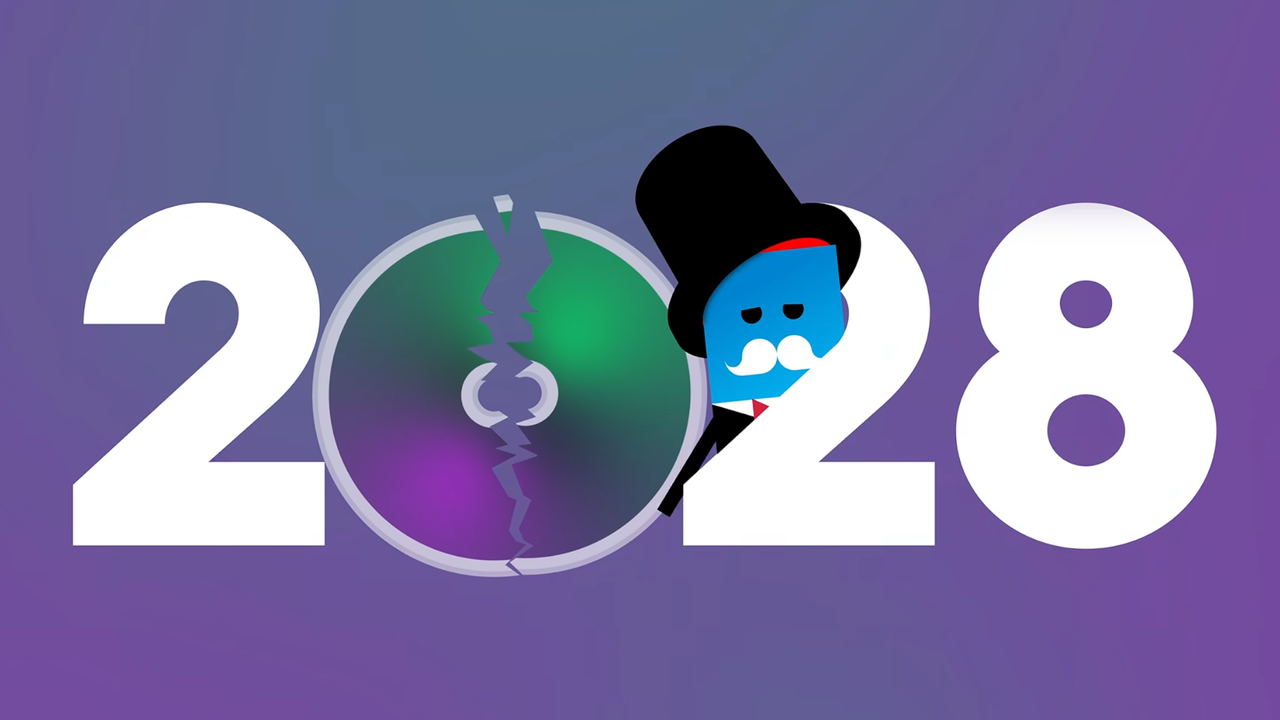
Тоглоом сонирхогчдын эрхийг хамгаалах байгууллага Sony компанийн ирээдүйд физик диск худалдаалахыг зогсоох шийдвэрийг эсэргүүцэж, Нидерландын шүүхэд өрнөж буй нэхэмжлэлд нэгдэхээ мэдэгдлээ.
Sony компани 2028 оноос хойш физик дискний худалдааг бүрмөсөн зогсоож, зөвхөн дижитал хэлбэрээр тоглоом борлуулахаар төлөвлөж байгаа нь хэрэглэгчдийн сонголтыг хязгаарлаж байна гэж шүүмжлэгчид үзэж байна. Энэхүү өөрчлөлт нь тоглоомын хоёрдогч зах зээлийг үгүй хийж, PlayStation Store-оос өөр сонголтгүй болгосноор Sony компани тоглоомын үнэ болон хэрэглэгчийн ашиглах хугацааг дангаараа шийдвэрлэх боломжтой болно гэдгийг Stichting Massaschade & Consument (SM&C) байгууллага онцолжээ.
Stop Killing Games байгууллага нь SM&C-ийн шүүхэд гаргасан нэхэмжлэлийг дэмжиж буйгаа илэрхийлсэн бөгөөд дижитал тоглоомууд физик хувилбараасаа илүү өндөр үнэтэй байдаг нь монополь зах зээлийн нөлөө гэж үзэж байна. Мөн DoesItPlay зэрэг тоглоом хадгалалтын чиглэлийн байгууллагууд ч энэхүү шийдвэрийг эсэргүүцэж, хэрэглэгчийн худалдан авсан бүтээгдэхүүнийг компаниуд дур мэдэн устгах буюу өөрчлөх эрсдэлтэйг анхаарууллаа.
Steam платформоос ялгаатай нь PlayStation экосистемд өрсөлдөгч дэлгүүрүүд байхгүй тул ирээдүйд хэрэглэгчдэд ямар ч сонголт үлдэхгүй гэж нэхэмжлэгч тал үзэж байна. Энэхүү шүүх хурал нь тоглоом хөгжүүлэлт болон дижитал түгээлтийн салбарт хэрэглэгчийн эрх ашгийг хамгаалах томоохон сорилт болох юм.
Дэлгэрэнгүйг эх сурвалжаас харах
↓Эх сурвалжийг нээх ↓
Sony’s decision to stop selling physical disks for its games makes a certain kind of sense from a mercilessly realist point of view—I’d be a hypocrite if I, a person with the majority of my games on one platform (Steam), shook my fist and wept for the end of physical media.
But aside from the sentimental concerns—which, honestly, I don’t hold as any less important, there’s more to life than money—there is a capitalist argument against the move, too, for both the consumer and the people who make videogames. If Sony ends physical disk sales, Sony decides how much a game on the PlayStation costs, forever.
Such is the argument of one Dutch consumer group that’s currently suing Sony for their proposed changes, stating last month that “no discs means no second-hand market and no alternative to the PlayStation Store, so from 2028, Sony alone decides what a game costs and even how long you are allowed to use it.”
At the very least, despite Steam’s monolithic popularity, Valve’s not capable of forcing anybody to use it. You can still use GOG or Itch.io or… Epic, if you really wanted to. The death of physical media for PC means something very different than the death of media for consoles.
The consumer organisation, by the name of Stichting Massaschade & Consument, has gained support from another key player in the growing videogamer consumer rights movement—Stop Killing Games, which posted a video to its YouTube channel explaining its choice to throw its weight behind SM&C.
“Have you ever noticed that digital PlayStation games are more expensive than physical ones?” asks the video. I decided to fact-check this real quick, and, surely enough—if I wanted to buy Spider-Man 2 from the store, I’d currently have to shell out £69.99. If I wanted that same game from Amazon, I could get it for £37.77. GameUK has a deal for £59.99, currently. Some eBay listings for second-hand copies are going for as little as a tenner at the time of writing.
“You’d expect digital games to be cheaper—so what’s going on? Sony has a monopoly on digital game sales on PlayStation … And once Sony stops selling physical games in 2028, you won’t have any choice at all.”
The video’s description reads: “We’re backing SM&C’s (Stichting Massaschade & Consument) lawsuit against Sony over its total control of PlayStation Store pricing. We’re putting our full weight behind SM&C’s case, with the Dutch court.
“SM&C has to show the court it actually represents gamers, not just claims to. Our support backs that up globally. Every Dutch gamer who signs on backs it up directly.”
Stop Killing Games will also be joined by preservation site DoesItPlay, the owner of which actually spoke with our own James Bentley this week, echoing a similar sentiment: “Less options for people is always a bad thing,” Clemens Istel says. “Especially if the only option is a future in which your purchased goods can just be taken away or altered whenever somebody else pleases.”
2026 games: All the upcoming games
Best PC games: Our all-time favorites
Free PC games: Freebie fest
Best FPS games: Finest gunplay
Best RPGs: Grand adventures
Best co-op games: Better together

