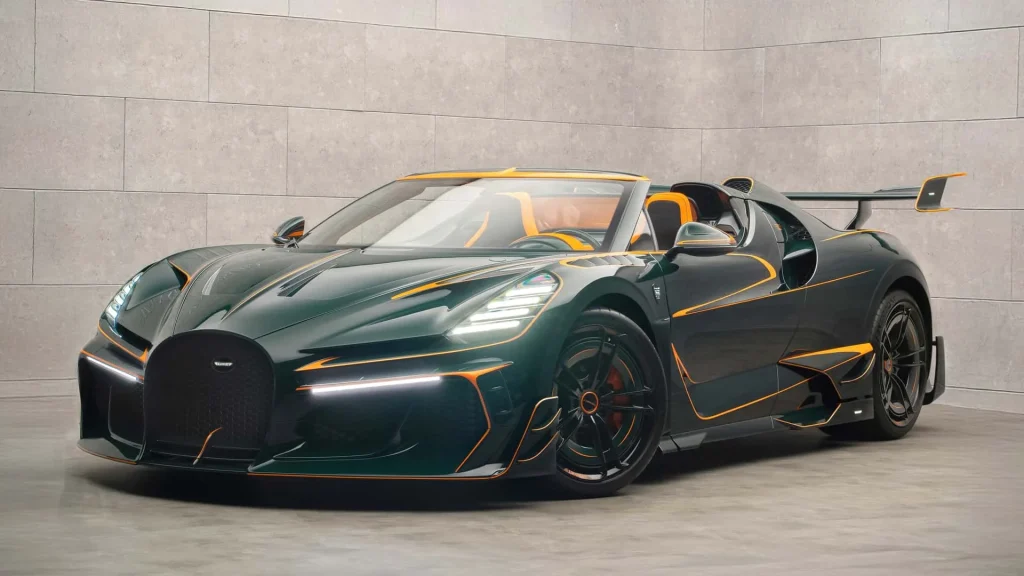
Германы Mansory компани Bugatti W16 Mistral болон Bugatti Chiron загваруудад тулгуурлан бүтээсэн, дахин давтагдашгүй хоёр гипер автомашиныг олон нийтэд анх удаа дэлгэлээ.
Bugatti W16 Mistral загвар дээр суурилан бүтээсэн Mansory Vincero нь нүүрстөрөгчийн эслэгээр хийсэн гаднах эд ангиуд болон аэродинамик шинэчлэлтүүдээр тоноглогджээ. Мөн уг автомашинд зориулан тусгайлан урласан хуурамч хайлшин дугуйнуудыг суурилуулсан бөгөөд бүхээгийн дотор талыг гар аргаар боловсруулсан арьс болон нүүрстөрөгчийн эслэг материалуудаар тоноглосон байна.
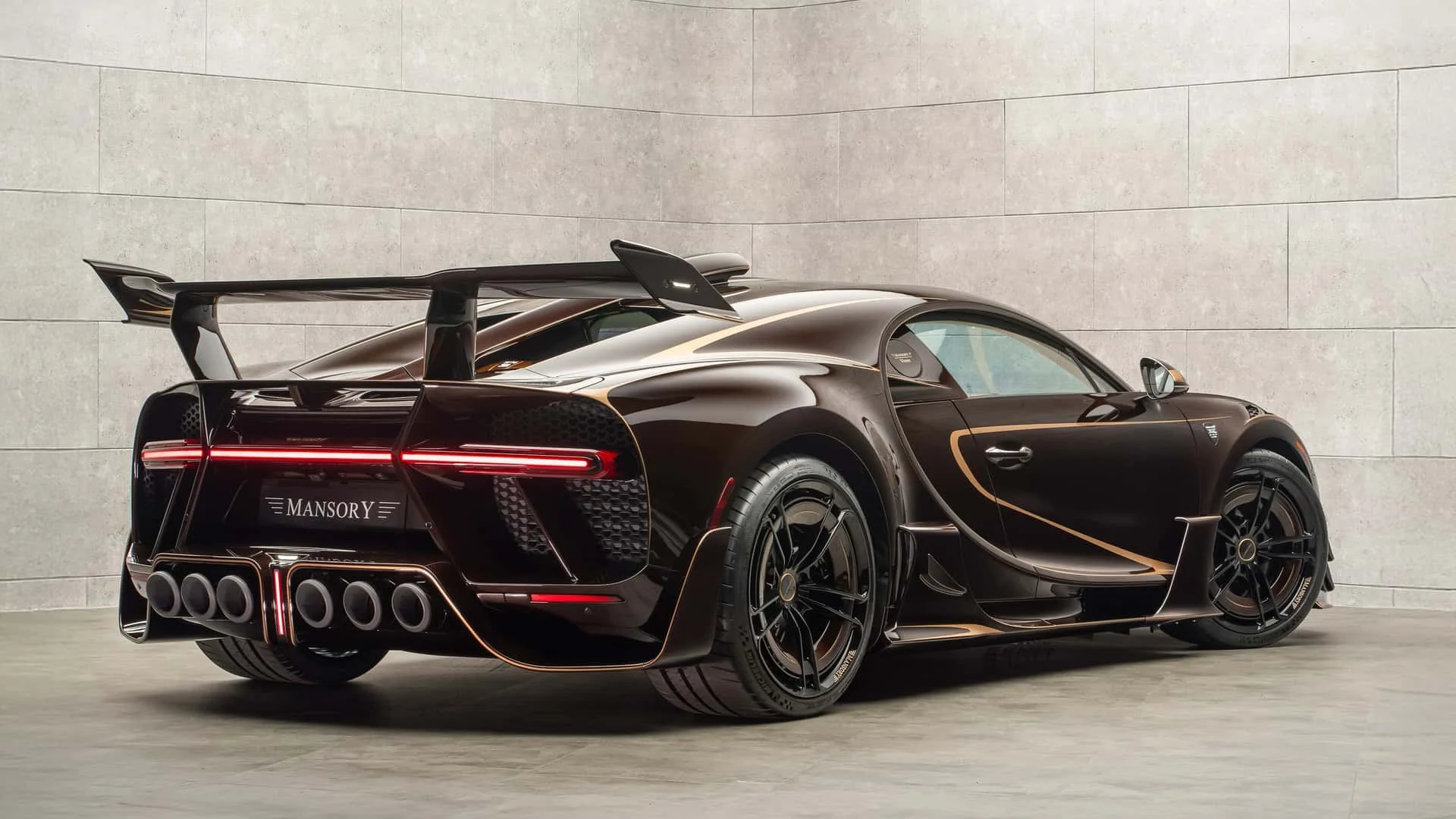
Bugatti Chiron загварыг үндэс болгосон Mansory Vivere нь бор болон алтлаг өнгөний хослол бүхий гаднах засалтайгаараа онцлог юм. Энэхүү загварт мөн нүүрстөрөгчийн эслэг эд ангиуд болон тусгай хийцийн дугуйнуудыг ашигласан бөгөөд интерьерийн хувьд Vincero загвартай ижил төстэй тансаг шийдлийг сонгожээ.
Mansory компани эдгээр хоёр гипер автомашиныг цувралаар үйлдвэрлэхгүй бөгөөд зөвхөн захиалгат нэг нэг хувь болон үлдэх юм. Хэдийгээр автомашины хүчин чадлын талаар албан ёсны тодорхой мэдээлэл гараагүй ч хоёр загвар хоёулаа нэг сая ам.доллароос дээш өртөгтэй байна.
Дэлгэрэнгүйг эх сурвалжаас харах
↓Эх сурвалжийг нээх ↓
Mansory has done it again and taken the cover off two stunning one-off Bugatti hypercars as part of the Pebble Beach festivities.
The German car tuners and modifiers have become highly regarded for some truly out-of-this-world creations over the years.
Pebble Beach is the perfect occasion, then, for a new reveal, this time taking the Bugatti W16 Mistral and the Chiron as the starting points.
We know Mansory loves to go wild, but we think these two cars are some of the wildest they have ever produced.
The Vincerò is based on the Bugatti W16 Mistral
Taking the Bugatti W16 Mistral as its basis is the stunning Mansory Vincerò.
The company has done a lot of revisions ot the car, including new tinted exposed carbon fiber bodywork components.
There are new and updated aerodynamic elements across the car too, and added to the mix are the car’s stunning forged wheels.
Forged wheels are a staple part of nearly every one of the tuner’s projects.
The tuning house says that all the add-on components were adapted to the original body shape of the donor Mistral.
Inside, there are other changes too.
The leather interior has new materials, and we can see new carbon fiber surfaces and some beautiful trim pieces.
All of these are fitted by hand at Mansory.
The Mansory Vivere refreshes the Bugatti Chiron
The second hypercar showed off at Pebble Beach was the Mansory Vivere.
This is based on the Bugatti Chiron, and it is equally mesmerizing to look at as the Vincerò.
Finished in a brown and gold livery, the Vivere also uses carbon fiber components across the bodywork.
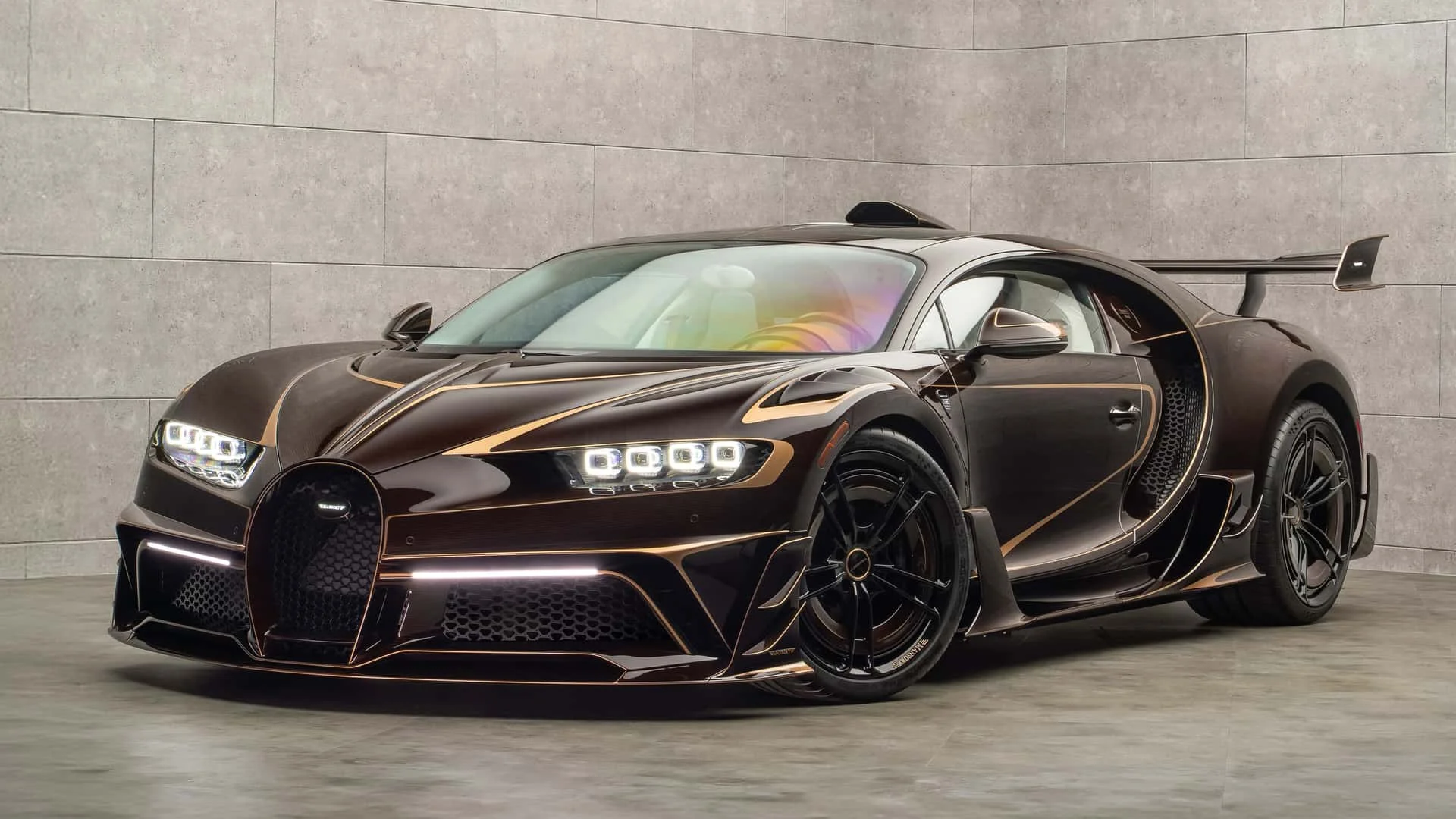
Again, forged alloy wheels feature on the Vincerò, which look just as good as those on the Vivere.
Step inside and you will see an interior redesigned in a similar way to the W16 Mistral hypercar.
Custom leather and new carbon fiber elements adorn the cabin.
Custom Mansory embroidery features in both cabins to remind you who upgraded your monster hypercar.
According to the company, these two cars will not go into production.
In fact, it aims to keep both cars as one-offs, aimed at showing how far hypercar customization can go.
Has the power been upgraded on the hypercars?
It doesn’t always, but the company does sometimes upgrade the power of the cars it produces.
In this case, however, there is no word from the company that they have done so.
Extra power is subtly teased in the announcement of the two cars, suggesting we may have a slight increase.
Due to the one-off nature of the two Bugattis, the company also hasn’t revealed any pricing for the two.
Given that both hypercars already cost over $1 million each, we can’t imagine these being bargains of the century.
What we can say, though, is that both hypercars are truly within the spirit of what has made Mansory so famous.
Mansory timeline
1989: Kourosh established the tuning firm in Munich, initially focusing on British luxury marques like Rolls-Royce and Bentley
2001: Operations relocated from Munich to a specialized production facility in Brand, Germany
2007: The business acquired the Porsche-tuning division from Swiss company Rinspeed AG to broaden its vehicle lineup
2009: Showcased the Cyrus, a heavily upgraded Aston Martin DB9 boasting extensive carbon fiber enhancements
2012: Unveiled the Carbonado, a radically customized Lamborghini Aventador featuring a stripped-down weight and upgraded performance
2014: Debuted the Carbonado GT at the Geneva Motor Show, pushing the Aventador engine output to a staggering 1,600 horsepower
2020: Launched the highly exclusive Le MANSory Ford GT to celebrate a 30th anniversary with only three units built
Present: Employs over 250 skilled artisans to craft bespoke carbon fiber components and premium upholstery entirely in-house


