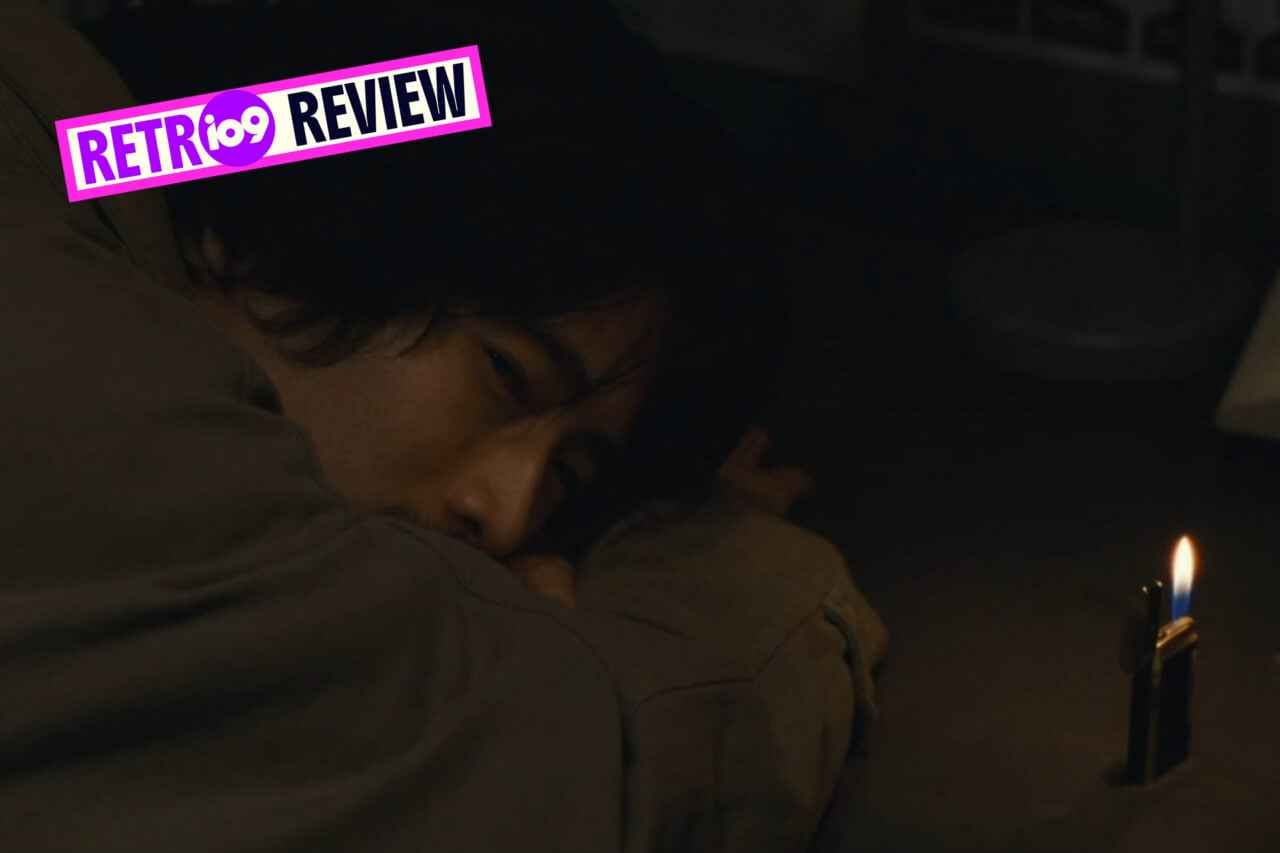
Сэтгэл зүйн триллер жанрын онцгой бүтээл гэгддэг уг киног өдгөө Prime Video болон Criterion Channel платформ дээрээс үзэх боломжтой юм.
1997 онд нээлтээ хийсэн “Cure” кино нь найруулагч Киёши Күросавагийн карьерын оргил бүтээлүүдийн нэгд зүй ёсоор тооцогддог. Кожи Якушогийн бүтээсэн мөрдөгч Такабэгийн дүр болон Масато Хагиварагийн амилуулсан нууцлаг Мамия нарын сөргөлдөөн нь уг киноны гол цөм болж, үзэгчдийг айдас, түгшүүрийн мэдрэмжид автуулдаг. Кино нь хүн төрөлхтний мөн чанар болон гэмт хэрэг үйлдэхэд хүргэх сэдлийн талаар гүн гүнзгий асуултуудыг дэвшүүлснээрээ өнөөдрийг хүртэл үнэ цэнээ алдаагүй байна.
Киёши Күросавагийн найруулсан “Pulse” болон “The Samurai and the Prisoner” зэрэг бүтээлүүдийн адил “Cure” нь дүрслэл, уур амьсгалын хувьд өвөрмөц шийдэлтэй. Киноны үйл явдал нь сэтгэцийн өвчтэй эхнэрийнхээ асуудал болон цуврал аллагыг мөрдөх хоёрын дунд хавчуулагдсан мөрдөгчийн сэтгэл зүйн нуралтаар дамжин өрнөдөг.
Шүүмжлэгчид болон үзэгчдийн зүгээс уг бүтээлийг аймшгийн киноны төрөлд байнга эргэн харж, шинээр нээхүйц, цаг хугацааны шалгуурыг давсан сонгодог жишиг хэмээн үнэлдэг. Киноны төгсгөл нь үзэгчдийг тодорхой хариултгүйгээр үлдээж, дахин дахин эргэцүүлэн бодоход хүргэдгээрээ онцлог юм.
Дэлгэрэнгүй эх сурвалжийг харах
Эх сурвалжийг нээх ↓
I doubt Kiyoshi Kurosawa realized when he released Curein 1997 that he had forever changed cinema. Yet its operatic convergence of career-defining performances, crisp cinematography, and an oppressively haunting story is exactly what makes it a timeless gem, forever serving as a benchmark to measure the mettle of films.
On paper, Cure‘s story doesn’t do anything out of the box compared to the yarns writer-directors—Kiyoshi included—have spun before. A guy thrown into a case that slips into the supernatural is as recognizable in horror and crime cinema as a crucifix in the wild. Its tale follows Takabe (Koji Yakusho), an exasperated detective with too much going on at home with his missus, Fumie (Anna Nakagawa).
On top of his bubbling frustration with making accommodations for his wife’s schizophrenia, Takabe is tasked with solving a bewildering string of grotesque murders where the perpetrators don’t remember committing a thing. And when I say grotesque, I’m talking practical makeup effects that had me asking how the hell he even did that while recoiling into my couch at the sight of its glints of body horror. Not satisfied with the notion that “the devil made them do it,” Takabe considers something not of this world being at play. All roads lead Takabe to Mamiya (Masato Hagiwara), the enigmatic epicenter of his discontent, who pedantically plays in his face and threatens to push Takabe into a mesmerizingly similar bout of insanity.
What makes Cure such an undeniable film in the pantheon of horror is that it’s so attuned to how deeply uncomfortable and unnerving it is to watch, and it delights in long takes that let its tension marinate, with its actors absolutely chewing the scenery. The sheer magnitude of Yakusho and Hagiwara’s performances puts the film on a caustic collision course, compelling you to check the dark corners of your room to make sure the supernatural elements at play don’t spill from your screen into your living room. The heart of their dynamic can be summed up as an otherwise laughable one between a parent at the edge of their patience and a petulant child pushing their luck, throwing questions back at them instead of deigning to give them a straight answer to why they did a bad thing.
Granted, that bad thing is compelling folks to gruesomely eviscerate random citizens and leave behind an “X” on their throats. Even when all the pledge, turn, and prestige of how Miyami has been wreaking havoc through uniquely mesmerizing supernatural flutters are revealed, their lampoonish, verging-on-anachronism dynamic pushes the film’s tension to meteoric levels that linger long after its credits roll.
And that’s not even mentioning the stolen valor of Miyami not being recognized as one of the founding fathers of charismatic horror icons donning comfy, high-thread-count sweaters.
Kurosawa has made a career out of making interesting films, the likes of which include the equally creepy internet-laden Pulse and the feudal whodunnit The Samurai and the Prisoner. Cure stands the test of time as less a movie to put on, be entertained by, and move on from and more like a core memory that, once experienced, you can’t help but reminisce over, revisit, and discover a new detail in.
Whether it’s an inflection point in the fate of its detective—his sanity fraying as the cost of throwing himself, and everything he holds dear, into a case bent on self‑destruction—or whether its sheepish, Zippo‑lighter‑flicking prime suspect has more simmering beneath the surface than anarchistic pedantry, like Miyami, Cure refuses to offer a straight answer. Instead, its nuanced ending compels you to dig deeper, to scrub back through the film in search of any glint of meaning you might’ve missed. Every time I’ve done so, I’ve found something new to admire in a film I already hold in high esteem. Granted, much of that reflection comes after I’ve finished practically swooning at Kurosawa’s eye for depicting the most dreamlike sequences of inescapable futility and loneliness before my brain starts to hum about what it all means beyond a killer mood and atmosphere.
Cure is as deserving of the distinction of absolute cinema in the horror genre, not just because of its director, who arguably peaked by leaving it all on the table to tell a psychological horror crime thriller with few equals, but also because of how it effortlessly decimates both characters and audiences alike by asking the horrific question of who we really are and if we would commit unspeakable crimes if given permission.
Cure is available to watch on Prime Video and on Criterion Channel.
Want more io9 news? Check out when to expect the latest Marvel, Star Wars, and Star Trek releases, what’s next for the DC Universe on film and TV, and everything you need to know about the future of Doctor Who.


