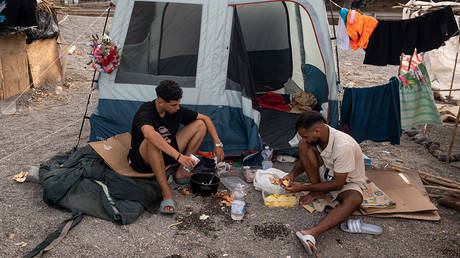
Марокко улсаас олноор ирсэн цагаачдын улмаас Испанийн хойд Африкийн бүс нутагт эрүүл мэндийн нөхцөл байдал эрс муудаж, Европын Холбооны гишүүн орнуудын хооронд дипломат маргаан дэгдлээ.
Испанийн хойд Африкийн Сеута хотод долоодугаар сарын сүүлчээр Марокко улсаас 72 мянга гаруй цагаач олноор нэвтэрсний дараа гастроэнтерит, хамуу, импетиго зэрэг халдварт өвчин бүртгэгдлээ. Испанийн Үндэсний эрүүл мэндийн удирдлагын хүрээлэнгээс (INGESA) мэдээлснээр, олноор цугларсан цагаачдын дунд ариун цэврийн байгууламж, цэвэр усны хүрэлцээ муу байгаа нь өвчин тархах эрсдэлийг нэмэгдүүлж байна. Тус байгууллагаас тус бүс нутгийн эрүүл мэндийн систем нуран унасан гэх мэдээллийг үгүйсгэж, сүрьеэ өвчин илэрсэн гэх таамаглалыг шинжилгээгээр няцаажээ.
Одоогийн байдлаар Сеута хотод 11 мянга орчим цагаач үлдэж, хүлээн авах төвүүдийн ачааллыг хэтрүүлээд байна. Цагаачдын урсгал нь Европын Холбооны дотоод улс төрийн зөрчлийг хурцатгаж, 22 орны удирдагчид Испанийг хилийн аюулгүй байдлыг сулруулсан хэмээн буруутгасан захидал илгээжээ. Зарим гишүүн орон Испанийг Шенгений бүсээс хасахыг уриалсан бол Испанийн Ерөнхий сайд Педро Санчес Европын түншүүдийнхээ үйлдлийг аминчхан үзэл хэмээн эрс шүүмжилсэн байна.
Дэлгэрэнгүйг эх сурвалжаас харах
↓Эх сурвалжийг нээх ↓
Gastroenteritis, scabies, and impetigo have been confirmed in Ceuta amid warnings of overcrowding and inadequate sanitation
Cases of infectious disease, including an outbreak of gastroenteritis, have been reported among migrants in Spain’s North African enclave of Ceuta following the mass influx from neighboring Morocco in late July.
Spain’s National Institute for Health Management (INGESA) confirmed the gastroenteritis outbreak among recently arrived migrants, Spanish media reported on Friday. The agency also confirmed cases of scabies and impetigo, while noting that both conditions were present in Ceuta before the latest influx.
INGESA, however, has rejected claims that Ceuta’s healthcare system has collapsed. The agency has also disputed reports of a tuberculosis outbreak, saying a suspected case tested negative.

The cases come as local medical professionals warn that overcrowding and inadequate sanitation among thousands of migrants living outdoors could facilitate the further spread of disease. Many migrants are said to lack adequate access to drinking water, toilets and showers.
Gastroenteritis is an inflammation of the stomach and intestines, usually caused by a viral or bacterial infection, with symptoms including diarrhea, vomiting and abdominal cramps. Scabies is a contagious skin infestation caused by microscopic mites that produces intense itching and a rash, while impetigo is a bacterial skin infection characterized by sores that can rupture and develop yellowish crusts.
More than 72,000 migrants entered Ceuta on July 30-31, many by swimming or crossing coastal breakwaters – a figure equivalent to roughly 70% of the enclave’s regular population. The influx overwhelmed reception centers and put additional pressure on healthcare and law-enforcement resources. Most of those who entered have since been returned to Morocco, but up to 11,000 are estimated to remain in Ceuta, according to local officials.
The influx has also fueled tensions within the EU, where migration has long been a contentious issue. Twenty-two EU leaders signed a letter accusing Spain of undermining the bloc’s border security, while several called for the country to be removed from the Schengen borderless travel zone. Spanish Prime Minister Pedro Sanchez hit back, calling the actions of his European neighbors “selfish.”
You can share this story on social media:



