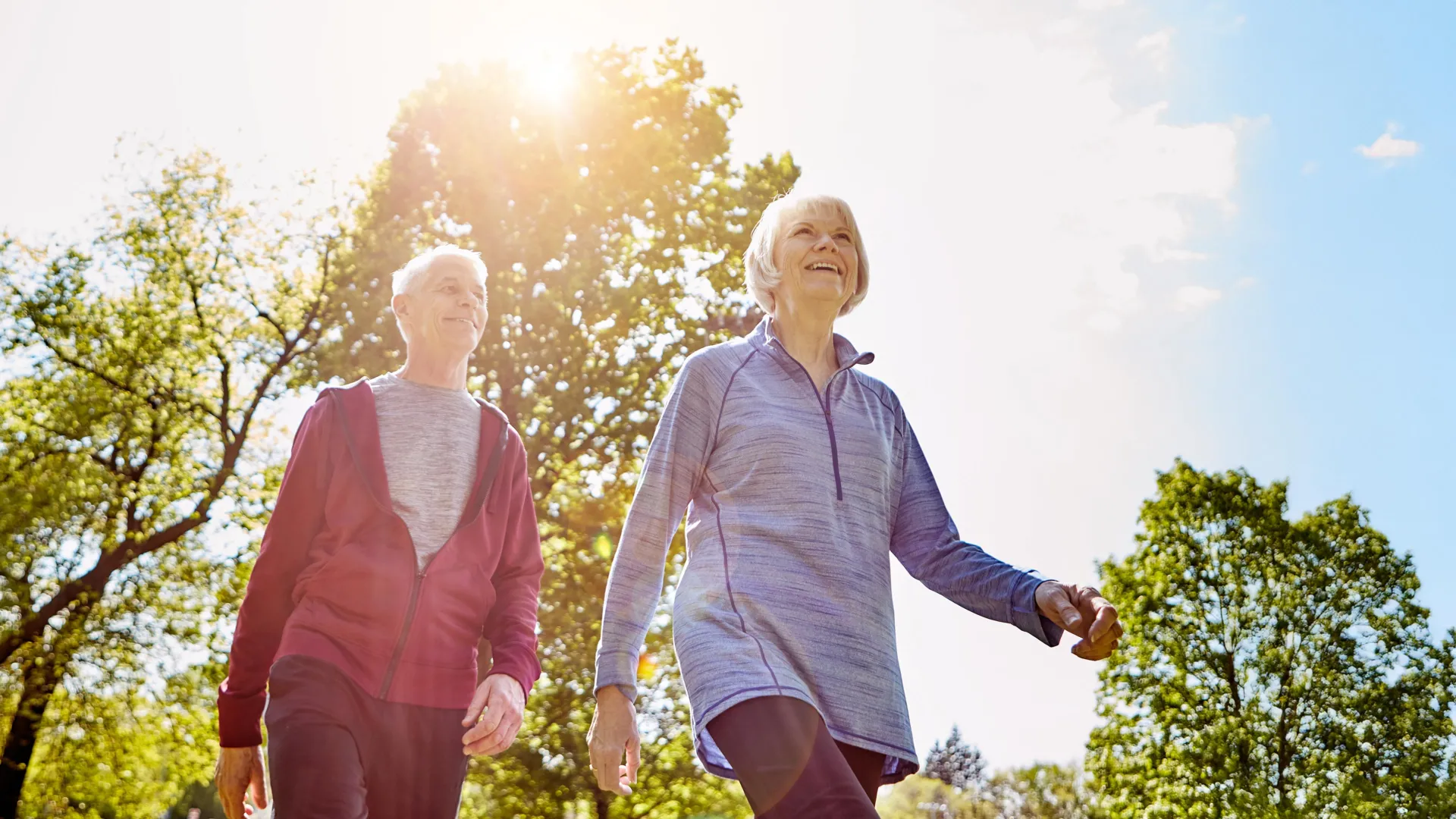
Австралийн судлаачид хөгшрөлтийн явцад бие махбод хөдөлгөөний үр ашгийг бууруулж, тогтвортой байдлыг илүүд үздэг “аюулгүй байдал нэн тэргүүнд” стратегийг баримталдаг болохыг тогтоожээ.
Flinders University болон University of Canberra-ийн судлаачид 26-86 насны 107 эрүүл насанд хүрэгчдийн хөдөлгөөний өгөгдөлд дүн шинжилгээ хийсэн байна. Судалгаагаар нас ахихын хэрээр шагайн үе болон түүнийг тойрсон булчингуудын ажиллагаанд тодорхой өөрчлөлт гардаг болох нь илэрчээ. Энэхүү өөрчлөлт нь хөдөлгөөний үр ашгийг бууруулж, алхааг илүү хүндрэлтэй болгодог байна.
Судалгааны ахлах зохиолч, доктор Коди Линдсейгийн тайлбарласнаар, ахимаг насны хүмүүсийн мэдрэлийн систем нь тэнцвэрээ хадгалахын тулд шагайн үений эсрэг чиглэлтэй булчингуудыг нэгэн зэрэг ажиллуулдаг байна. “Co-contraction” хэмээн нэрлэгддэг энэхүү үйл явц нь шагайн үеийг илүү чангаруулж, тогтвортой байдлыг сайжруулдаг боловч булчингийн ачааллыг нэмэгдүүлж, урагш чиглэсэн хүчийг сулруулдаг ажээ. Үүний улмаас алхаа богиносож, хурд удааширдаг байна.
Энэхүү “аюулгүй байдал нэн тэргүүнд” хандлага нь тогтвортой байдлыг хангахад туслах боловч хурдан ядрах, хол зам туулахад хүндрэлтэй болох, бүдэрч унах эрсдэлийг нэмэгдүүлэх зэрэг сөрөг талтай. Судлаачдын үзэж байгаагаар, хөдөлгөөний энэхүү өөрчлөлт нь хүний бие даасан байдал болон өөртөө итгэх итгэлд нөлөөлдөг.
Судалгааны баг хөгшрөлтийн явцад хөдөлгөөний чадвараа хадгалахын тулд зөвхөн булчингийн хүчийг нэмэгдүүлэх бус, харин тэнцвэр, зохицуулалт болон булчингуудын хамтын ажиллагааг сайжруулах дасгал сургуулилтад анхаарахыг зөвлөж байна. Тай чи (tai chi) зэрэг дасгал, доод мөчдийн дасгалууд нь ахимаг насны хүмүүсийн хөдөлгөөний идэвхтэй байдал, бие даасан байдлыг удаан хугацаанд хадгалахад туслах боломжтой юм.
Дэлгэрэнгүйг эх сурвалжаас харах
↓Эх сурвалжийг нээх ↓
New Australian research is shedding light on why walking often becomes slower and more tiring with age. The findings suggest that the body gradually gives up some movement efficiency in favor of staying stable and upright.
Led by researchers at Flinders University and the University of Canberra, the study found that aging is associated with a “safety-first” walking strategy. This approach emphasizes stability instead of speed and energy efficiency, helping explain why older adults may fatigue more quickly and also face a greater risk of falling.
Researchers analyzed movement data from 107 healthy adults between the ages of 26 and 86. They found small but meaningful age-related differences in how the ankle and nearby muscles manage each step.
How the Ankle Changes With Age
Lead author and sport and exercise technology expert Dr. Cody Lindsay says the ankle is essential for maintaining balance while also helping propel the body forward.
“As we get older, the body starts to favor stability over efficiency,” says Dr. Lindsay, from the Flinders Caring Futures Institute.
“That helps keep us upright, but it also makes walking more of an effort.”
The researchers found that older adults are more likely to activate opposing muscles around the ankle at the same time. This pattern is known as co-contraction. It makes the ankle joint stiffer and can improve stability when the foot contacts the ground.
However, Dr. Lindsay says this comes at a cost.
“Stiffening the joint makes walking safer, but it also means the muscles are working harder without generating as much forward movement,” he says.
Older participants also generated less push-off power with each step. As a result, their strides were shorter, and their walking speeds were slower.
A Safety First Strategy for Walking
Co-author Associate Professor Maarten Immink says the findings point to a wider change in the way the body manages movement as people grow older.
“The nervous system adopts a safety-first approach, compensating for age-related changes by favoring stability over performance,” says Associate Professor Immink, Lead of the Active Lives Research Program within the Caring Futures Institute at Flinders University.
“These changes can also increase fatigue and make walking longer distances more challenging, while reducing the ability to recover from trips or slips — a key factor in falls among older adults.”
“Even gradual changes can affect confidence and independence, and people may notice they tire more quickly or feel less steady, especially on uneven ground.”
Exercise May Help Preserve Mobility
The findings also suggest possible ways to help people maintain mobility as they age.
Rather than focusing only on building strength, the researchers say exercise programs should also emphasize balance and coordination while paying attention to how different muscles work together during each step.
“For older Australians, simple actions can make a difference, including regular physical activity, balance exercises such as tai chi, lower-leg strengthening and activities that challenge coordination,” says Dr. Lindsay, from Flinders’ College of Health and Enablement.
“Staying active is one of the most important things people can do, and small, consistent exercises can help you stay confident, mobile and independent for longer.”
The researchers hope these findings can contribute to improved prevention and rehabilitation strategies designed to reduce falls and support healthy aging.


