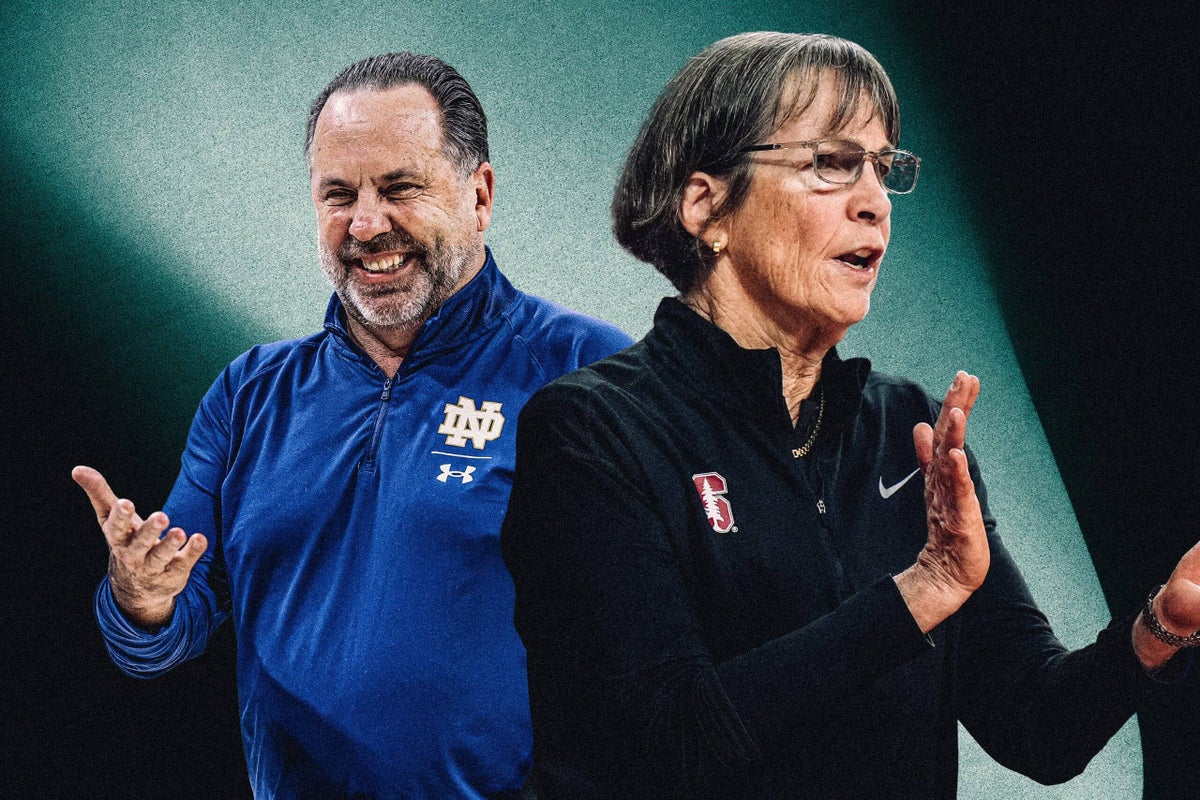
Спортын 11 шилдэг дасгалжуулагч багаа удирдан чиглүүлэхэд шаардлагатай хамгийн гол чадваруудын талаар өөрсдийн туршлагаа хуваалцжээ.
Тара ВанДервеер, Муффет МакГроу зэрэг сагсан бөмбөгийн алдрын танхимын дасгалжуулагчид болон бусад спортын мэргэжилтнүүд удирдагчийн хувьд шударга байдал, ил тод байдал нь багийн амжилтын үндэс гэдгийг онцолсон байна. Тэдний үзэж буйгаар тоглогчдын үүрэг хариуцлагыг тодорхой болгож, хүлээлтээ нээлттэй ярилцах нь багийн гишүүдийн хооронд итгэлцэл бий болгодог аж.
Атланта Хоукс багийн туслах дасгалжуулагч Майк Брей болон бусад мэргэжилтнүүд сонсох чадварыг удирдагчийн нэн чухал ур чадвар гэж тодорхойлжээ. Тоглогчдоо сонсож, тэдний үзэл бодлыг хүндэтгэх нь багийн дотоод уур амьсгалыг сайжруулж, хүнд хэцүү сорилтуудыг даван туулах итгэлийн хөрөнгийг бий болгодог байна.
Маркетт их сургуулийн сагсан бөмбөгийн дасгалжуулагч Шака Смарт болон Орландо Мэжик багийн дасгалжуулагч Шон Свини нар нөхцөл байдлыг мэдрэх, дасан зохицох чадварын ач холбогдлыг онцоллоо. Удирдагч хүн цаг үеийн нөхцөл байдалд тулгуурлан шийдвэр гаргаж, багийн гишүүдээ нэг зорилгын дор нэгтгэх нь хамтын амжилтад хүрэх гол түлхүүр болдог гэж тэд үзэж байна.
Дэлгэрэнгүй эх сурвалжийг харах
Эх сурвалжийг нээх ↓
Peak newsletter 🧠 | This is an excerpt from The Athletic’s weekly newsletter covering the mental side of sports. Sign up hereto receive the Peak newsletter directly in your inbox.
Last week, we asked 11 elite athletes from different sports one question: What is the single most important trait for a leader to have?
This week, we asked the same question to 11 top coaches from different sports, including:
- Two Hall of Fame women’s basketball coaches (Tara VanDerveer and Muffet McGraw)
- a World Series champion (Joe Maddon)
- and a Super Bowl champion (Bruce Arians).
College and pro coaches are tasked with managing egos, developing young athletes and leading different personalities and goals in the same unified direction.
In some ways, it’s a masterclass in people management.
Integrity
Tara VanDerveer, former Stanford women’s basketball coach: When I was coaching the Olympic team, sometime in June, our team just was feeling a lot of pressure, but practice was not going very well at all.
I told Carol Callan, who was the director, “We need to send everyone home.” I just felt that, and she said, “If that’s what you think we need to do, let’s do it.”
I was making a decision that was, I think, in the best interest of the team at the time. (Callan) was trustworthy, and she trusted me, and I trusted her, and I think we got better results because of that.
We had to do things that were best for the team. And when you have integrity, you do things that are best for everyone, not just yourself.
Steadiness in any environment
Caron Butler, Miami Heat assistant coach: True leadership has to show and feel steady because you’re always going to be tested in competition.
You want your leader to be steady, and you want your leader to be confident without having to say they’re confident. You’ve got to be able to visually see that and feel that.
That makes everyone else more confident. When you have a leader that rattles under pressure, it makes you wonder: Do you abort or do you stay on?
When you have a steady leader, no matter what happens, the mission is still the mission, and we’ve got to try to still complete it.
Empathy
Brayan Peña, minor-league baseball coach: When leaders understand the people they serve and their perspectives, their needs and their challenges, they build trust. They make better decisions, and they help others perform at their best.
Adaptability
Sean McDermott, former Buffalo Bills coach: For me, a big example was the night Damar Hamlin was critically injured. Everything changed in one horrifying moment.
The question I asked myself that night — and every time the environment changes — is: How do we adjust to the situation based on what form of leadership is called for in that moment?
This especially applies when we’re dealing with people. No two people are the same, and as a result, we must work to meet the person where they are based on what they specifically need.
The final piece in this adaptability trait is the all-important awareness and discipline it takes for a leader to stay connected and remain true to their core values while being adaptable.
This NFL player believes ownership is most important for leadership
Elise Devlin
Being a good listener
Bruce Arians, former NFL head coach: If you’re listening, you’re confident. People that are not very confident don’t want to hear another voice, especially a different voice. I wanted many different types of voices around that I could listen to so that the collective was better.
People identify themselves when they’re talking. You learn a lot about people just by listening to them.
Mike Brey, Atlanta Hawks assistant and former Notre Dame coach: My administrative assistant (at Notre Dame) and I had a rule to get me off the phone and open my door for players. I wanted them to just swing through and sit down, and many times, it was never anything about basketball.
If you are listening, then they feel like, “Man, he cares.” And then you start to build up trust. So when you do have that tough conversation and come back and really challenge them, you’ve built up a lot of equity to do it.
Joe Maddon, former MLB manager: You really can’t help anybody else, and you can’t form a coalition unless you listen first. I think that’s where it begins and ends.
If you’re a great listener, I think a lot of other desirable qualities shoot off of that.
Patience
Ron Washington, former MLB manager: When you’re dealing with people, you have to have patience, and you have to be able to teach what you’re trying to get them to understand.
You look at any successful group, you’ll see the patience involved.
Awareness
Shaka Smart, Marquette men’s basketball coach: Awareness opens us up to pathways of learning and connecting and leading that we were previously ignorant to.
But the caveat is: Awareness isn’t a badge we earn. It’s something that’s always accessible to us, but we don’t access. It must be cultivated.
When we are at our lowest as leaders is when we are below a certain level of consciousness, leading us to make unconscious decisions. We’ve all been there.
Situational agility driven by contextual awareness
Sean Sweeney, Orlando Magic coach: As a leader, you have all these different situations come up, and you have to be ready to handle whatever arises. And then you also have to pick the course of action that you think is best, and you have to get all of these people on the same page.
Because at the end of the day, we’re trying to go somewhere together that none of us can go alone. As these situations arise, you’ve got to be agile and ready and prepared, and that’s all driven by the context you’re in.
You have the principles that you believe in, but when this specific situation arises, here’s how you have to apply those. Or in this situation, this principle applies more than this other one.
Transparency
Muffet McGraw, former Notre Dame women’s basketball coach: I thought the best thing that I did was set expectations with players. Sitting down with them, talking about, “What do you want your role to be? What are you going to work on to get there?”
They work over the summer, and we come back and say, “Here’s what I think your role is,” and then we talk in front of the whole team. “Here’s her role, here’s your role.”
Everybody knows what everybody else is doing.
I really think it made us more successful because there was such transparency. Like, she’s going to shoot more than you because she’s a better shooter.
I think players appreciate that. I think people want feedback. They want to be good. They want to know how they can be better. And I think we’re doing a disservice if we don’t tell them.
Accountability
Hines Ward, Arizona State assistant football coach: I was around some great coaches in Pittsburgh with Bill Cowher and Mike Tomlin, and the one thing that stood out with both of them was holding people accountable.
It just sets the standard. No matter if you’re the best player on the team or the worst player on the team, what’s right is right and what’s wrong is wrong.
You did it by really attacking the habits during the week. The habits you put into the week don’t determine the outcome of games, but they give you a legit shot if you focus on them on a day-to-day basis.
— Rustin Dodd contributed reporting.


