NBA-ийн түүхэн дэх хамгийн үнэ цэнтэй баг болох Лос Анжелес Лэйкерсийг Боб Игэр болон Жош Кушнер нарын хөрөнгө оруулагчид худалдан авахаар тохиролцоонд хүрч байгаа талаар мэдээллээ.
Лос Анжелес Лэйкерс багийг 1979 онд 16 сая ам.доллараар худалдан авч байсан бизнесмэн Жерри Басс 2013 онд таалал төгсөх хүртлээ тус багийг удирдаж, “Шоутайм” эринийг бүтээсэн билээ. Түүнийг нас барах үед багийн үнэлгээ 1 тэрбум ам.доллар байсан бол өдгөө 12.5 тэрбум ам.долларт хүрээд байна. Одоогийн байдлаар тус хэлэлцээг NBA-ийн Удирдах зөвлөлөөр батлуулах шаардлагатай байгаа бөгөөд Бассын гэр бүлийн гишүүд өөрсдийн эзэмшиж буй 17.8 хувийн хувьцааг зарах эсэх дээрээ санал зөрөлдөж байна.
Энэхүү худалдан авах ажиллагаа нь 2025 оны зургаадугаар сард Марк Уолтер болон Тодд Боэли нарын 10 тэрбум ам.доллараар худалдан авсан багийг ердөө 14 сарын дараа дахин борлуулж буй явдал юм. NBA-ийн зүгээс 2022 оноос эхлэн хувийн хэвшлийн хөрөнгө оруулалт, хөрөнгө оруулалтын сангуудыг лигт нэвтрүүлэхийг зөвшөөрсөн нь спортын салбарыг технологийн салбартай адилтган хөрөнгө оруулалт хийх боломжийг нээж өгсөн.
Жош Кушнерийн үүсгэн байгуулсан “Thrive Capital” фирмийн “Thrive Eternal” охин компани нь технологийн бус, уламжлалт болон соёлын үнэт зүйлсийг хадгалсан хөрөнгөд хөрөнгө оруулалт хийх зорилготой аж. Ийнхүү NBA-ийн багууд уламжлалт гэр бүлийн өмчлөлөөс гарч, хөрөнгө оруулагчдын санхүүгийн хамгаалалт болон ашиг олох хэрэгсэл болж хувирч байна.
Дэлгэрэнгүй эх сурвалжийг харах
Эх сурвалжийг нээх ↓
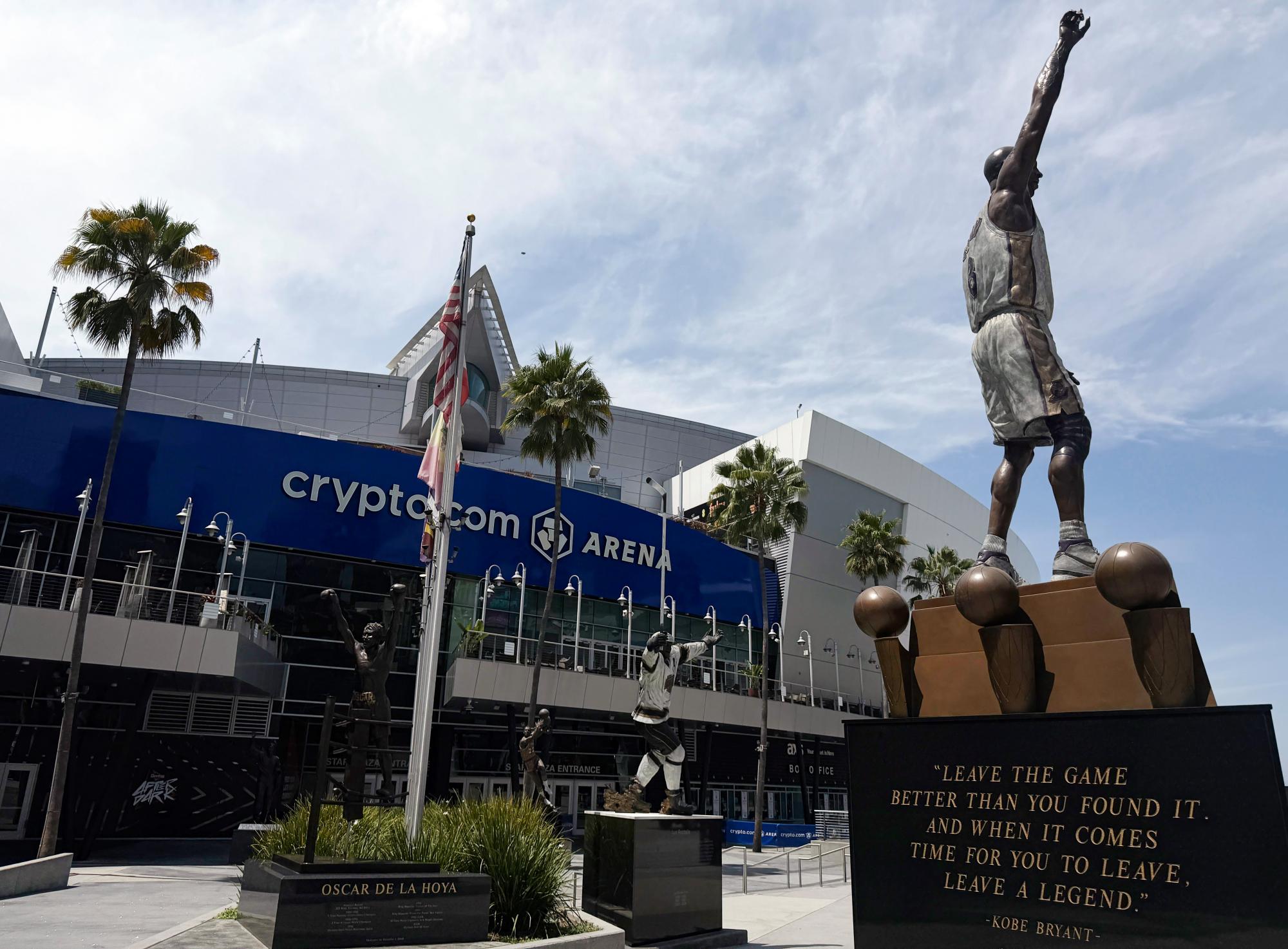
For years, the NBA was built on the alliance of patient money and marketing pizzazz, and no team captured that curious mixture better than the Los Angeles Lakers. Through Showtime in the 1980s and the dominance of the Shaq-Kobe years, the Lakers became the benchmark for a league and a sport intent on global conquest: charismatic, ambitious, and flashy, a sporting-cultural amalgam in which athleticism and celebrity held equal rank. Through careful front office recruitment, savvy coaching, and the harnessing of Hollywood’s star power, the Lakers evolved from a team into a “brand,” establishing a template that virtually every other outfit in the NBA has felt compelled to mimic in the years since. But the razzle-dazzle on the court – the Laker Girls, Magic flinging no-look passes, Shaq smashing the glass, Jack Nicholson smiling his Joker smile in the front row, all eyebrows and mischief – depended on a far more staid and stable arrangement off it. Real estate investor Jerry Buss bought the Lakers for $16m in 1979, and remained the majority owner until his death in 2013, when his children assumed control of the franchise.
When Jerry Buss died, the Lakers were valued at $1bn. Now, the team looks set to be sold to former Disney CEO Bob Iger and venture capitalist Josh Kushner, the brother of Donald Trump’s son-in-law Jared, for $12.5bn. The sale is still under negotiation and will need to be approved by the NBA’s board of governors; the Buss siblings are also now bickering over whether to join the stampede and sell their minority 17.8% stake in the franchise to Iger and Kushner, which has added a subplot of Shakespearean family intrigue to proceedings. But in the likely event it goes through, the sale would make the Lakers the most valuable franchise in basketball. It would also signal an acceleration in private equity’s scramble to get its claws into the world of sport.
The disappearance of the patient old world of sporting capital that Jerry Buss once embodied can have no better advertisement than the fact that Iger and Kushner’s bid for the Lakers comes a little over a year after the franchise was sold to an entirely different set of private equity investors. Mark Walter and Todd Boehly announced their purchase of a majority stake in the Lakers at a valuation of $10bn in June 2025, with the Busses retaining a minority share in their family inheritance. Walter’s mooted disposal of this sporting crown jewel – for a tidy $2.5bn bump in the franchise valuation, of course – just 14 months after he took control of it symbolizes the arrival of a brash new era in US sporting investment. Today teams are flipped with the calculated emotionlessness that a real estate speculator might get rid of a block of cheaply renovated apartments, and the old ideas of heritage, tradition, family, and community that once bound the pro leagues’ owner dynasties to their teams are now mostly useful as a rhetorical device, rather than a set of values to respect in practice.
There are still teams in the NBA holding out against the tide of private money: the Indiana Pacers have been in the same (majority) hands since 1983, the Chicago Bulls since 1985. But many long-time owners are now spying the exit, which is understandable given the boom in franchise valuations: Mark Cuban, for example, sold his majority stake in the Dallas Mavericks in late 2023 after 24 years running the franchise. He now says he regrets the sale, but only, it seems, because the team has fared so poorly since his exit and he’s no longer as influential in basketball decisions; patient money may be draining away from the NBA, but the egos attached to it remain as large and self-adoring as ever.
The NBA opened up to institutional money – investment from private equity firms, hedge funds, venture capital funds, and the like – in 2022, the first big pro league in US sports to embrace the worldwide emergence of sport as an investible asset class like technology or construction. It makes a rough kind of sense, given the NBA’s status as first mover, that basketball is now at the forefront of a fresh intensification in the sports investment cycle. Iger and Kushner are wealthy, but they don’t exactly inhabit the Muskosphere. Iger, the veteran in the couple, was last estimated by Forbes as having a net worth of $690 million in 2019 – not bad, but that won’t even buy you a stadium half-court in the modern NBA. Iger and Kushner’s deal to buy the team will have to be structured in various tricky and byzantine ways – most likely as a consortium involving a number of individuals and firms, with finance coming via a mix of debt and cash – to get around their own comparative poverty and the restrictions the NBA places on institutional investment (in particular, the rule stating that no individual fund can hold more than 20% of a single team). But it’s clear that this type of deal, for this type of money, involving this type of investor, is precisely what the league wants. There’s more where this came from. The families are out; the sharks are in.
What exactly does private equity want from sport? “Good returns” may seem like the simplest answer, and when appraising the surplus a figure like Walter has been able to extract in a single year from the Lakers, it’s hard not to feel that’s also the best answer: this was also a year, let’s not forget, in which LeBron James left LA and the team went backwards as a basketballing proposition, while not faring much better in the commercial realm. If all that’s required these days to book a fat profit is to sit back, do nothing to arrest a team’s slide into mediocrity, then exit the scene, perhaps owning a professional sports team, especially a storied and prestigious one like the Lakers, really is the perfect modern investment.
Others have speculated that the rich guys’ (and it is almost always a guy stumping up the cash) newfound interest in sport is a bid for cultural relevance, a cry for attention and perhaps even love amid the vexed politics of extreme wealth in an age of populist rage. No doubt there’s some truth to that, too. But the typical sports investor of the future probably looks more like Josh Kushner than Elon Musk or Jeff Bezos, now perfecting his impersonation of a Scouse accent as he prepares to take a minority stake in Liverpool; the moneymen piling into the sector over the years to come will probably be dominated by mid-career financial guns rather than post-divorce billionaires looking to escape the boredom of their own personalities.
Kushner, according to most reports, is the driving force behind the Lakers deal – which represents a remarkable rebound just a few weeks after FIFA Forward Enterprise, the scheme he concocted with Gianni Infantino to create an outside investment-friendly subsidiary tasked with managing FIFA’s commercial operations, went up in flames. Kushner is the founder and managing partner of Thrive Capital, a VC firm that “builds and invests in internet, software, and technology-enabled companies,” according to its own website; the firm’s portfolio includes positions in OpenAI, Stripe, and Anduril – all Silicon Valley darlings. The investment in the Lakers will go through Thrive Eternal, a subsidiary of the main investment firm, which Kushner and his partners formed earlier this year in a ploy to diversify their portfolio beyond traditional tech. Thrive Eternal’s goal is to invest in “assets with qualities that cannot be replicated by technology,” the fund’s mission statement reads, including “iconic franchises and cultural institutions rooted in tradition, identity, and shared experience.” Buying up sports teams (the Lakers, for example) and even whole sporting institutions, as with the failed attempt to devour the World Cup, represents an important hedge against the vagaries of the US tech sector, which is now dangerously exposed to AI. America’s lunatic pursuit of a vandalizing technology no one wants is now responsible for the desecration of your beloved local basketball franchise. The team of Kareem and Kobe might be a lucrative investment in strict financial terms. But to the Kushners of the world, what the Lakers are, above all, is a hedge.
The old NBA of Jerry Buss was about making money, building dynasties, giving the fans a good time, and injecting sport with a slick of Hollywood glamor. The new NBA of Josh Kushner is about saving investor-owners’ bank balances from the consequences of their own poor decisions. Everything else in sport now is secondary to the basic imperative of investor enrichment and protection. Once the Lakers were Showtime; now they are Insurance Time.


