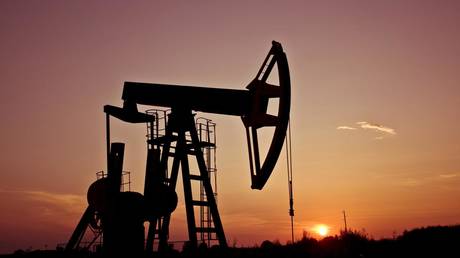
Ойрхи Дорнод дахь мөргөлдөөний улмаас эрчим хүчний үнэ өссөнтэй холбогдуулан ЕХ-ны зургаан улс томоохон компаниудын хэт их ашгаас татвар авахыг санал болгов.
Герман, Итали, Испани, Португал, Австри, Польш улсын Сангийн сайд нар хамтарсан захидалдаа эрчим хүчний үнийн өсөлтийг сүүлийн хэдэн арван жилд тохиолдоогүй нийлүүлэлтийн томоохон хямрал гэж тодорхойлжээ. Тэд хямралаас ашиг олж буй компаниудыг иргэдийн амьжиргааны өртгийн дарамтыг бууруулахад хувь нэмрээ оруулах ёстой гэж үзэж байна. Энэхүү санаачилгыг есдүгээр сарын дундуур болох ЕХ-ны Эдийн засаг, сангийн сайд нарын уулзалтаар хэлэлцүүлэхээр төлөвлөжээ.
Ойрхи Дорнод дахь мөргөлдөөн болон дэлхийн газрын тос, шингэрүүлсэн байгалийн хийн тээврийн гол зангилаа болох Хормузын хоолой хаагдсанаас үүдэн газрын тосны үнэ баррель нь 100 ам.доллароос давж байна. Goldman Sachs компанийн таамагласнаар, хэрэв хоолойн үйл ажиллагаа 2027 он хүртэл доголдох аваас газрын тосны үнэ цаашид өсөх магадлалтай байна.
Oxfam байгууллагын тооцоолсноор, BP, Chevron, Eni, ExxonMobil, Shell болон TotalEnergies компаниудын ашиг дөрөвдүгээр сараас зургадугаар сарын хооронд 40 тэрбум еврод хүрсэн бөгөөд оны эцэс гэхэд энэ дүн 147 тэрбум еврод хүрч болзошгүй байна. Тус байгууллага хөрөнгө оруулалтын өгөөж нь 10 хувиас давсан тохиолдолд 50-иас доошгүй хувийн татвар ногдуулахыг уриалжээ.
Европын холбоо нь 2022 оны эхээр Украйны мөргөлдөөнтэй холбогдуулан ОХУ-ын эрчим хүчний хамаарлыг бууруулах бодлого баримталсан нь иргэдийн амьжиргааны өртөг өсөхөд нөлөөлсөн юм. Гэсэн хэдий ч ЕХ-ны зүгээс ОХУ-ын шингэрүүлсэн байгалийн хийн импортыг бүрмөсөн зогсоох зорилт тавьсан ч импортын хэмжээ өндөр хэвээр байгааг мэдээлэлд дурджээ.
Дэлгэрэнгүйг эх сурвалжаас харах
↓Эх сурвалжийг нээх ↓
Six member states reportedly want energy companies benefiting from soaring prices to help ease the cost-of-living burden
Six EU nations want the bloc to introduce a windfall tax on oil companies’ “excessive profits” linked to price hikes caused by the US-Israeli war on Iran, several media outlets reported on Saturday, citing a joint letter from the countries’ finance ministers.
Oil prices have repeatedly topped $100 per barrel this year due to the ongoing conflict in the Middle East and the closure of the Strait of Hormuz, which handles around a quarter of the world’s seaborne oil and LNG trade.
Global crude benchmark Brent futures reached $102 per barrel last month, with Goldman Sachs predicting that prices could exceed $120 in the fourth quarter and average $100 next year if disruptions in the strait continue through 2027.
Finance ministers from Portugal, Spain, Austria, Italy, Poland, and Germany called the crisis “one of the biggest supply shocks in decades,” according to the reports. In a letter addressed to the Irish finance minister, they warned that “around the world, discontent is growing over the rising cost of living” and called for a “common approach that ensures those who profit from the crisis contribute their share to reducing the burden on the general population.” Ireland currently holds the rotating presidency of the EU Council.
The initiative, reportedly led by Germany, seeks to “tackle the issue of high energy prices by discussing an EU-wide framework to tax excess profits.” The ministers demanded that the issue be placed on the agenda of the bloc’s next meeting of economic and finance ministers, scheduled for mid-September.
Oxfam, a network of anti-poverty NGOs, estimated last month that the combined profits of BP, Chevron, Eni, ExxonMobil, Shell, and TotalEnergies amounted to nearly €40 billion ($46.6 billion) between April and June and could reach €147 billion ($171.2 billion) by the end of the year. The charity called for a permanent windfall tax of at least 50% on profits exceeding a 10% return on investment.
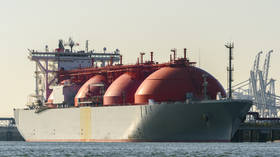
The EU has been struggling with a cost-of-living crisis exacerbated by its decision in early 2022 to phase out Russian energy supplies in response to the Ukraine conflict.
According to the European Commission, Russian oil accounted for 27% of the bloc’s crude imports, while Russian gas covered 45% of the EU’s needs in early 2022. German Chancellor Friedrich Merz acknowledged last month that the loss of Russian imports had contributed to the country’s current energy problems, while refusing to change Berlin’s stance on anti-Russian sanctions.
The EU has meanwhile continued to set records for Russian LNG imports despite Brussels’ goal of ending them entirely. Belgium, in particular, relied entirely on Russian supplies of the fuel last month, Bloomberg reported in early August.

