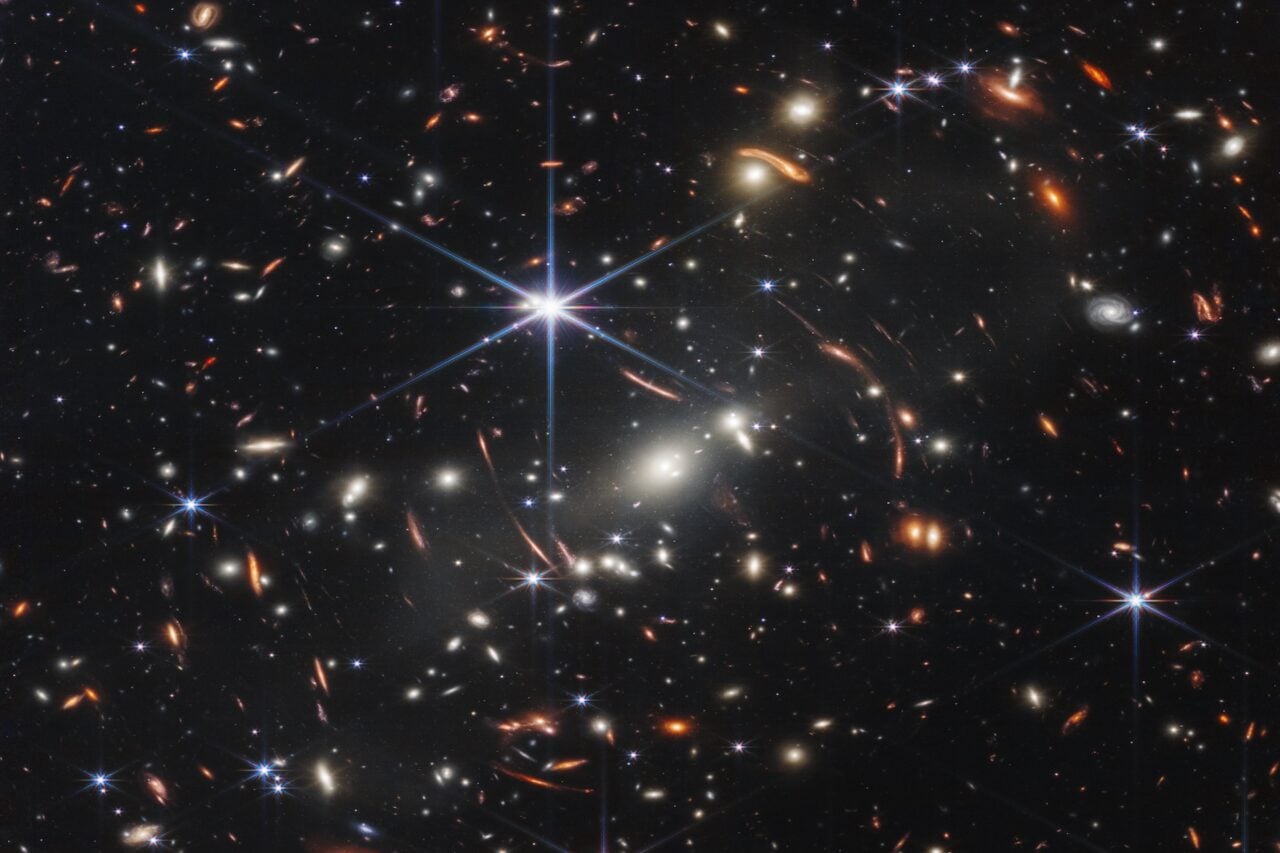
Одон орон судлаачид эртний аварга том галактикуудад өмнө нь ажиглагдаагүй олон тооны жижиг оддыг илрүүлснээр эдгээр галактик урьд төсөөлж байснаас ч илүү масстай болохыг тогтоожээ.
Nature Astronomy сэтгүүлд нийтлэгдсэн шинэ судалгаагаар, Их тэсрэлтээс хойш ердөө 500 сая жилийн дараа бүрэлдсэн эртний есөн том галактикийг судалжээ. Лейдений их сургуулийн судлаачид James Webb Space Telescope-ийн гүн спектрийн өгөгдөл болон дэлхий дээрх Very Large Telescope-ийн ажиглалтыг ашиглан галактик доторх тод болон бүдэг оддын харьцааг тодорхойлсон байна.
Судлаачид галактикийг хоттой зүйрлэвэл тод томруун одод нь алсаас харагдах тэнгэр баганадсан барилгууд, харин тэдгээрийн дунд нуугдсан олон тооны жижиг, бүдэг одод нь байшингуудтай адил болохыг тогтоожээ. Шинэ шинжилгээний техникүүдийн тусламжтайгаар эдгээр “сансрын аварга” галактикуудад урьдчилан таамаглаж байснаас ч олон тооны бага масстай одод нуугдаж байгааг илрүүлсэн байна.
Энэхүү нээлт нь эртний галактикуудын үүсэл болон орчлон ертөнцийн хувьслын талаарх өнөөгийн загваруудад томоохон сорилт болж байна. Тухайлбал, Их тэсрэлтээс хойш 1.5 тэрбум хүрэхгүй жилийн дотор үүссэн нэгэн галактик өмнө нь тооцоолж байснаас дөрөв дахин их масстай байж болзошгүйг судалгаа харуулжээ.
Эрдэмтдийн таамаглаж байснаар, эртний хамгийн том галактикууд нь жижиг галактикуудтай харьцуулахад илүү олон бага масстай оддыг агуулдаг аж. Энэхүү олон тооны жижиг одод нь олон тооны гариг эрхэс тойрон эргэх боломжтой орчин бүрдүүлдэг тул эртний орчлон ертөнцөд гариг үүсэлт өмнө нь бодож байснаас илүү өргөн хүрээтэй байсан байж магадгүй гэж судлаачид үзэж байна.
Дэлгэрэнгүйг эх сурвалжаас харах
Эх сурвалжийг нээх ↓
The Webb space telescope has helped astronomers peer into the distant cosmos, revealing a population of galaxies that had grown into their massive size within a mere 500 million years after the Big Bang. A closer look at those ancient galaxies suggests they may be even larger than previously estimated, challenging current models of the early universe.
In a study published last week in Nature Astronomy, researchers uncovered a previously hidden population of tiny, faint stars in the most massive galaxies of the early universe.
The new findings suggest those galaxies contained a lot more smaller stars than expected and are even more massive than scientists once thought.
Hidden stars
The team of researchers behind the new study examined nine massive galaxies that had stopped forming new stars billions of years ago. Using Webb’s deep spectra, combined with ground-based observations from the Very Large Telescope, the researchers sought to measure the amount of tiny, faint stars compared to giant, bright ones residing in those galaxies.
To do that, they observed the different spectrum of light emanating from the galaxies and looked for subtle differences in color. Bright stars tend to dominate the light, making observations of their smaller, faint counterparts much more challenging.
“If a galaxy were a city, the brightest stars would be the skyscrapers that immediately catch your eye from afar,” Chloe Cheng, a researcher from Leiden University and lead author of the study, said in a statement.
“We needed not only a telescope capable of magnifying very distant galaxies,” co-author Martje Slob, of Leiden University, explained, “but also spectra of exceptional quality and new analysis techniques to reliably detect the subtle signatures of faint, low-mass stars hidden within these cosmic titans.”
The team’s models revealed “a far more numerous population of low-mass stars is concealed by those rare, bright stars, like houses hidden between skyscrapers,” Cheng added. The results suggest that those galaxies are much more massive than previous estimates had predicted.
One galaxy in particular that had formed less than one and a half billion years after the Big Bang may be four times more massive than previously believed.
Galactic mystery
Scientists had previously assumed that stars form in equal proportions across the universe, but the new results revealed that the most massive galaxies in the early universe contained a much larger population of low-mass stars than smaller galaxies.
Since Webb first began observing the early universe, scientists learned that ancient galaxies were already much larger than their model had previously suggested. The new findings, therefore, have implications of our understanding of the early universe and how the most ancient galaxies formed.
“This result shows that much more mass than previously thought is hidden in low-mass stars,” Mariska Kriek, a researcher at Leiden University who led the research. “That has consequences for many areas of astronomy. For example, as many planets orbit low-mass stars, this could even indicate that more planets formed in the early universe than we had previously assumed.”


