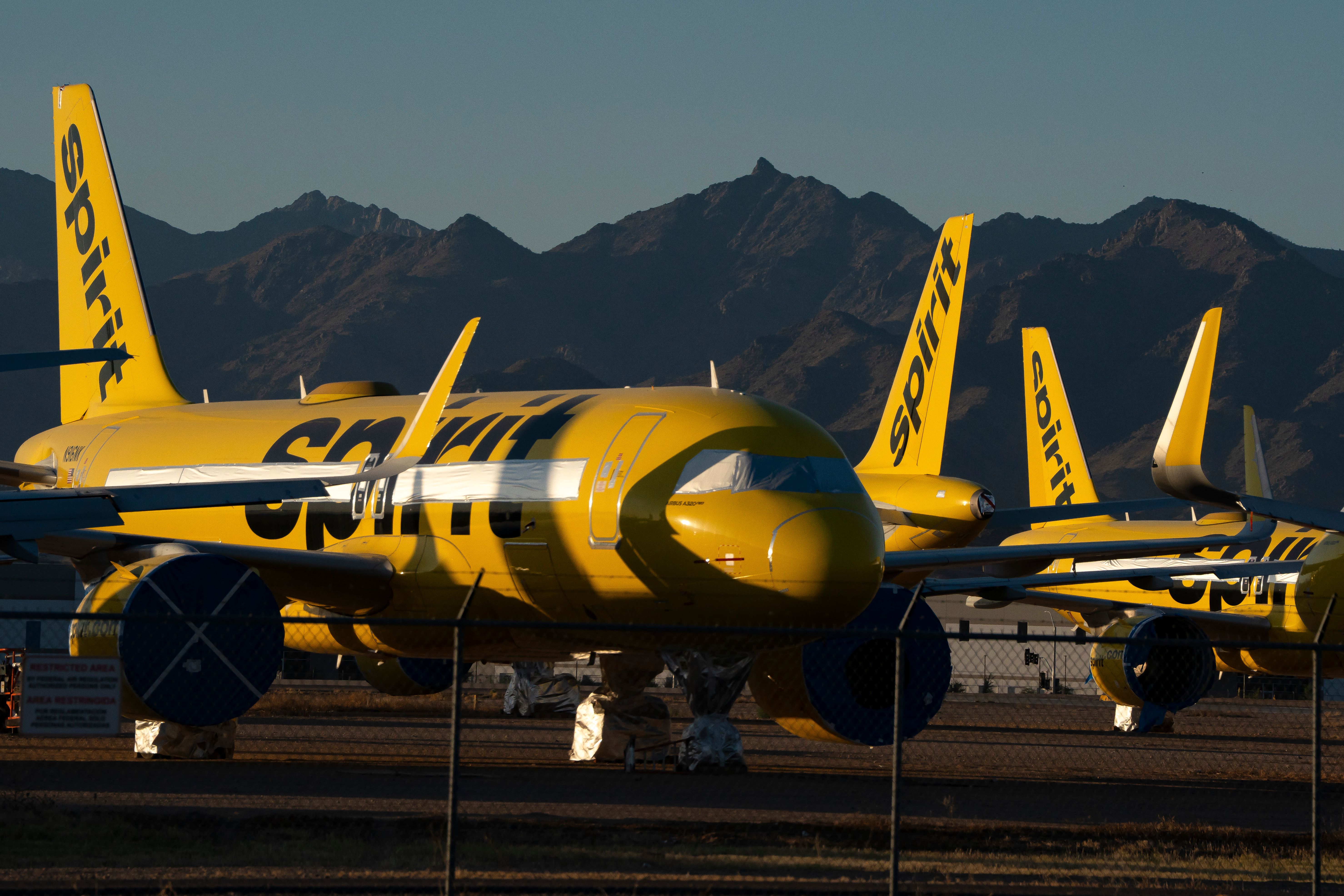
Хиймэл оюун ухааны загвараа сайжруулах зорилгоор Spirit Airlines-ийн 34 жилийн хугацааны мэдээллийн санг худалдаж авах Google-ийн 10 сая ам.долларын санал үйлдвэрчний эвлэлийн эсэргүүцэлтэй тулгарлаа.
Дампуурлаа зарласан Spirit Airlines компанийн сүүлийн 34 жилийн үйл ажиллагааны мэдээлэл, үүнд нислэгийн бүртгэл, ажилтнуудын хувийн хэрэг, цагийн бүртгэл, цахим шуудан болон Microsoft Teams-ийн 500 сая гаруй бичлэгийг Google худалдан авахаар төлөвлөж байна. Google-ийн зүгээс уг мэдээллийг зөвхөн хиймэл оюун ухааны загвар болон бүтээгдэхүүнээ хөгжүүлэхэд ашиглана гэж мэдэгдсэн бөгөөд хэрэглэгчийн хувийн мэдээлэл ороогүй гэдгийг онцолжээ.
Гэвч тус компанийн 5,500 орчим нислэгийн багийнхныг төлөөлдөг Агаарын тээврийн үйлчлэгчдийн холбоо (AFA) уг хэлцлийг эрс эсэргүүцэж, шүүхэд гомдол гаргасан байна. Тус холбооны тэргүүн Сара Нелсон ажилтнуудын хувийн мэдээллийг хиймэл оюун ухаан сургахад ашиглах нь хүлээн зөвшөөрөх боломжгүй хэрэг гэж үзэж байна. Хуульчдын тайлбарлаж буйгаар, энэ нь ажилтны ажил үүрэгтэй холбоотой мэдээлэл болон хувийн мэдээллийн зааг ялгаа тодорхойгүй байгаа өнөөгийн нөхцөлд үүссэн анхны томоохон маргаан юм.
Хиймэл оюун ухааны салбарын томоохон компаниуд загвараа сайжруулахын тулд ийнхүү дампуурсан компаниудын их хэмжээний мэдээллийг худалдан авах нь түгээмэл болж байна. Одоогоор Google-ийн ялалт байгуулсан уг дуудлага худалдааны хэлцлийг баталгаажуулах эсэхийг шийдэх шүүх хурал есдүгээр сарын 9-ний өдөр хүртэл хойшлогдоод байна.
Дэлгэрэнгүйг эх сурвалжаас харах
↓Эх сурвалжийг нээх ↓
Spirit Airlines may have declared bankruptcy this spring, but the budget airline is still worth something—to AI giants, at least. In mid-August, Google won a $10 million bid to purchase some 34 years of the airline’s data, from invoices and flight operations information to Wi-Fi sales, employee records, and crew pairings.
In a statement, a Google spokesperson said the data “can be helpful in improving our products and AI models.” The sale would not include customer data, and Google “will not receive any personal information from this dataset,” the spokesperson said. The winning offer, chosen over a competing $7.5 million proposal from AI data and training company Mercor, has to be approved by a judge.
If former Spirit Airlines attendants have their way, that won’t happen easily. Just days after the court announced Google’s winning bid, the labor union representing 5,500 former Spirit Airlines flight attendants filed an objection to the sale. Lawyers for the 55,000-member Association of Flight Attendants (AFA) argue the sale would include an enormous amount of sensitive employee information, and that even Google’s promised safeguards wouldn’t prevent privacy violations of decades of flight attendants who never could have guessed that their data would be sold to train AI systems.
The employee data “has no business being sold,” Sara Nelson, the president of the AFA, said in a written statement to WIRED. “This is outrageous!”
The legal objection opens a potential new front in the AI data wars, as major frontier labs including Google, OpenAI, Anthropic, and Mercor scramble to find new sources of data to help train their products. US laws have contemplated how best to protect consumer data, even after companies go bankrupt and are sold off for parts—laws that have taken on new salience and value in the age of AI.
But the Spirit Airlines’ flight attendants’ legal objection highlights the gap between data protections for consumers and for workers. It also marks the first public tangle between labor unions and corporations over the sale and use of employee data for AI training purposes, legal experts say.
“There is no boundary between the information and data that the employee is producing and their own personal information. The law has not caught up,” says Seema Patel, a law professor at the University of California, College of the Law, San Francisco, who studies labor issues and technology. (California is one of the few states to have explicit worker data protection laws.) “Companies are having a field day with this.”
In the past few months, startups specializing in selling defunct companies’ data—including old Slack messages, GitHub content, and Google Drives—to those training AI have reportedly made millions. Meanwhile, so-called egocentric data collection efforts are on the rise, as companies race to record humans performing work like cooking meals, cleaning kitchens, and operating factory lines, and use that data to train machines to aid and eventually replace them.
The Spirit data sale would, according to a court filing, include more than 1 million time-card records, over 175,000 employee records, nearly 150,000 employee tax forms, employment contracts and litigation files, 80,000 email accounts, 17 million individually owned Microsoft OneDrive items, 20.6 million shared Microsoft SharePoint files, and 500 million Microsoft Teams records.
The court filing describes a process through which the data buyer—Google—would select or OK a third party to strip the data of elements that could be used to link the information with a particular consumer. A hearing related to the data sale has been delayed to September 9.


