Хиймэл оюун ухааны дэд бүтцийн эсрэг чиглэсэн энэхүү санаачилга нь тус мужийн иргэдийн дунд өсөн нэмэгдэж буй эсэргүүцэл болон улс төрийн өрсөлдөөнтэй холбоотой байна.
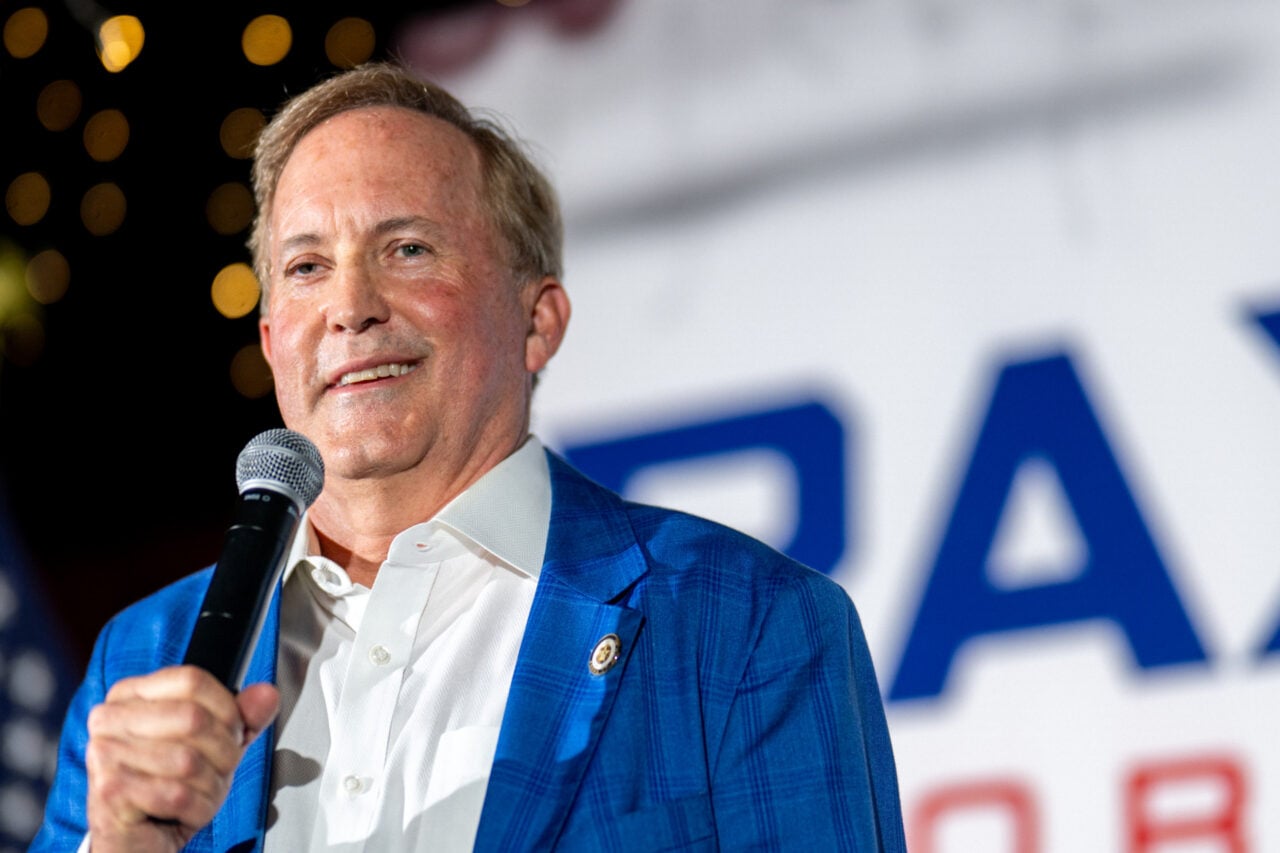
Техасын Ерөнхий прокурор Кен Пакстон Сенатын сонгуульд ялахын тулд “Texas First Data Center Plan” нэртэй дөрвөн цэгээс бүрдсэн бодлогыг танилцууллаа. Энэхүү төлөвлөгөөнд мэдээллийн төвүүдэд Хятадын технологи ашиглахыг хориглох, хүүхдийн аюулгүй байдалд заналхийлж буй хиймэл оюун ухааны чатботуудыг дэмжсэн компаниудад эрүүгийн хариуцлага тооцох зэрэг зохицуулалтууд тусгагджээ. Тэрээр мөн Арканзас мужийн Сенатор Том Коттоны санаачилсан, мэдээллийн төвүүдийг сүлжээнээс гадуур эрчим хүчний эх үүсвэртэй болохыг урамшуулдаг “DATA Act”-ийг дэмжихээ илэрхийлсэн байна.
Техас муж нь Виржиниагийн дараа орох хамгийн олон мэдээллийн төвтэй муж бөгөөд OpenAI-ийн “Stargate” болон SpaceX-ийн “Terafab” зэрэг томоохон төслүүд энд хэрэгжиж байна. Орон нутгийн иргэд цахилгаан эрчим хүчний үнийн өсөлт, усны хомсдол, дуу чимээ болон агаарын бохирдлын улмаас хиймэл оюун ухааны дэд бүтцийг эсэргүүцэх нь нэмэгдэж байгаа юм. Техасын Амбан захирагч Грег Эбботт мэдээллийн төвүүдийн үйл ажиллагаанд хяналт шалгалт хийхийг холбогдох байгууллагуудад үүрэг болгож, тэдгээр компаниуд шүүмжлэлд өртөх нь зүйн хэрэг хэмээн мэдэгдсэн байна.
Гэвч энэ асуудал нь улс төрийн хувьд ээдрээтэй хэвээр байна. АНУ-ын Ерөнхийлөгч хиймэл оюун ухааны салбар болон мэдээллийн төвүүдийн бүтээн байгуулалтыг тууштай дэмжиж байгаа бөгөөд тэдгээрийг ажлын байр болон эдийн засгийн өсөлтийг бий болгодог хэмээн үздэг. Байгаль орчныг хамгаалах агентлаг (EPA) хүртэл нийтийн сүлжээнд холбогдоогүй цахилгаан станцуудыг байгаль орчны зарим хязгаарлалтаас чөлөөлөх шийдвэр гаргасан нь салбарын хөгжлийг хурдасгахад чиглэсэн алхам болсон юм.
Дэлгэрэнгүйг эх сурвалжаас харах
↓Эх сурвалжийг нээх ↓
Texas Attorney General Ken Paxton is vowing to (somewhat) crack down on AI data center buildout if he wins his bid for Senate.
The Republican candidate just unveiled a four-point plan he is calling the “Texas First Data Center Plan.” The proposal, in vague terms, includes authoring legislation to prohibit data centers from using Chinese tech and holding data center companies “criminally liable” for empowering AI chatbots that have been determined to undermine the safety of children.
Paxton is running against State Rep. James Talarico for a once-reliably Republican seat representing Texas in the U.S. Senate. But Paxton is facing a tough run, not just because Talarico is polling rather well, but also due to his own scandal-plagued past. The data center platform could be a way for Paxton to gain back some of the support he may have lost to Talarico, considering the trajectory of public sentiment and Talarico’s own longer-standing promise to crack down on data centers. Talarico—whose platform includes voting to repeal Texas’ data center sales tax exemption, requiring data centers to reuse a fixed amount of water, and granting local communities the power to veto data center projects—called Paxton’s plan “a sad attempt to reverse course,” per Fox News.
The public has grown dramatically anti-AI and data centers in just the past few months alone, and the criticism is coming from all sides of the political spectrum. Many public figures, including but not limited to the Pope, have raised concerns about the unprecedented speed at which the technology is developing, and the toll it’s taking on things like the economy, global warfare, and the mental health of its frequent users. The public is also unhappy about the impact data centers are having on local communities, most of them rural, who have been plagued by rising utility bills, water shortages, and above-average air and noise pollution.
That fast-accelerating pace is felt particularly intensely in Texas, a state that is only second to Virginia in the number of data centers it hosts, per Data Center Map. Major companies have also made the state home to their most ambitious, flagship AI infrastructure projects, from OpenAI’s Stargate in Abilene to SpaceX’s Terafab in Austin, meant to produce chips to be used in space to power owner Elon Musk’s dreams of a massive orbital data center colony.
As part of his four-point plan, Paxton is also vowing to co-sponsor the DATA Act, proposed by Arkansas Sen. Tom Cotton and aiming to loosen federal regulation to incentivize data centers to build their own off-grid power supplies, and promises to “fiercely advocate” for Governor Greg Abbott’s own data center regulations.
In a TV appearance on Sunday, Texas Governor Greg Abbott said the rising anti-AI data center sentiment was justified, saying that the AI companies “basically dug their own grave for the problem that’s been caused for them, and that’s why they got the backlash they deserve.” Earlier this month, Abbott directed the Public Utility Commission of Texas and the state’s power grid operator to audit data center projects that want to connect to the grid.
But the heavily MAGA-aligned Republican politicians are likely to face problems in their AI messaging. The public is souring on data centers, and with the midterm elections looming in November, the politicians would do well to curry public favor. Artificial intelligence is becoming such a determining electoral issue that NBC News has introduced it into its public polling.
But the politicians’ allegiance to Trump also matters, and not only is the President still staunchly in favor of the AI industry and its unprecedented data center buildout, but he also takes any opposition to heart. The administration has repeatedly worked to reduce obstacles standing in the way of the AI industry. Just last month, the Environmental Protection Agency said that power plants would not be subject to some environmental pollution restrictions if they are not connected to the public grid.
That support was once again voiced on Sunday. In an interview with his former fixer Michael Cohen, Trump claimed that data centers don’t take power from the grid because they’re building “the most beautiful, you’ve never seen power plants like this,” and that any community that refuses a data center would be “making a mistake” because they create “tremendous amounts of jobs and money.”


