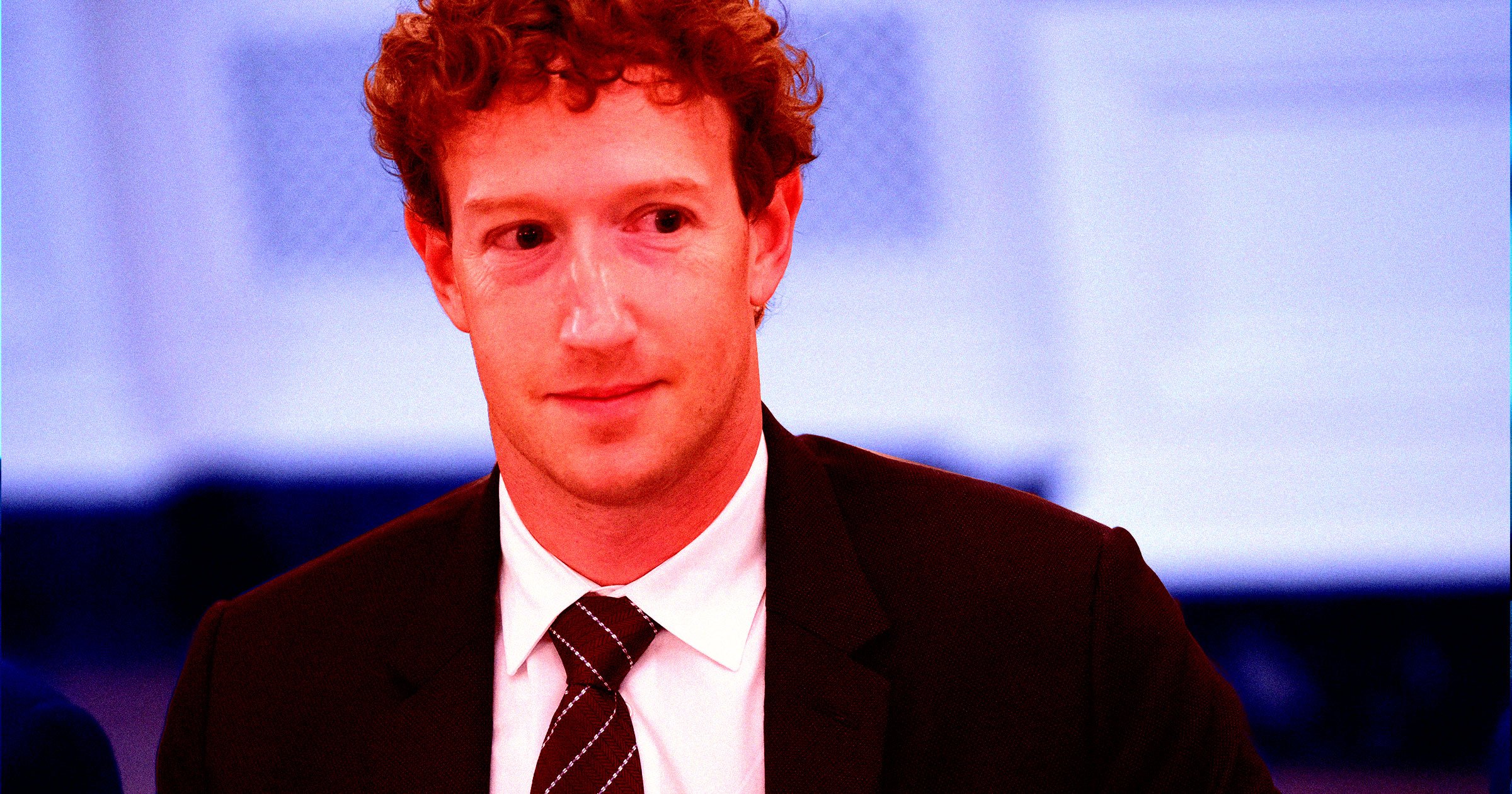
Технологийн салбарын тэргүүнүүд хиймэл оюун ухааныг тойрсон олон нийтийн бухимдлын шалтгааныг бүрэн дүүрэн ухамсарлаж чадахгүй байгаа нь ажиглагджээ.
АНУ-ын олон нийт сүүлийн жилүүдэд технологийн салбарын хөгжилд эргэлзэж, ялангуяа хиймэл оюун ухаанаар үүсгэсэн чанар муутай контент болон дата төвүүдийн байгаль орчинд үзүүлж буй сөрөг нөлөөнд ихээхэн бухимдах болсон. Улс төрийн стратегичид болон санхүүгийн салбарынхан энэхүү сөрөг хандлагын эдийн засгийн эрсдэлийг тооцоолж эхэлсэн ч технологийн компанийн удирдлагууд үүнийг зөвхөн “итгэлцлийн асуудал” хэмээн өнгөц дүгнэж байна.
Meta компанийн гүйцэтгэх захирал Марк Зукерберг хиймэл оюун ухааны ирээдүйн боломжийг магтан дуулсан 6,500 үгтэй илтгэл тавьсан ч компанийн дотоод үйл ажиллагаа нь үүнтэй зөрчилдөж байна. Тухайлбал, тус компанийн технологийн захирал Эндрю Босворт хиймэл оюун ухаанаар ажлын ачааллыг хөнгөлөх боломжийн талаар асуусан ажилтнаа хатуу шүүмжилсэн нь олны анхаарлыг татжээ.
Anthropic компанийн гүйцэтгэх захирал Дарио Амодей олон нийтийн сөрөг хандлагыг хүлээн зөвшөөрч байгаа ч үүнийг салбарын удирдлагуудын эрсдэлийн талаарх анхааруулгатай холбоотой гэж үзэхгүй байна. Тэрээр компаниуд олон нийтэд амласан томоохон үр дүнгээ хараахан үзүүлж чадаагүй нь хамгийн том шүүмжлэл гэдгийг онцолжээ. Гэсэн хэдий ч хиймэл оюун ухааныг цэргийн зориулалтаар ашиглах, дата төвүүдийн хүрээлэн буй орчны бохирдол болон хүүхдүүдэд үзүүлэх сөрөг нөлөө зэрэг бодит асуудлууд хэвээр байна.
Дэлгэрэнгүйг эх сурвалжаас харах
↓Эх сурвалжийг нээх ↓
The tech industry’s standing in the eyes of the US public has undergone a dramatic transformation over the last few years. Where Americans were once excited for new tech products and industry ideas, they’re now exhausted by the sector’s intrusions into their lives, whether with AI-generated slop or the data centers that power it.
Pretty much everyone has received that message loud and clear: political strategists are issuing frenzied memos about the data center backlash, while tech financiers are now forced to consider the financial cost of AI hatred.
At this point, there’s just one group that hasn’t caught on, and it’s the one holding all the cards: AI executives.
As Wired observed, top tech CEOs are increasingly trying to out-message their way around the AI backlash. To the AI billionaires, the issue isn’t that AI is making everybody’s life worse for the benefit of a few ultra-powerful corporations, or even that data centers are unsightly structures that are nearly impossible to live next to. Rather, it’s an issue of “trust,” an entirely subjective concept that can be easily overcome with a little razzle-dazzle.
Meta CEO Mark Zuckerberg, for example, has made it a point to spew even more buzzy tech-optimism into the world, issuing a tedious 6,500-word essay extolling AI’s possibilities, and lambasting anyone who criticizes the industry’s positive vision.
“It is surprising that the discourse from many developing AI is so filled with doom,” Zuckerberg wrote, a likely jab at Anthropic CEO Dario Amodei. “The abundance of the future can be shared by everyone.”
Despite claiming that AI will “free up time for the things you enjoy, and help you accomplish more than you could otherwise,” Zuckerberg’s AI-boosterism is betrayed by his own company’s internal handling of AI. Earlier this month, it was revealed that Meta’s CTO, Andrew Bosworth, ripped into a Meta worker who asked if AI will soon let the rank-and-file take more time off.
“Go to your parents and ask them: hey, like every time I get a chance to talk to my boss, ask me if I can have more days off,” Bosworth said. “Ask your parents what they think of that as a career strategy.”
Of course, Zuckerberg isn’t alone in thinking he can easily paper over the AI backlash with a few honeyed words, or in his obvious hypocrisy.
In a response to Zuckerberg’s cheery diatribe, Anthropic’s Amodei wrote that “I do agree that the public has a negative view of AI (and that this is a big problem), but I don’t think it is primarily caused by me or any other AI leader warning about AI’s risks.”
Under Amodei’s leadership, Anthropic has embraced a kind of “cautious skepticism,” chasing good publicity under the guise of transparency and ethical business, even as its AI chatbot Claude is used by the Trump administration to wage a devastating war on Iran.
“The thing that will work is actually curing cancer,” Amodei continues. “I think by far the most accurate criticism of AI companies including Anthropic is that we haven’t yet delivered on our big promises to benefit the world. That is totally on us.”
Basically, the Anthropic leader contends that the public would accept AI’s copious harms if only the industry would throw them a few crumbs for their patience. There’s a kernel of truth to this — to date, AI’s best real-world use case seems to be generating anthropomorphic fruit smut.
Still, even in the extremely unlikely scenario that an AI chatbot somehow unlocks the “cure to cancer” on its own, its harms will persist: data centers will still choke poor Black communities with smog, AI chatbots will still melt children’s’ brains, and machine learning models will continue to be used to wage deadly war.
If the tech industry really wants to win the public back to its good graces, it should probably skip the feel-good ads and ease off on AI —though with nearly the entire US economy leveraged on the tech, they don’t have much of a choice but to plow ahead, public sentiment be damned.
More on AI: Dating App Cofounder Bails After Scandal Over Using Fake AI-Generated Influencers
The post Clueless AI CEOs Still Baffled Why Everybody’s So Mad About AI All the Time appeared first on Futurism.


