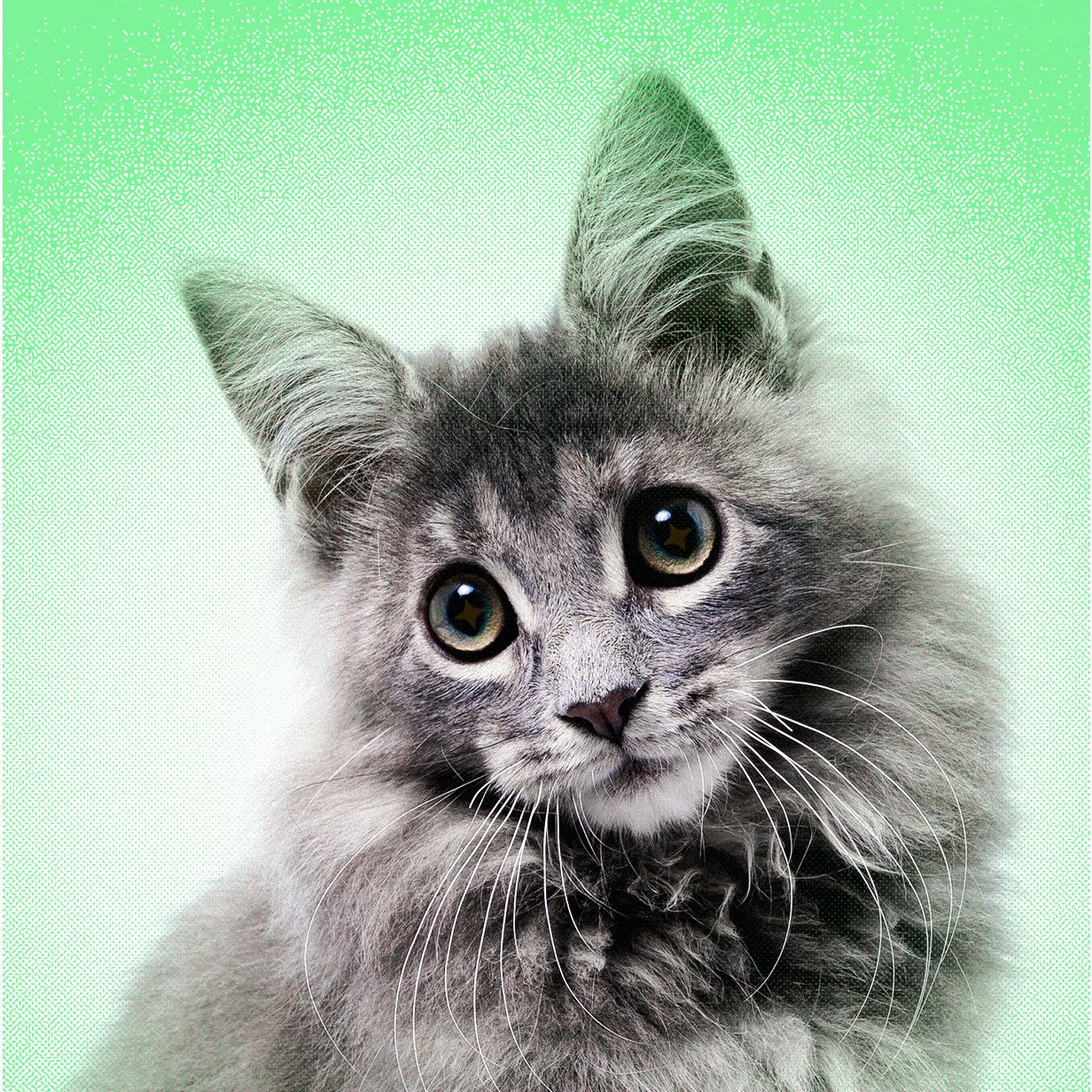
Хиймэл оюун ухааны технологийн хөгжил нь интернэт дэх амьтдын бодит дүрс бичлэгийн үнэн зөв байдалд эргэлзээ төрүүлж, залилангийн гэмт хэрэгт ашиглагдах эрсдэлийг нэмэгдүүллээ.
Хиймэл оюун ухаанаар (AI) бүтээсэн хуурамч зураг, дүрс бичлэгүүд интернэт орчинд түгээмэл болсон нь амьтдын талаарх бодит мэдээллийн үнэн зөв байдлыг алдагдуулж байна. Тухайлбал, дөрөвдүгээр сард Мибби Батлер алга болсон муураа олсон гэх хуурамч зурагт итгэж залилангийн хохирогч болох дөхсөн байна. Уг зураг дээрх бичвэрүүд тодорхойгүй, гажуудсан байсан нь хиймэл оюун ухаан ашигласныг илтгэх гол шинж тэмдэг болжээ.
“We Animals” зэрэг амьтны эрхийг хамгаалах байгууллагууд ч энэхүү асуудалтай нүүр тулж байна. Тэдний нийтэлсэн амьтдын нөхцөл байдлыг харуулсан баримтат дүрс бичлэгүүдийг зарим хэрэглэгчид хиймэл оюун ухаанаар бүтээсэн хэмээн эргэлзэх болжээ. Энэ нь үнэн зөв мэдээлэл түгээдэг байгууллагуудын нэр хүнд болон олон нийтийн итгэлд сөргөөр нөлөөлж болзошгүй байна.
Итгэлцлийг хадгалахын тулд тус байгууллага контентынхоо эх сурвалжийг баталгаажуулах, зураг болон бичлэгийн засварын түүхийг дижитал файлд хавсаргах технологийг нэвтрүүлэхээр төлөвлөж байна. Мөн контентын үнэн бодит байдлыг нотлохын тулд үйл явцын ард талын бичлэгүүдийг илүүтэй хуваалцах шаардлагатай болж байгааг албаныхан онцоллоо. Хиймэл оюун ухаанаар бүтээсэн хямд өртөгтэй контентууд нь сошиал сүлжээний хандалт болон зар сурталчилгааны орлого олж, бодит мэдээллийг дарах хандлагатай байгааг судлаачид анхааруулж байна.
Дэлгэрэнгүйг эх сурвалжаас харах
↓Эх сурвалжийг нээх ↓
AI-generated videos and pictures are destroying one of the largest and most enduring sources of joy and compassion on the internet: animals. Whether the imagery features sailors rescuing a polar bear, baby cows separated from their mothers, or a lost pet that was miraculously found, many people have reached the point where they can’t take the creatures on their feeds at face value anymore. The explosion of deepfakes and AI slop over the past few years has led to widespread frustration among viewers, creators, and organizations that support animals, forcing everyone to hunt in the pixels for glitches or other telltale signs of AI.
Mibbby Butler was overjoyed one day in April when she received a text message that her lost cat, Brooklyn, had supposedly been found. Her roommate’s boyfriend had allegedly taken the cat and dumped him 30 minutes away in the Los Angeles suburbs the day prior. Butler quickly posted a missing poster on social media, and she was driving around with her roommate searching for Brooklyn when a stranger sent her a photo. In it, he is sitting on a kitchen counter while being embraced by a girl.
“My baby is OK!” Butler exclaimed to her roommate. But if she wanted to get him back, the person said, she would have to pay money up front for Brooklyn’s purported temporary care. That’s when Butler sensed she was being scammed and began looking closer at the photo.
Brooklyn was posing the same way as he had in the picture Butler used for the missing poster. In both images, a Torani syrup bottle and a microwave can be seen in the background, except in the new photo, the label text was garbled, a classic sign that it was AI-generated. A disheartened Butler didn’t pay up. “I didn’t know people scammed for lost pets,” she says, noting she also didn’t report the incident to police because she wasn’t sure a crime had occurred. Four months later, Brooklyn is still missing.
The flood of fakes has been no easier on the creators of authentic content. The nonprofit We Animals has published the work of 175 photojournalists who have documented alleged animal abuse and other harms at farms, circuses, and scientific labs. The material can be shocking, which naturally invites skepticism, says Eva von Jagow, the group’s marketing manager. For instance, drone footage We Animals shared of rows and rows of hutches allegedly used to shelter calves separated from their moms on a dairy farm in Arizona looks almost too mesmerizingly perfect to be real.
In the past, people have claimed We Animals’ work is staged or photoshopped. It’s no surprise, then, that some viewers have begun accusing the group of relying on AI, even though it bans the photographers it works with from using the technology. “How to prove it’s not AI?” an Instagram user commented earlier this month on the dairy farm video.
To convince audiences that its content is authentic, We Animals expects it will have to start sharing behind-the-scenes clips and more details about the steps staffers take to verify submissions. It also plans to adopt technology that embeds the provenance and editing history of photographs and videos into digital files. Victoria de Martigny, the group’s director of visual content, says preserving trust is crucial, or else it could “open up the door to people questioning all of the work,” and “we don’t ever want to be in that position.”
Real, evocative images often pull on viewers’ heartstrings and are an important way for conservation and welfare projects to attract donations. But for the owners of AI slop accounts, synthetic imagery can be a convenient path to collecting likes and ad revenue. Since fakes are much cheaper to produce, they appear to be drowning out real clips in social feeds and search results, says Oscar Horta, a philosopher and leading animal activist who recently helped direct a short film on how AI could affect wildlife.


AI-ийн хийсэн зураг, дүрсүүд амьтдын бодит байдалд эргэлзээ төрүүлж эхэллээ. Тэгэхээр, та амьтдын үнэн төрхийг хэрхэн ялгаруулах вэ гэж бодож байна? Энэ хиймэл оюун ухаанаар бүтээсэн контентууд үнэн зөв мэдээлэлд хэр нөлөөлж байна гэж үзэж байна?
Хиймэл оюун ухаан бүр аймаар жинхэнэ юм шиг болсон байна. Энэ сайн зүйл биш байх.
Таны санаа цагаан харилцаатай байна. Хиймэл оюун ухаан илүү олон сорилтуудыг бүрдүүлж байгаа бөгөөд бид бодит мэдээллийг анхааралтай шалгах шаардлагатай болсон.