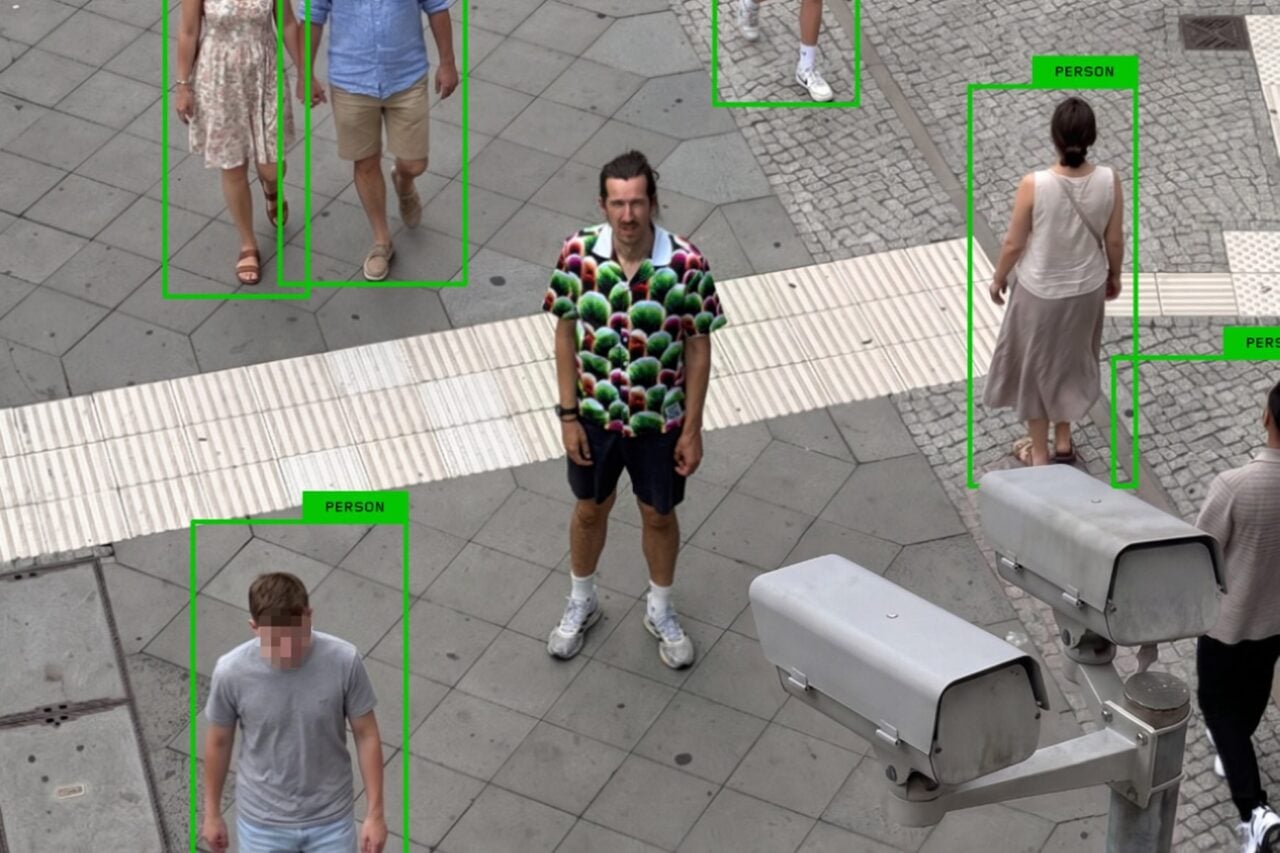
Хиймэл оюун ухаанаар ажилладаг дүрс таних камеруудыг төөрөгдүүлэх чадвартай “дижитал камуфляж” буюу эсэргүүцлийн хувцас хэрэглэл зах зээлд гарч эхэллээ.
АНУ-д автомашины улсын дугаар таних систем (ALPR) болон хяналтын камеруудын тоо эрс нэмэгдэж байгаа нь олон нийтийн дургүйцлийг төрүүлж, улс төрийн томоохон асуудлын нэг болоод байна. Энэхүү хяналтын тогтолцооноос зайлсхийх зорилгоор Германы дизайнер Саймон Векерт хиймэл оюун ухааны алгоритмыг төөрөгдүүлэх тусгай хээ бүхий “дижитал камуфляж” цамцыг бүтээжээ. Векертийн тайлбарласнаар, машин сургалтын систем нь хүнийг бодитоор таньдаггүй, харин сая сая зураг дээрх статистик мэдээлэлд тулгуурлан таньдаг тул энэхүү хээ нь уг системийг ажиллагаагүй болгодог байна.
Дизайнер өөрийн бүтээлээ “Yolo” зэрэг нээлттэй эх сурвалжтай хиймэл оюун ухааны системүүд дээр туршиж, камерын дүрс таних чадварыг бүрэн сааруулж чадсанаа баталжээ. Энэхүү технологи нь хүмүүсийг дүрс таних системд “үл үзэгдэгч” болгох бөгөөд ийм төрлийн хувцас үйлдвэрлэдэг Urban Privacy, Cap_able зэрэг компаниуд хямд үнэтэй малгайтай цамц, ороолт зэрэг бүтээгдэхүүнүүдийг зах зээлд гаргаад байна.
Олон нийтийн зүгээс хяналтын системд өгч буй энэхүү хариу үйлдэл нь технологийн дэвшлийг ашиглан хувийн нууцаа хамгаалах шинэ давлагааг үүсгэж байна. Хэдийгээр эрх бүхий байгууллагууд камерын хяналтыг нэмэгдүүлж байгаа ч иргэд өөрсдийн хувцаслалт болон бүтээлч шийдлээр дамжуулан энэхүү хяналтаас гадуур байхыг эрмэлзэх болжээ.
Дэлгэрэнгүйг эх сурвалжаас харах
↓Эх сурвалжийг нээх ↓
Americans are categorically pissed off about the 130,000 automated license plate readers (ALPRs) Flock and its competitors have erected across the nation, seemingly overnight and with little to no public approval. Things have gotten so hostile toward Big Tech leering that a Sullivan County, Tennessee, commissioner was recorded publicly calling for Flock’s CEO to be hanged for treason during a recent planning session. It’s no wonder ALPRs have rocketed up the charts to join another universally loathed and unwelcome presence (data centers) as the most important issues of the upcoming November election.
But even if voters were to cast their ballots for a nationwide deFlocking, the wheels of government bureaucracy move slowly—even more so when the public servants involved have few qualms about operating outside the wishes of their constituents. All this is to say, getting the cameras officially removed, let alone any ne’er-do-well execs up on the gallows, might take months, if not years. And while the demolition work being done by independent vandal vigilantes is noteworthy, their camera-felling efforts are far from a long-term solution. Even with the pendulum clearly swinging in a resolutely anti-panopticon direction, many remain understandably concerned about the data being collected 24/7 in the liminal space where the law catches up to the wants of the people.
One of the byproducts of creating a surveillance state so universally hated is that the nefarious AI and camera companies now have an even larger pool of creative and brilliant minds scheming up clever and even chic stopgap solutions to the problem. While the tried-and-true (and almost always illegal) methods of applying a clear reflective spray to one’s plate or covering it with an obfuscating shield are still the most common remedies offered in the pro-privacy forums, competing against The Man’s ever-updating AI technology is a Sisyphean struggle and most of these prescribed countermeasures ultimately just attract more attention from law enforcement, rendering the juice not worth the squeeze.
Fortunately, we don’t (yet) have to register our bodies with the government as we do with our vehicles, nor adhere to mandated regulations with regard to our appearances. This freedom has resulted in more progress made on the front to keep AI-powered cameras from clocking pedestrians in 4K. As reported in Dezeen, German designer Simon Weckert has produced a short-sleeve button-up shirt with a garish, colorful pattern straight out of Dan Flashes that confounds AI’s human-detecting algorithms. He’s dubbed it Digital Camouflage, which is likely to earn him some tough SEO competition from the colloquial term for the Universal Camouflage Pattern so ubiquitous and troop-despised throughout George W. Bush’s presidency.
“AI systems are made of multiple layers and never learned what a human is — they learned what humans statistically look like in millions of training images,” Weckert explained to Dezeen. “A ‘person,’ for the machine, is a bundle of visual statistics — and that is exactly its weakness.”
Weckert went on to tell how he weaponized AI against itself during the pattern design process, creating “an adversarial loop within the detection system.” His process: “generate a candidate, show it to the detector, measure how confidently it still finds the person, adjust, repeat – until the confidence collapses.” Though the final product is incredibly conspicuous to the human eye, Weckert’s shirt renders its wearer a non-entity to object detection systems, which Weckert made sure of through tests with an open-source, AI object detector called Yolo. And I was able to replicate his results using a similar browser-based detection system. People walking by, far in the background, were all spotted and boxed in the results, while the man front and center was an apparent non-entity.
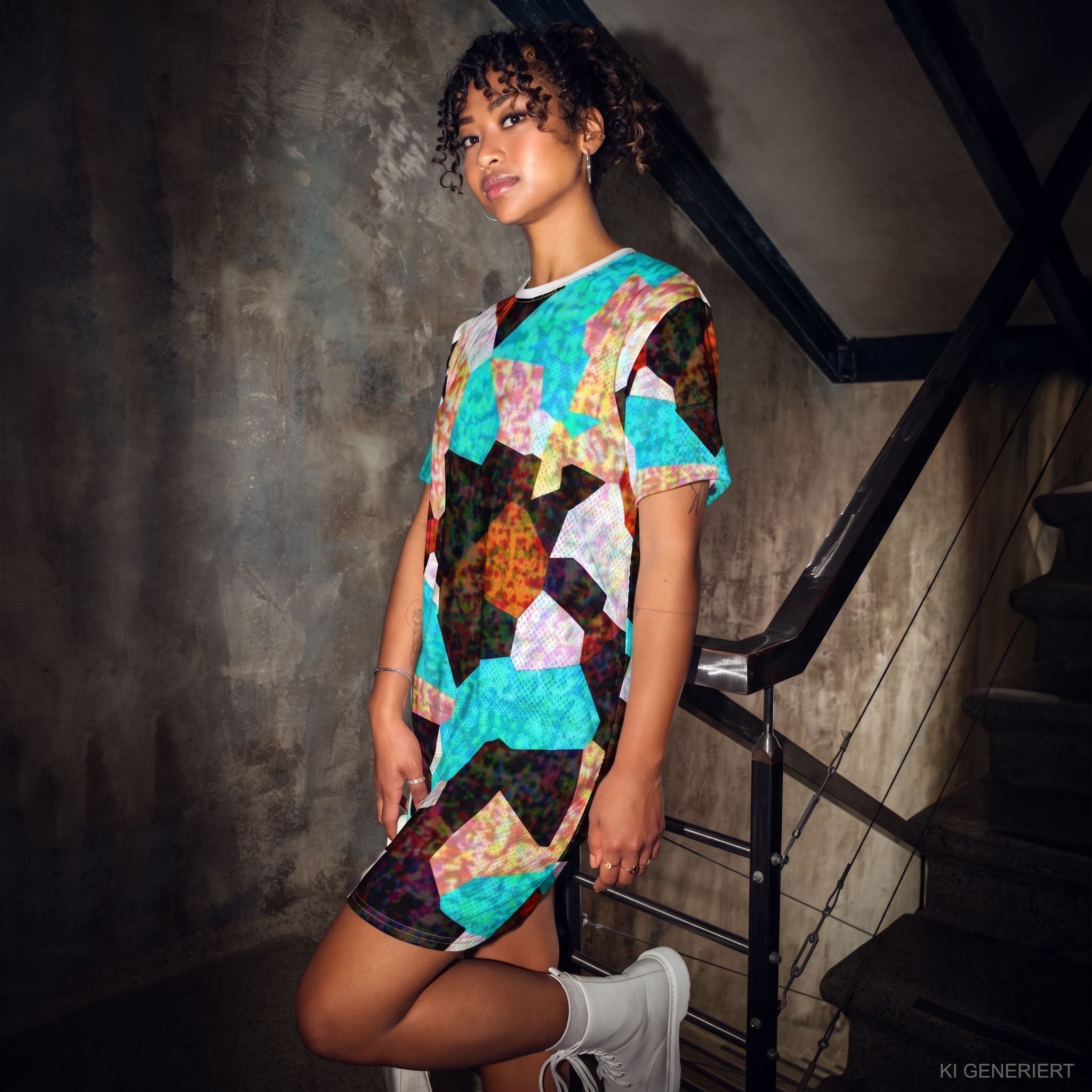
Readers hoping to pick up some algorithm-frying duds of their own, fear not. Though Weckert’s gaudy shirt may be a work of art, it’s also one you can buy and wear yourself. Don’t stress if his Digital Camouflage isn’t quite your style. Weckert’s far from the first to offer sartorial solutions to the growing surveillance conundrum. In fact, a burgeoning cottage industry of designers making “adversarial clothing” [cooler name] has popped up to help customers avoid detection while still making a statement. A company called Urban Privacy offers a line of affordable counter-surveillance garments, from scarves to hoodies to print tees, that lets customers scramble cams without breaking the bank. For those with more substantial clothing budgets, the brand Cap_able has a stylish capsule of mostly all-knit items that’ll each run you somewhere in the mid-to-high three-figures.
But can you really put a price on privacy? Or art? Or a combination of the two. We’ll all be finding out together as this vestiary response to unchecked state peeping grows in popularity.


Энэ шинэ чиг хандлагаг хараад, хувийн нууцаа хамгаалах ямар нэгэн бүтээлч арга бодогдож байна. Хамгийн сонирхолтой нь, хүний дүрсийг таних системийг төөрөгдүүлэхийн тулд хувцаслалт хэрхэн өөрчлөгдөж байна вэ? Та энэ чиг хандлагад ямар үнэн сэтгэгдэлтэй байна вэ?