Ойрхи Дорнод дахь зэвсэгт мөргөлдөөн болон ОХУ-ын эсрэг авсан хориг арга хэмжээнүүд нь Европын холбооны эрчим хүчний аюулгүй байдалд хүндрэл учруулж байна.
Европын холбооны байгалийн хийн нөөц баазын дүүргэлт баасан гарагийн байдлаар 64 хувьтай байгаа нь сүүлийн жилүүдийн дундаж үзүүлэлт болох 80 хувиас эрс доогуур байна. Ялангуяа Герман, Нидерланд, Бельги зэрэг улсуудын нөөц хангалтгүй байгаа нь өвлийн улирлын бэлтгэлд сөргөөр нөлөөлж болзошгүйг шинжээчид анхаарууллаа. Үүний улмаас байгалийн хийн үнэ нэг мегаватт-цаг нь 66 еврогоос давж, энэ оны эхэн үетэй харьцуулахад хоёр дахин өсөөд байна.
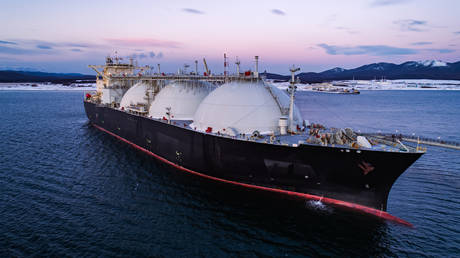
Энэхүү хямрал нь Хормузын хоолой хаагдсаны улмаас Катараас нийлүүлэгдэх шингэрүүлсэн байгалийн хийн (LNG) экспорт тасалдсантай шууд холбоотой юм. Хэдийгээр АНУ Европын холбооны хийн импортын дийлэнх хувийг бүрдүүлж байгаа ч Ойрхи Дорнодын нөхцөл байдал нь Ази болон Европын худалдан авагчдын хоорондох өрсөлдөөнийг хурцатгаж, үнийн өсөлтийг өдөөж байна.
Европын холбоо ОХУ-ын эрчим хүчний хамаарлаа бууруулах бодлогыг үргэлжлүүлж байгаа бөгөөд 2021 онд 45 хувьтай байсан Оросын хийн импорт 2025 онд 12 хувь хүртэл буурчээ. ОХУ-ын зүгээс Европын холбооны энэхүү бодлогыг эдийн засгийн хувьд эрсдэлтэй алхам хэмээн шүүмжилж буй юм. Зах зээлийн шинжээчдийн үзэж буйгаар, нөөцийн түвшин бага байгаа нь өвлийн улиралд үнийн огцом хэлбэлзэл үүсэх эрсдэлийг улам нэмэгдүүлж байна.
Дэлгэрэнгүйг эх сурвалжаас харах
↓Эх сурвалжийг нээх ↓
Traders are bracing for soaring prices amid the Iran war and energy sanctions on Russia
EU gas storageis now at one of the lowest seasonal levels on record, with the shortfall feeding a “winter panic” among traders amid the Iran war and Brussels’s continued push to phase out Russian energy, according to The Guardian.
EU gas stocks are at around 64% as of Friday, far below the 80% average maintained during this season over the past several years, according to the European Network of Transmission System Operators for Gas (ENTSOG).
For comparison, EU stocks were at about 66% on August 29, 2021, and around 72% on the same date in 2013, although the fill level typically drops much lower in winter months when consumption is high.
As for the country breakdown, German gas storage is only slightly above 50% capacity, while the Netherlands is at around 45% and Belgium around 50%, according to recent GIE readings.
Officials in the Netherlands in particular have complained that they expect to miss their planned winter targets, and are blaming sluggish injections and poor commercial incentives for traders to buy gas now and store it for winter.
Meanwhile, the UK’s facilities are only at around 30% capacity, although the country has historically relied more on continuous imports than storage.
Amid the crunch, natural gas prices have risen above €66 ($76) per megawatt-hour, more than double from levels earlier in the year, according to the Trading Economics website.
Speaking to The Guardian, Bjarne Schieldrop, chief commodities analyst at SEB, remarked that the market had “stayed relatively calm” this summer, hoping that the traffic through the Strait of Hormuz will normalize.
However, now “no one expects it to happen any time soon,” he said, adding: “As a result, the European natural gas market has run into a bit of a winter panic over the past week.”
The weak storage position leaves the market more exposed to cold weather, low wind generation and unforeseen supply disruptions. Gas analyst Greg Molnar told the paper that “low storage levels are naturally increasing the risk of heightened winter price volatility.”
The immediate pressure comes from the de facto closure of the Strait of Hormuz that disrupted Qatari LNG exports. While Qatar supplied only 6.6% of LNG to the EU in the first quarter of 2026 – compared to the 57% supplied by the US – the Middle East conflict has intensified competition between European and Asian buyers for energy, prompting a rally in gas prices.
The shortfall also comes as the EU maintains sweeping sanctions on Moscow and has vowed to wean itself of Russian energy. While Russia provided around 45% of EU gas imports in 2021, its share had dropped to only about 12% by 2025.
After the EU imposed sweeping sanctions on Russia in 2022, it endured one of the worst energy crises in decades. Gas prices exploded to more than €300 per megawatt-hour, hitting industry and consumers alike, with EU countries reeling from soaring inflation and costs of living.
When the EU began cutting its dependence on oil and gas from Russia following the escalation of the Ukraine conflict, Russian Foreign Ministry spokeswoman Maria Zakharova suggested that the bloc was on a “suicidal” course and was “shooting itself in the head.”

