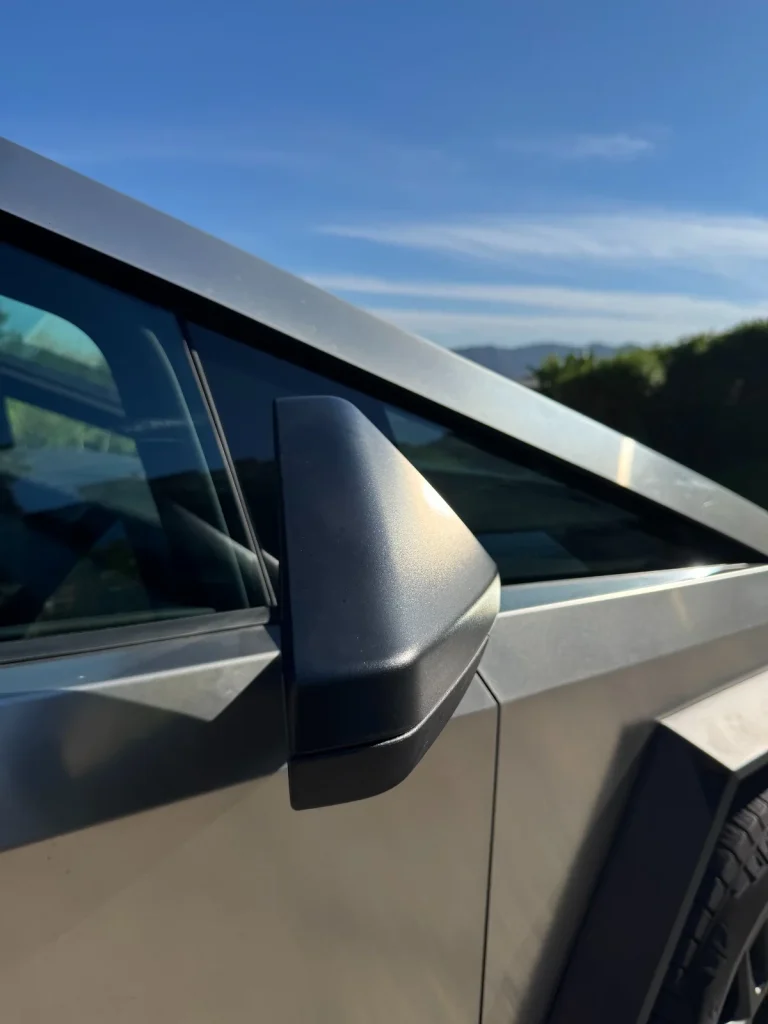
Програм хангамжийн шинэчлэлээр дамжуулан Tesla Cybertruck загварын бүрэн автомат жолоодлогын (FSD) гүйцэтгэл болон жолоодлогын горимуудад томоохон өөрчлөлтүүд орсон байна.
Калифорни мужид хийсэн туршилтаар 2025 оны 11 дүгээр сард ашиглагдаж байсан FSD системтэй харьцуулахад 2026 оны наймдугаар сарын хувилбар нь илүү нарийвчлалтай, үр ашигтай ажиллаж байгаа нь тогтоогджээ. Орчин үеийн цахилгаан автомашинууд OTA (Over The Air) буюу алсаас програм хангамжаа шинэчлэх боломжтой болсон нь техник үйлчилгээнд очих шаардлагагүйгээр тээврийн хэрэгслийн хүчин чадлыг сайжруулах боломжийг олгож байна.
Одоогийн FSD систем нь зогсоолын хаалгаар гарснаас эхлэн буцаж ирэх хүртэл бүрэн ажиллах чадвартай болжээ. Grok хиймэл оюун ухаантай нэгдсэнээр жолооч тодорхой байршил эсвэл сонирхсон цэгүүдээ хайж олох даалгавар өгөхөд систем нь тухайн чиглэлд автоматаар жолоодлого хийдэг байна.
Шинэчлэгдсэн систем нь Cybertruck загварын эргэлтийн момент болон хүчин чадлыг илүү үр дүнтэй ашиглах болжээ. Мөн жолоодлогын хэв маягийг тохируулах Sloth, Chill, Standard, Hurry, Mad Max зэрэг шинэ горимууд нэмэгдсэн байна. Статистик мэдээллээр, бүрэн автомат жолоодлогын систем нь хүний удирдлагатай харьцуулахад нэг мильд ногдох ослын тохиолдлоор бага үзүүлэлттэй байгаа нь тогтоогдсон байна.
Дэлгэрэнгүйг эх сурвалжаас харах
↓Эх сурвалжийг нээх ↓
I drove the Tesla Cybertruck on FSD – as in Full Self-Driving – twice in less than a year and it was like night and day.
I first drove it back in late 2025 and tried it again just a few days ago.
Both tests were carried out in the same Cybertruck in California, but there was a big difference.
And there’s also a new quirky feature.
Cars are now software-driven
Some people don’t like this but the days of taking the car into the shop to make it better are sort of gone.
Now, you download updated software and your vehicle is automagically better.
That’s what happens with all cars who are compatible with OTA (Over The Air) updates – i.e., pretty much all modern EVs.
It also explains why the Cybertruck I drove in August 2026 was so much better than the one I drove in November 2025, despite being the same truck.
Specifically, FSD was so much better.
FSD has been around for a long time.
Even longer if you include Autopilot, which was an early predecessor that feels Paleolithic in comparison.
Apart from being accurate, FSD also includes new modes, and they’re hilarious.
This is how the new FSD works
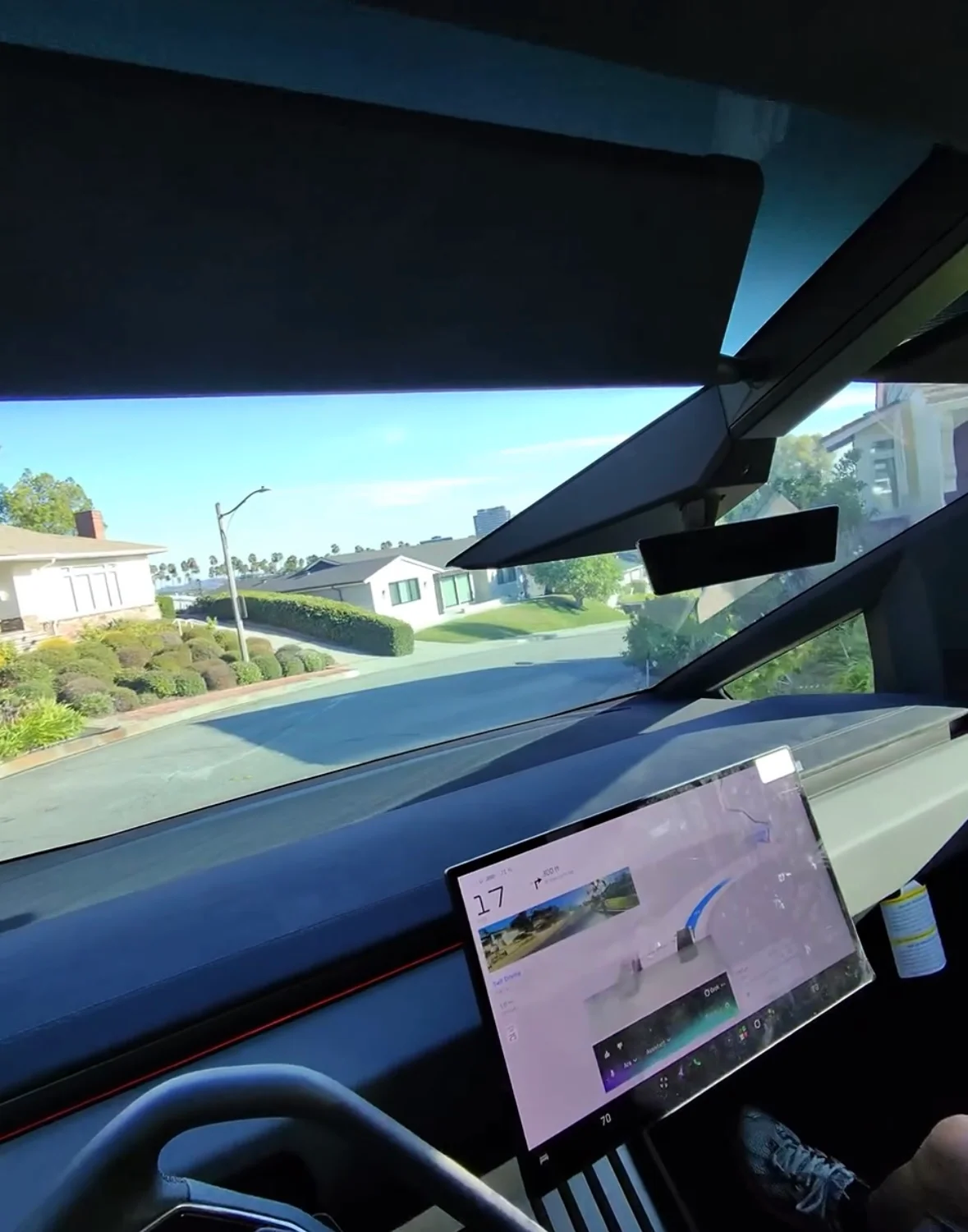
When I tested the Tesla Cybertruck in Glendale, California, in November 2025, the system could navigate the area quite well, but that was about it.
Now, it can be engaged the moment you leave the underground garage barrier and only needs to be disengaged when you return to it.
Because it’s integrated with Grok, it can also drive you places.
When I was in Glendale, I told Grok to ‘look for Instagram spots around me.’
It found them, and FSD drove me straight there.
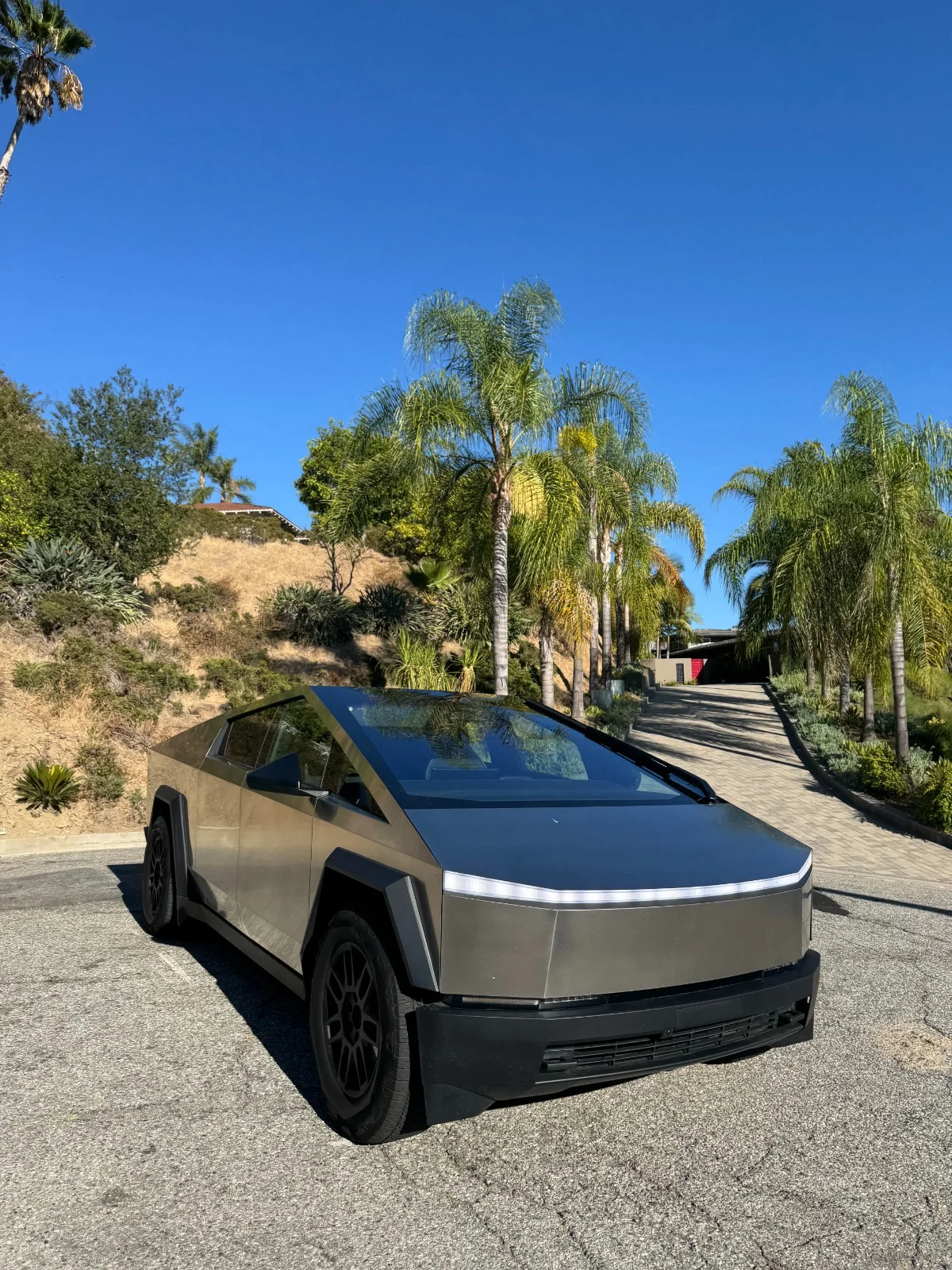
The most interesting part is that FSD is now using the Tesla Cybertruck Cyberbeast’s infinite power a bit more ruthlessly and efficiently.
In the past, it felt wasteful to have all of that torque and power and then use FSD, which drove like a monk.
Now, FSD drives like its non-existent virtual hair is on fire.
It gets better because it now features modes.
And in true Tesla spirit, the names are hilarious: Sloth, Chill, Standard, Hurry, Mad Max.
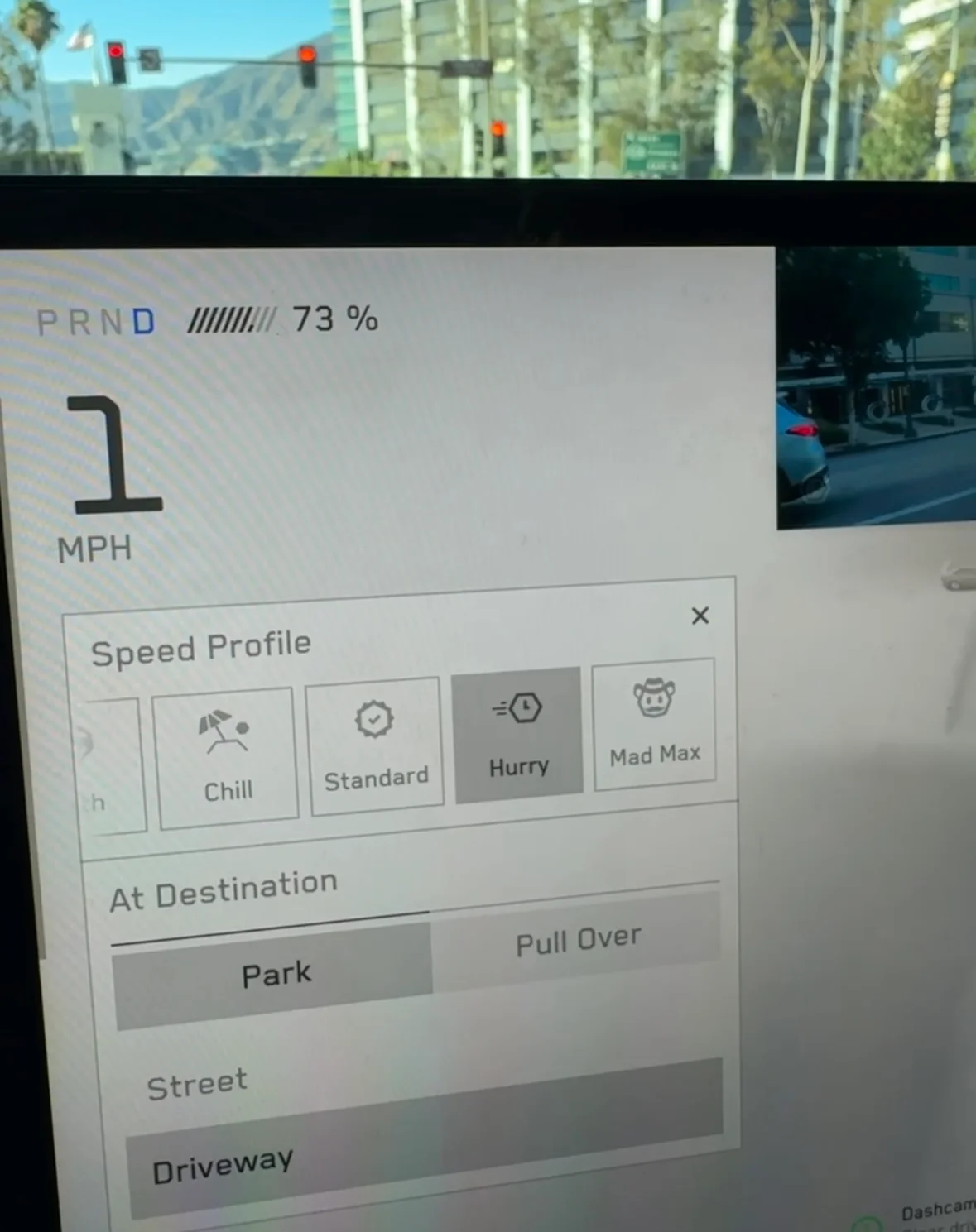
In Sloth mode, it is very, very slow, and changes lanes very cautiously.
In Mad Max, it drives like a maniac and changes lanes like somebody made a $1 million bet you can’t switch between five lanes in less than five seconds.
Long term, we’re going to have to see whether these modes affect safety.
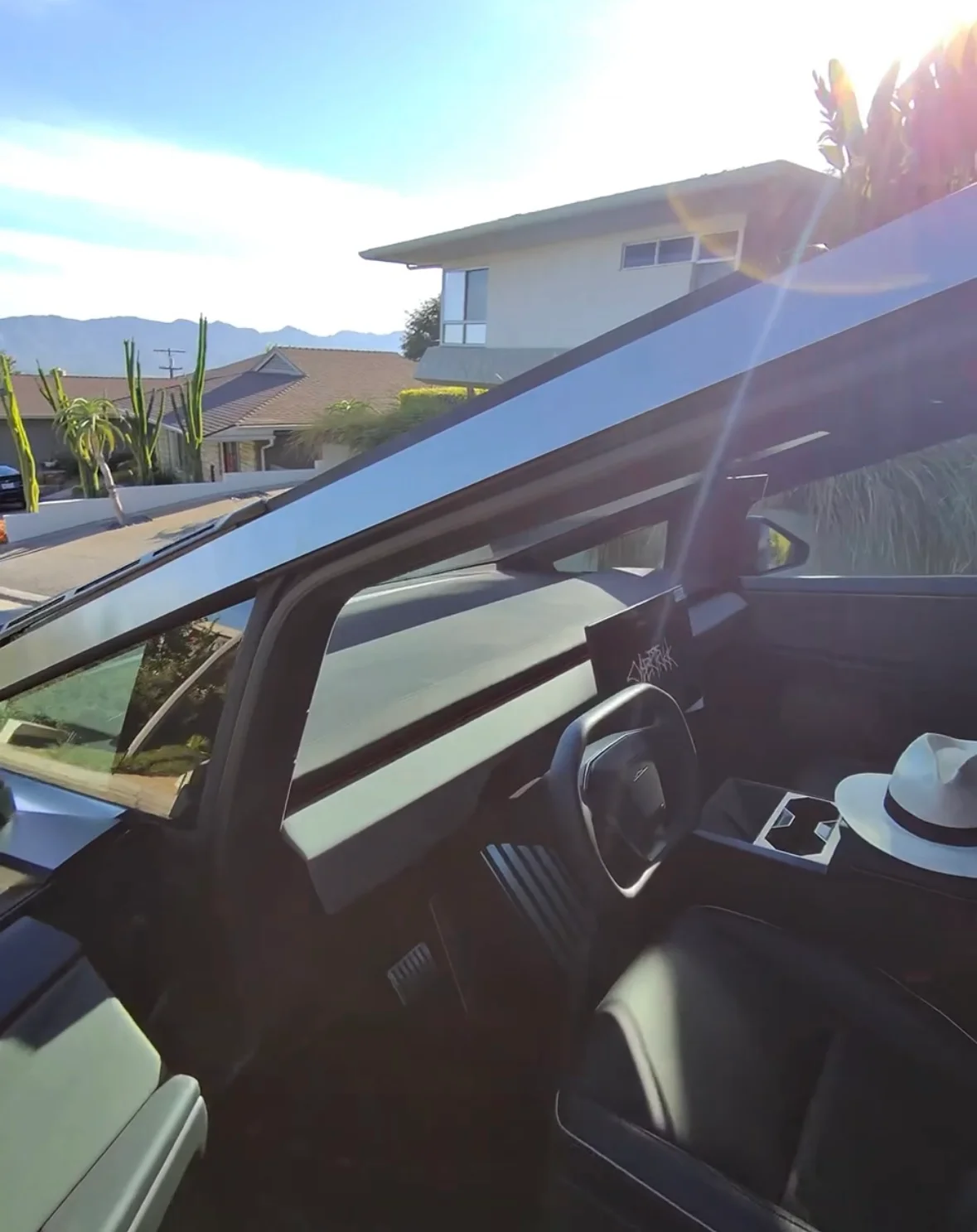
But, so far, self-driving has demonstrably proven to be safer than human drivers.
Statistically, the accident-per-mile ratio is significantly better.
Time will tell.

