Эрдэмтэд газрын гадаргаас 3000 орчим километрийн гүнд орших мантль болон цөмийн зааг дээрх нууцлаг бүсүүдийг сейсмийн долгионы шинжилгээгээр олж тогтоожээ.
“Journal of Geophysical Research: Solid Earth” сэтгүүлд нийтлэгдсэн судалгаагаар Дэлхийн доод мантлийн бүсээс зургаан шинэ хэсгийг илрүүлсэн байна. Судлаачид газар хөдлөлтийн үеэр үүсэх сейсмийн долгионууд нь температурын болон найрлагын ялгаатай материалуудаар дамжихдаа хурдаа өөрчилдөг зарчмыг ашиглан энэхүү дүрсийг бүтээжээ. Энэхүү арга нь шууд ажиглах боломжгүй Дэлхийн гүний бүтцийг нарийвчлан зураглах боломжийг олгосон байна.
Шинээр илэрсэн эдгээр бүсүүд нь эргэн тойрныхоо мантлийн материалаас химийн болон физик шинж чанараараа ялгаатай болохыг эрдэмтэд тогтоожээ. Эдгээр ялгаатай шинж чанар бүхий хэсгүүд нь тектоникийн хавтангийн шилжилт болон эртний геологийн үйл явцын үлдэгдэл байж болзошгүй гэж судлаачид таамаглаж байна. Эдгээр бүтэц нь Дэлхийн гүн дэх дулааны урсгал болон геологийн идэвхжилд хэрхэн нөлөөлдгийг ойлгоход чухал ач холбогдолтой юм.
Одоогоор эдгээр бүсүүдийн найрлага болон үүслийн талаарх судалгаа үргэлжилж байна. Энэхүү ололт нь Дэлхийн гүний бүтцийн талаарх өнөөгийн загваруудыг илүү нарийвчлалтай болгох, мантль болон цөмийн харилцан үйлчлэлийг судлах шинэ чиглэлийг нээж өглөө. Цаашид сейсмийн сүлжээний хүчин чадлыг нэмэгдүүлснээр Дэлхийн дотоод давхаргын хувьслын талаар илүү дэлгэрэнгүй мэдээлэл цуглуулах боломжтой гэж эрдэмтэд үзэж байна.
Дэлгэрэнгүйг эх сурвалжаас харах
↓Эх сурвалжийг нээх ↓
Scientists have identified six previously unknown regions deep inside Earth’s lower mantle, revealing hidden variations in the planet’s deepest interior that had never been documented before. The discovery, published in the Journal of Geophysical Research: Solid Earth, offers a new view of the complex structures located near the boundary between the mantle and the core.
A New Look At Earth’s Deepest Interior
The newly detected features were found in the lowermost mantle, a vast region located nearly 3,000 kilometers beneath Earth’s surface. Scientists have known for decades that this area contains major variations in density and composition, but producing detailed maps of these hidden structures remains a major challenge in geophysics.
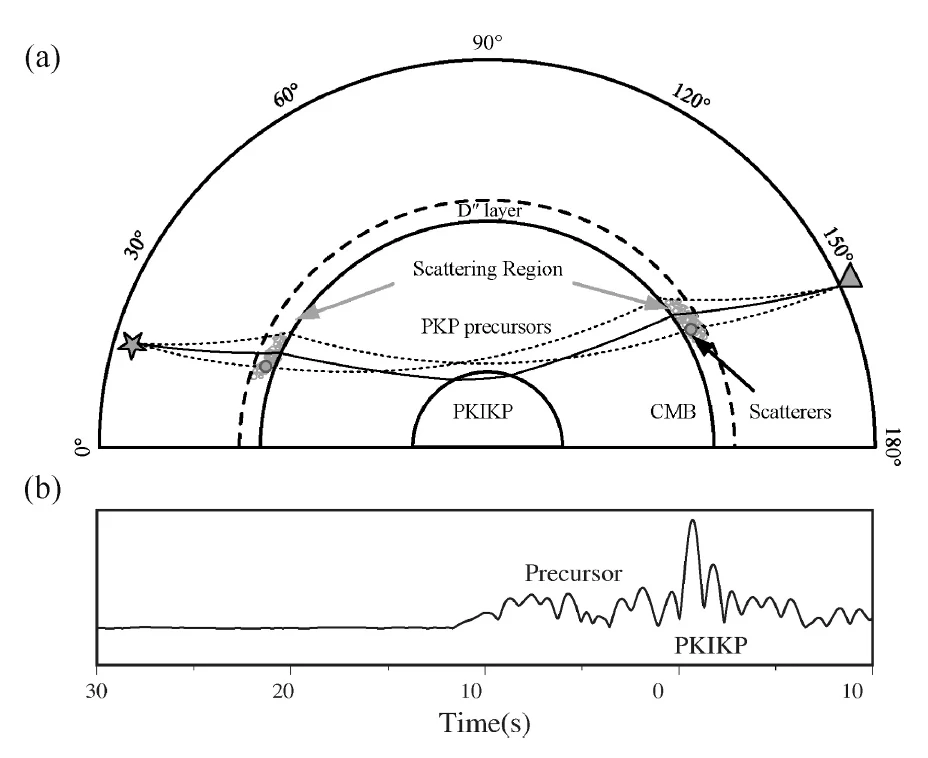
Researchers analyzed advanced seismic wave data generated by earthquakes to study how sound waves travel through the planet. These waves change speed when they pass through materials with different temperatures, compositions, or physical properties, allowing scientists to create indirect images of regions that cannot be reached by direct observation.
The study used a large collection of seismic measurements to improve existing models of Earth’s interior. The results revealed six areas with unusual patterns that suggest significant differences from the surrounding mantle.
Credit: Guan et al., J. Geophys. Res. Solid Earth, 2026
The researchers describe these regions as previously undocumented heterogeneities, meaning areas where the mantle’s physical or chemical properties vary from nearby material. These differences may preserve evidence of ancient geological events, including the movement of tectonic plates and the circulation of material deep inside the planet.
“We also discovered six areas that likely host significant heterogeneities that had never been documented before, providing clear priority targets for future exploration of Earth’s deep interior,” the researchers write in their paper.
Mapping Hidden Features Beneath The Mantle
The findings are part of a detailed effort to improve understanding of the core-mantle boundary, one of the most active regions inside Earth. This area controls how heat moves through the planet and plays a role in long-term geological processes connected to volcanic activity and plate movement.
The research, published in the Journal of Geophysical Research: Solid Earth, presents a method designed to detect smaller and more localized structures than earlier models were able to identify.
Scientists cannot directly collect samples from the lower mantle, so they rely on indirect methods such as seismic imaging. The newly identified regions may reflect differences in chemical composition, temperature, or mineral structure.

Credit: Guan et al., J. Geophys. Res. Solid Earth, 2026
Some of these structures could be linked to ancient pieces of oceanic crust that sank into the mantle through subduction. Others may represent long-lasting variations created by the slow movement of material inside Earth.
The expanded catalog of deep mantle structures could help researchers develop more accurate models of the planet’s internal evolution. Each new observation provides additional information about how material has moved through Earth over hundreds of millions of years.
Why These Structures Matter For Planetary Science
Earth’s mantle is not a uniform layer. It is a constantly changing system where heat and material circulate over geological timescales. The newly mapped regions provide scientists with new locations to investigate these processes and better understand how the planet developed.
The discovery also shows that large parts of Earth’s interior remain poorly understood. Current models are based on indirect measurements, and many deep regions cannot yet be fully explained.
The six structures may help answer questions about how tectonic plates are recycled into the planet and how deep mantle movements influence surface activity. These processes are connected to volcanic regions, mountain formation, and the long-term evolution of Earth.
The researchers expect future seismic observations to reveal additional details about these hidden areas. Improvements in global monitoring networks could allow scientists to create increasingly detailed maps of the deepest parts of the planet.
“As the catalog continues to expand, its high‐resolution spatiotemporal coverage will… advance the refinement of fine‐scale structural models of the lowermost mantle, and offer increasingly rich constraints for deepening our understanding of the geodynamic state of Earth’s deep interior,” the team concludes.

Credit: Guan et al., J. Geophys. Res. Solid Earth, 2026
Future Exploration Of Earth’s Hidden Layers
The discovery of these six structures represents another step toward understanding the planet beneath the surface. Future research combining seismic observations, laboratory experiments, and computer simulations may reveal what these regions contain and how they formed.
Scientists expect expanded seismic networks to uncover more information about Earth’s deepest layers. Each newly detected structure adds another piece to the story of the forces that have shaped the planet over billions of years.
The interior of Earth remains largely unexplored, but advances in geophysical techniques are transforming earthquake signals into detailed images of the hidden world below. These findings show that the planet still contains unknown regions waiting to be investigated.
Enjoyed this article? Subscribe to our free newsletter for engaging stories, exclusive content, and the latest news.

