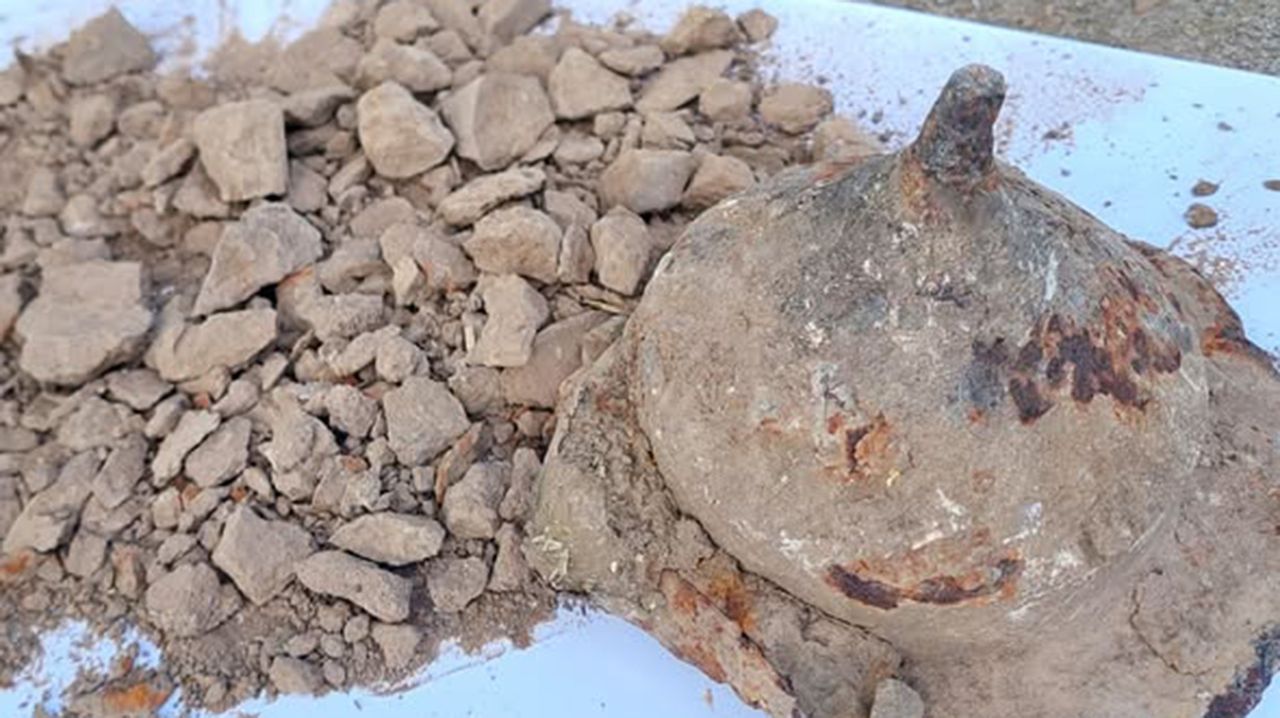
Польшийн Хрубешув хотын ойролцоох хогийн цэгээс археологийн ач холбогдолтой, 1800 жилийн настай бамбайн төв хэсгийн төмөр товх олдсон байна.
Автомашины сэлбэг хайж явсан иргэн уг эртний эдлэлийг олж, Хрубешувын нэрэмжит Станислав Сташичийн нэрэмжит музейд мэдэгдсэнээр мэргэжилтнүүд судалгаа хийжээ. Бамбайн төв хэсгийн төмөр товх буюу “умбо” нь модон болон арьсан бамбайг бэхэлж, дайчны гарыг хамгаалах үүрэгтэй байв. Археологичдын дүгнэлтээр, энэхүү олдвор нь тухайн үед Польшийн нутагт амьдарч байсан Германы овог болох Вандалуудад хамаарах ажээ.
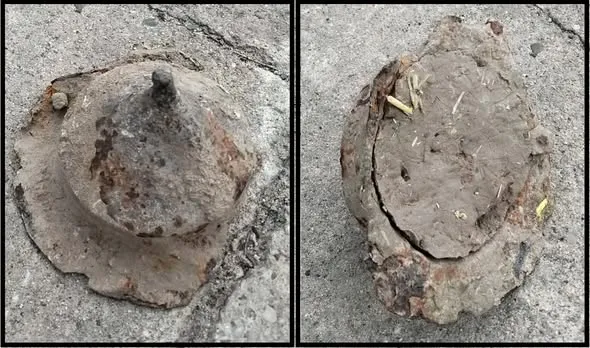
Музейн судлаачдын тогтоосноор, товхны дотор талын хатсан шороон бүрхүүлийн дотроос чандарласан хүний яс олдсон нь энэ нь оршуулгын зориулалттай эд зүйл байсныг баталж байна. Вандалчуудын дунд нас барагсдаа чандарлах уламжлал түгээмэл байсан бөгөөд товхны гадаргуу дээрх өндөр температурт өртсөн ул мөр нь үүнийг баталгаажуулж байгаа юм.
Харамсалтай нь, уг олдвор олдсон газарт анхны булш нь бүрэн хадгалагдан үлдээгүй байна. Археологичид уг булшинд бамбайгаас гадна сэлэм, жад, бүсний арал эсвэл нөмрөгийн товч зэрэг бусад зэвсэг хэрэгсэл байсан байх магадлалтай гэж үзэж байна. Энэхүү олдвор нь Вандалчуудын түүх болон тухайн үеийн соёлын онцлогийг судлахад чухал ач холбогдолтой юм.
Дэлгэрэнгүйг эх сурвалжаас харах
↓Эх сурвалжийг нээх ↓
A man searching for spare auto parts at a junkyard in Poland discovered an entirely different kind of treasure: part of a 1,800-year-old shield that was filled with bones.
The shield’s age and location suggest that it belonged to a Vandal warrior, according to the archaeologists who excavated the find. The Vandals were Germanic people who lived in Poland at that time. After the Germanic invasions of the Roman Empire, the Vandals, whose name became synonymous with destruction, moved south and eventually settled in North Africa in A.D. 429, long after this shield was buried.
The bones seem to have been part of a cremation, which was also a Vandal tradition. However, the archaeologists lamented in an Aug. 20 Facebook post that the original grave has been lost to time.
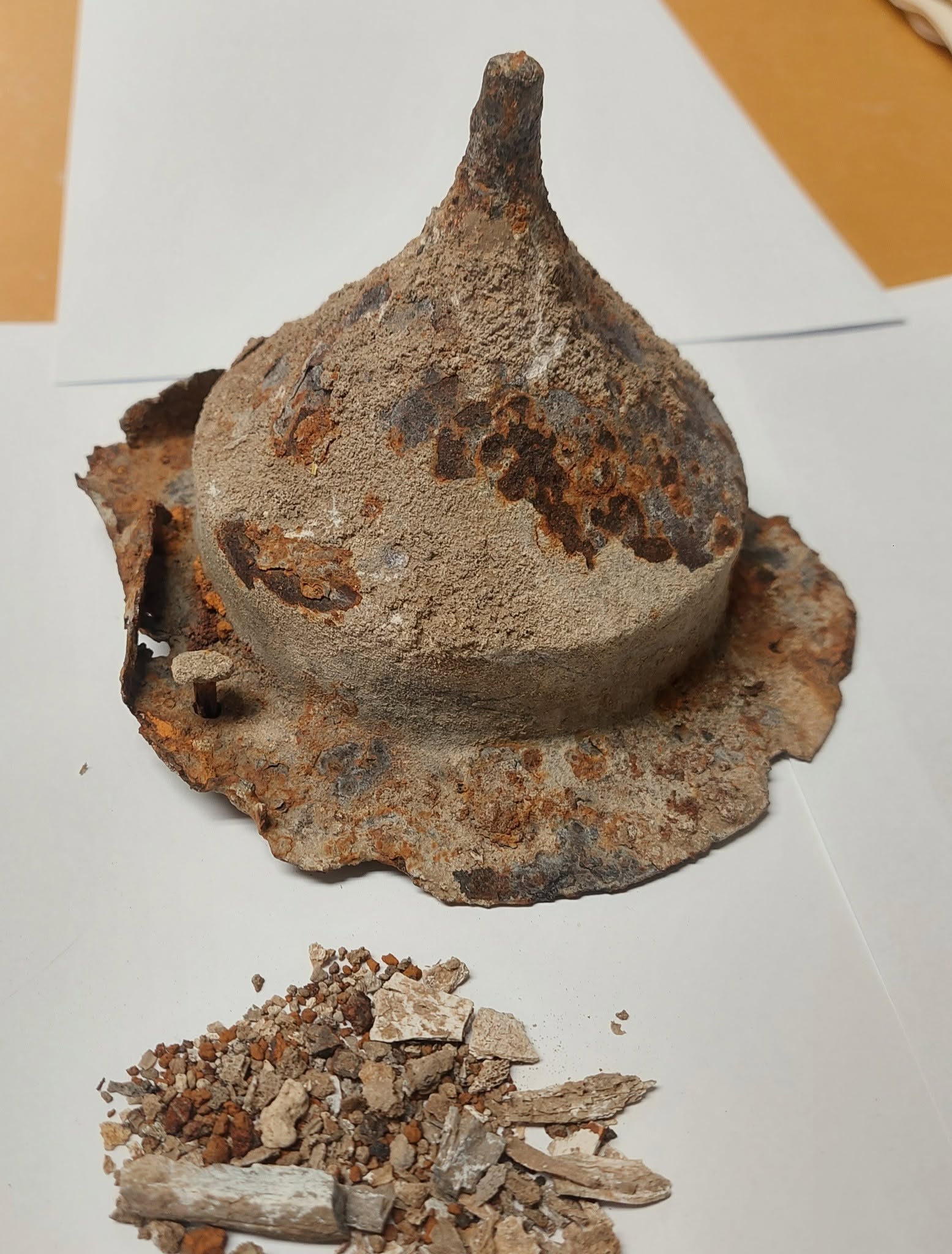
The newfound artifact consists of the shield’s central iron “boss,” or “umbo,” which protected the hand while supporting the wood and leather of the full shield built around it. The wood and leather have now rotted away.
The shields of Roman legionaries also had a central boss. But the Romans never got that far north, and the pointed style of the boss indicates it is of second-century Vandal origin.

Junkyard find
According to the Facebook post, the shield boss was discovered earlier this month at a junkyard in the town of Hrubieszów, near Poland’s southeastern border with Ukraine.
The man who found it immediately knew the artifact was very old, and he sent a photograph of it to the Father Stanisław Staszic Museum at Hrubieszów. Archaeologists there verified its likely origin, and the cremated bones were found during later examinations of a plug of dried earth inside the boss.
“The state of preservation of the umbo, especially its characteristic surface, indicates that it was exposed to high temperatures,” museum representatives stated in the post. “This fact, combined with the burnt bones inside, clearly indicates the cremation burial of a warrior from the Vandal community.” The Vandals are associated with the Przeworsk culture in Poland, after the town where evidence of them was first found.
“Unfortunately, we will probably never know what else was found in this destroyed burial — perhaps a sword, spearheads, javelins, a belt buckle, or a cloak clasp,” the museum team noted.
See if you know what these mysterious artifacts are with our archaeological fragments quiz!

