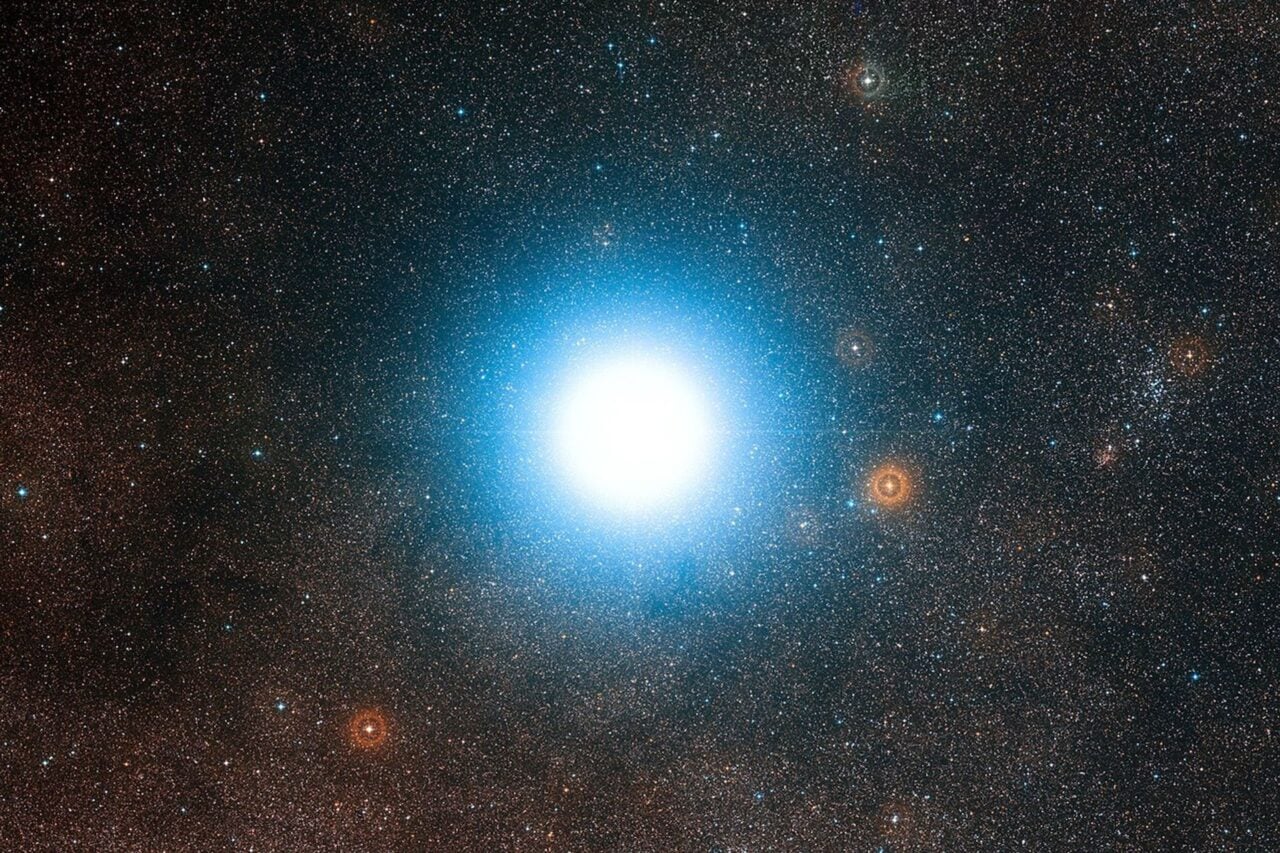
Сиэтл хотод төвтэй ашгийн бус байгууллага 2029 он гэхэд 4.4 гэрлийн жилийн зайд орших одны систем рүү сансрын аппарат илгээхээр төлөвлөж байна.
“Fermi Explorer Mission” багийнхан нарны цахилгаан хөдөлгүүрт системийг ашиглан сансрын аппаратыг Альфа Центаврын систем рүү илгээхээр зорьж байна. Энэхүү төсөл нь уг одны системд хүрэхэд 80,000 жил зарцуулахаар тооцоологдсон бөгөөд төслийн нийт өртөг 15 сая ам.доллараас бага байх юм. Төслийн ерөнхийлөгч Филип Жонстоны хэлснээр, энэ нь ирээдүй хойч үедээ од хоорондын аяллын илүү хурдан арга замыг хөгжүүлэх урам зориг өгөх зорилготой юм.
Аппаратын нислэгийн загварыг “Physical Superintelligence” хиймэл оюун ухааны судалгааны лаборатори боловсруулжээ. Хөөргөсний дараа сансрын аппарат 12 жилийн турш Нарыг тойрон эргэж, хурдаа аажмаар нэмэгдүүлсний эцэст нарны аймгаас гарах хурдаа авч, од хоорондын орон зай руу аяллаа эхлүүлэх юм. Энэхүү аппарат нь 1 кг хүртэлх жинтэй ачааг 10 см хэмжээтэй хамгаалалтын хайрцагт багтаан тээвэрлэх боломжтой аж.
Төслийн удирдагч Гарретт Жэймсоны тайлбарласнаар, энэхүү ажиллагаа нь хүн төрөлхтний од хоорондын аялалд хүрэх эхний алхам бөгөөд төгс нөхцөлийг хүлээхгүйгээр одоо байгаа боломжоо ашиглахыг уриалж байна. Аппаратад “Voyager” сансрын хөлгийн “Golden Record”-ын дижитал хуулбар болон дэлхийн өнцөг булан бүрийн хүүхдүүдийн илгээсэн мэндчилгээг багтаахаар төлөвлөжээ. Одоогийн байдлаар уг баг шинжлэх ухаан болон урлагийн бүтээлүүдийг ачаа болгон илгээх гурван сарын хугацаатай сонгон шалгаруулалтыг зарлахаар бэлтгэж байна.
Дэлгэрэнгүйг эх сурвалжаас харах
Эх сурвалжийг нээх ↓
The founders of a Seattle-based nonprofit want to be the first to launch a spacecraft toward the nearest star system, although they’re hoping they will be among the last to get there.
This week, the Fermi Explorer Mission announced an ambitious plan to send a small probe toward Alpha Centauri by 2029. The spacecraft could take up to 80,000 years to arrive at the star system, which is located 4.4 light-years away.
Philip Johnston, the group’s co-founder and president, is aiming for the long journey to inspire future generations to develop faster ways to travel through interstellar space. “We hope to be both the first to leave and the last to arrive at Alpha Centauri,” he said in a statement.
To the stars
This isn’t the first time a group has aimed for Alpha Centauri. In 2016, a $100 million project backed by tech entrepreneur Yuri Milner announced a plan to reach the star system in 20 years using a fleet of light-driven nanocrafts. The project, Breakthrough Starshot, still lacks a launch date.
Fermi Explorer, on the other hand, aims to use a tried-and-tested solar electric propulsion system to gradually build up speed. “We didn’t want to do another Breakthrough Starshot. We’re dead set on something actually launching,” Johnston told MIT Technology Review. “We are not constraining ourselves to doing it in a human lifetime, let’s just figure out the way to get to another star.”
To reach Alpha Centauri, the team is relying on a mission design developed by Physical Superintelligence, an AI physics research lab. Following launch, the spacecraft will spend around 12 years orbiting the Sun, using the star to gain speed through a series of burn maneuvers. Once it reaches its planned escape velocity, it is expected to slingshot its way out of the solar system and begin its journey through interstellar space.
“None of us will be here when this journey ends, and that is the point,” Johnston said in a statement. “It’s about taking the first achievable step and inspiring future generations to keep pushing beyond the limits we inherited.”
Within reach?
Designing an interstellar mission is not something you can do on a whim. So far, the only two spacecraft to have ventured outside of the solar system are Voyager 1 and 2. And they’re now blindly making their way deeper into interstellar space with no firm target in mind.
As the farthest human-made object, Voyager 1 travels at a speed of approximately 37,844 miles per hour (60,903 km/h) and has covered a distance of around 15.95 billion miles (25.67 billion kilometers) since its launch in 1977. Alpha Centauri is roughly 25 trillion miles (40 trillion kilometers) away from Earth.
Fermi Explorer appears to be nothing but ambitious. The group claims that the entire mission will cost under $15 million, including designing and building the spacecraft.
Should it go through, the spacecraft will carry a minimum payload of 2.2 pounds (1 kilogram) inside a shielded 4 by 4 by 4 inch box (10 by 10 by 10 centimeters).Fermi Explorer will soon open up a three-month solicitation period for scientific and artistic payloads to be carried to Alpha Centauri. The mission also plans on including a digitized copy of the Voyager mission’s Golden Record, as well as messages from children around the world.
“The most inspiring part of this mission is that people do not have to wait for permission or perfect conditions,” Garrett Jameson, a former U.S. Air Force officer who will lead the day-to-day operation, said in a statement. “We can embrace the constraints, build what is possible now, and give the next generation something meaningful to build upon.”


80,000 жилийн аялал гэж бодохоор сэтгэл сэрдгээд байна шүү, энэ төсөл яг ямар зорилготой вэ дээ? Тэгээд эдийн засгийн хувьд хэт тэнгэрийн зүйрлэлтэй санагдаж байна, гэхдээ энэ зүгээр ч нэг мөрөөдөл биш гэж үү? Та энэ төслийг ямар талаас нь сонирхож байна вэ?