Хиймэл оюун ухааны технологийн хөгжил нь ажилчдын цалин нэмэгдүүлэх хүсэлт тавих итгэлийг бууруулж, хөдөлмөрийн зах зээлд сөргөөр нөлөөлж болзошгүйг санхүүгийн шинжээчид онцоллоо.
JPMorgan Asset Management-ийн Глобал стратегийн ахлах захирал Дэвид Келлигийн мэдээлснээр, ажилчид өөрсдийн ажлын байрыг хиймэл оюун ухаанаар солих эрсдэлээс эмээж, цалингаа нэмүүлэх шаардлага тавихаас зайлсхийж байна. Хувийн хэвшлийн ажилчдын 6 хүрэхгүй хувь нь үйлдвэрчний эвлэлд харьяалагддаг тул тэдний эрх ашгийг хамгаалах байдал сул байгаа нь энэхүү нөхцөл байдлыг улам хүндрүүлж байна. CNBC-ийн хөтлөгч Лесли Пикер машин техник нь хүний ажлыг илүү хямд зардлаар гүйцэтгэх боломжтой тул ажилчид ажлаа алдахгүйн тулд чимээгүй ажиллах нь зүйтэй гэсэн байр суурийг илэрхийлжээ.
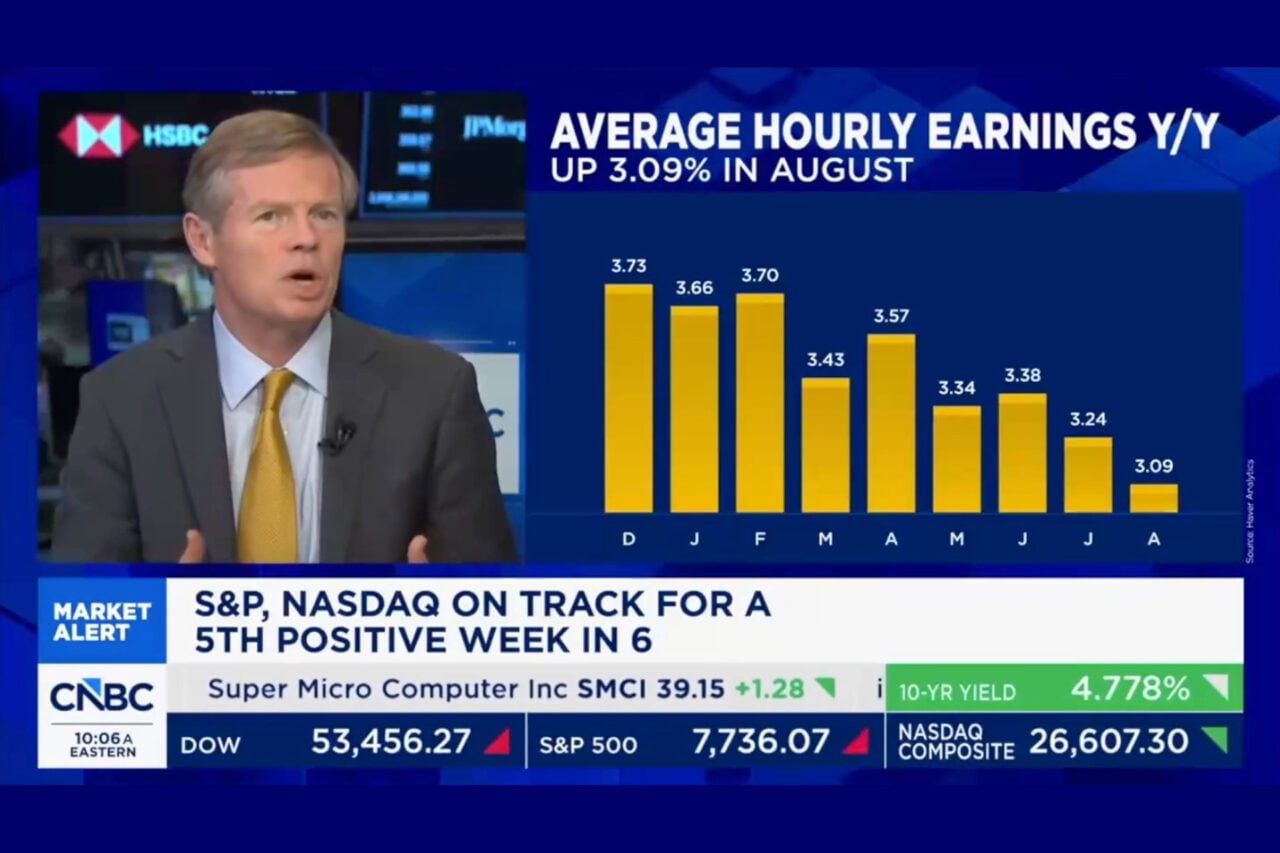
АНУ-д ажилгүйдлийн түвшин 4.1 хувьтай байгаа хэдий ч цалингийн өсөлт зогсонги байдалд орж, инфляцын түвшинтэй харьцуулахад бодит орлого буурч байна. Өнгөрсөн наймдугаар сард цалингийн өсөлт 3.1 хувьтай байсан нь 2021 оны тавдугаар сараас хойших хамгийн доод үзүүлэлт болжээ. Энэ нь хөдөлмөрийн зах зээлийн нөхцөл байдал тоон үзүүлэлтээрээ тогтвортой мэт харагдавч ажилчдын хувьд ажлын байрны баталгаагүй байдал болон хиймэл оюун ухааны дарамт мэдрэгдэж байгааг харуулж байна.
Энэхүү хандлага нь 2022 оны арваннэгдүгээр сард ChatGPT нээлтээ хийснээс хойш илүү тод ажиглагдах болсон юм. Үүнээс өмнөх үед ажилчид ажлын байраа солих өндөр итгэлтэй байсан бол одоо хиймэл оюун ухааны нөлөөгөөр ажлын байраа алдахаас болгоомжлох болсон нь цалингийн хэлэлцээрт сөргөөр нөлөөлж байна.
Дэлгэрэнгүйг эх сурвалжаас харах
↓Эх сурвалжийг нээх ↓
Why do employers love AI? The official story is that it increases productivity, an assertion that has yet to be proven true. But a financial expert on CNBC spoke candidly on Friday about how the rate of wage growth has plummeted this year. And he pointed to the fear workers have of asking for a raise when they could be replaced with AI.
David Kelly, the Chief Global Strategist at JPMorgan Asset Management, pointed out that less than 6% of private sector workers are members of a union, giving them fewer protections when they go to their boss to ask for a higher salary.
“They think this is a scary economy,” Kelly said of workers. “They think they’re threatened by AI and they don’t have the guts, basically, to ask for a wage increase or to demand a wage increase in this economy.”
CNBC host Leslie Picker called that a great point, “because the machine could potentially do your job cheaper. So you better put your head down and keep doing the work.”
When unemployment is low, it usually allows more wage growth because they aren’t stuck in a job they hate, afraid to ask for a raise. The U.S. currently has a 4.1% unemployment rate, which is historically considered very good for worker mobility. Traditionally, in that environment, workers can ask for a raise, and if they lose their job as a result (since most employees are at-will, meaning they have no job protections), they can bet they’ll find another job pretty quickly.
But that’s simply not the case right now. Unemployment is low, but wages are stagnating at a time when inflation is soaring. And it seems clear that AI is a big part of why that’s happening. Wage growth was 3.1% year-over-year in August, while the inflation rate was 3.4% year-over-year in July. The inflation numbers for August haven’t yet come in. As NBC News notes, the July inflation rate was calculated before energy prices started to climb again, meaning the picture is probably much worse, with workers paying more for everything but making less in relative terms.
“We’re at a 4.1% unemployment rate, and that is probably better than it’s been 85% of the time over the last 50 years,” said Kelly. “But if you actually look at perceptions of the labor market—for example, the conference board numbers on are jobs plentiful or hard to get—that’s really right in the middle of its range. It’s better than it’s been about 60% of the time.”
“So it looks, by the numbers, [like] it’s a very tight labor market, but it doesn’t feel that way to workers. And they don’t feel like they’ve got the ability to ask for wage increases. In fact, the wage number today, year-over-year, was the lowest since May of 2021,” he continued.
It’s kind of incredible when guests on CNBC admit how the world actually works. These wealthy people appear on the network to talk about the economy and ways to make obscene amounts of money, typically remembering that they should act as though we live in a meritocracy where everyone wants to see a rising tide lift all boats. But every once in a while you’ll see someone be a little too honest about the way that the U.S. economy is just a machine built to extract as much wealth as possible from the working class.
Back in late 2022, a wealth manager appeared on CNBC to talk about how everything was a “slog” because the average American had too much money to spend and had confidence they could find another job if they lost theirs since unemployment was so low. The unemployment rate at the time was 3.5%.
“The jobs market is about as good as we’ve seen in the last forty or fifty years,” the financial expert told CNBC in Dec. 2022 during a particularly candid moment.
“So they have a job, and they have confidence that they can get another job if they need to. So that’s a really tough nut for the Fed to crack when the U. S. consumer is 70% of the economy. And so we think this is going to take time, and this is going to be a real slog for the next eight to nine months.”
It’s surreal to watch financial news talk about regular people having money to spend and job security as a negative thing. If you ever needed convincing that the health of “the economy” is a conspiracy against working people, watch this clip from CNBC that just aired. pic.twitter.com/MDwsqj6tdu
— Matt Novak (@paleofuture) December 22, 2022
That CNBC appearance happened just a month after ChatGPT launched in Nov. 2022. Thankfully, the ruling class got their wish. The unemployment rate ticked up and, while it’s still very low by historic standards, people are less confident asking for a raise thanks to AI.
As CNBC says, “you better put your head down and keep doing the work.” If you ask for more, you’re likely to be out of work. At least that’s the threat they’re holding over the heads of workers.


Хиймэл оюун ухааныг үнэхээр ажилчдын цалинг нэмэгдүүлэхэд туслахгүй байж болох юм байна. Та ажилчдыг илүү айдастай, цалингаа зогсоохоор болгох зүйлсийн талаар юу гэж бодож байна? Мөн энэ нөхцөлд хөдөлмөрийн зах зээл ямар өөрчлөлтөд орж болох вэ?