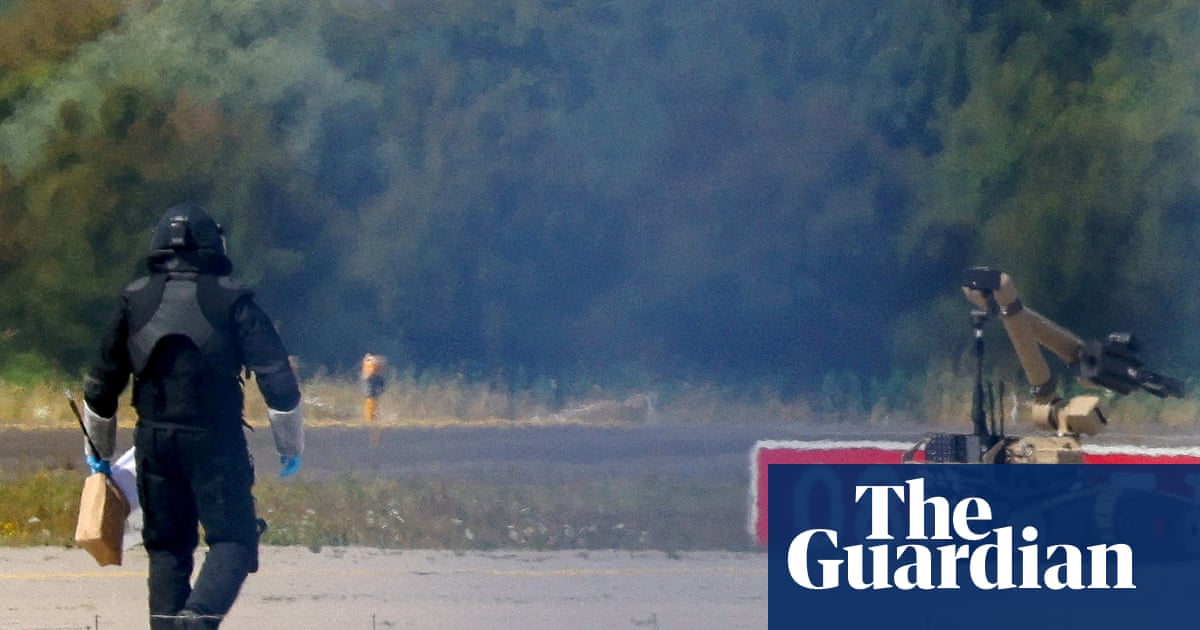
Лейпцигийн нисэх онгоцны буудалд хийхээр завдсан хорлон сүйтгэх ажиллагаатай холбогдуулан Берлин визийн бодлогоо эргэн харахыг шаардаж байна.
Германы эрх баригчид Лейпцигийн нисэх онгоцны буудал руу дроноор халдлага үйлдэхийг завдсан хэрэгт ОХУ-ын паспорттой, Беларусь улсын иргэнийг шалгаж байна. Тус иргэн нь Италийн Элчин сайдын яамнаас олгосон жуулчлалын визээр Шенгений бүсэд нэвтэрсэн нь тогтоогджээ. Германы Гадаад хэргийн яам ОХУ-ын иргэдэд олгож буй визийн тоо хэт өндөр байгаа нь Европын холбооны хориг арга хэмжээний зорилготой зөрчилдөж, аюулгүй байдалд эрсдэл учруулж байна гэж үзэж байна.
Итали улс 2025 онд ОХУ болон Беларусийн иргэдэд хамгийн олон Шенгений виз олгосон орнуудын нэг болжээ. Тухайлбал, Италийн олгосон визийн тоо 2021 онтой харьцуулахад ОХУ-ын иргэдийн хувьд 165 мянга гаруй болж, бараг гурав дахин өссөн байна. Герман улс үүний хариуд ОХУ-ын Бонн дахь консулын газрыг хааж, Оросын тагнуулын үйл ажиллагаанд хяналтаа чангатгахаа мэдэгдлээ.
Европын холбооны зарим гишүүн орнууд визийн олголтоо эрс багасгасан ч бусад гишүүн орнууд олголтоо үргэлжлүүлсээр байгааг мэргэжилтнүүд шүүмжилж байна. Германы Бундестагийн гадаад бодлого, аюулгүй байдлын шинжээч Родерих Кисеветтер визийн хөтөлбөрийг нэн даруй зогсоохыг уриалж, жуулчлалын визийг тагнуул болон хорлон сүйтгэх ажиллагаанд ашиглах эрсдэлтэйг анхааруулав.
Зарим шинжээчид Оросын тагнуулын албад мэргэжлийн ажилтнууд илгээхээс илүүтэйгээр цахим сүлжээгээр дамжуулан бусад орны иргэдийг хөлслөн, крипто валютаар төлбөр хийх замаар хорлон сүйтгэх ажиллагаа явуулах тактикийг түлхүү ашиглаж байгааг онцолж байна. Энэ нь зөвхөн визийн хяналтыг чангатгахад асуудал бүрэн шийдэгдэхгүй байж болзошгүйг харуулж байна.
Дэлгэрэнгүйг эх сурвалжаас харах
↓Эх сурвалжийг нээх ↓
Germany is urging its European partners to introduce tighter limitations on Russian citizens entering the EU on tourist visas, after recent sabotage attacks which Berlin has blamed on Moscow.
German authorities are investigating a Belarusian national, who also holds a Russian passport, over the alleged attempt to attack Leipzig airport using drones and explosives.
The man is alleged to have entered the Schengen area on a tourist visa issued by the Italian embassy in Minsk, the capital of Belarus. Security sources said he did not appear to have ever travelled through Italy.
Germany’s foreign ministry has complained that too many visas were being issued to Russians.
“The number of visas issued for Russian nationals for holidays in the European Union is too high,” a spokesperson said.
Sources close to the government say the sheer number of visas being issued to Russians goes against the spirit of sanctions related to the Ukraine war, and make it impossible to know who is entering the EU and for what purpose.
Figures show that Italy issued more Schengen visas than any other country in the bloc in 2025; between them, Italy, France and Spain received three-quarters of all visa applications from Russians, according to Euractiv.
Italy issued more visas to Belarusians than any other EU country last year, and the number has risen sharply since Russia’s full-scale invasion of Ukraine. According to European Commission statistics analysed by the Italian news website Linkiesta, Italy issued just 2,968 visas to Belarusian citizens in 2021, compared with 50,709 last year.
A similar trend can be seen with Russia. Italian visas issued to Russian citizens rose from 63,894 in 2021 to more than 165,000 in 2025, almost tripling despite the war.
Germany’s government this week announced measures to hit back at the Kremlin, after it said Russian intelligence was likely to have been behind the alleged Leipzig plot. These included closing the Russian consulate in Bonn, summoning the Russian ambassador to the foreign ministry, and tightening the monitoring of Russia’s shadow fleet of illegal vessels carrying oil in the Baltic Sea.
The EU also announced a 22nd package of sanctions, and said it was expanding its list of Russians who would not be allowed to enter the EU.
Italy’s foreign minister, Antonio Tajani, has ordered checks on the visa issued to the Belarusian suspect in the Leipzig case.
“There is a process for granting visas, because certain requirements have to be met,” Tajani said. “If people meet those requirements and there is no alert concerning them individually, the visa is granted. If that is what happened, we will try to understand why that visa was issued.”
Estonia, Finland, Latvia, Lithuania, Poland and the Czech Republic have all but stopped issuing visas to Russian citizens, adopting national restrictions that go beyond EU measures. But several other member states have continued granting large numbers of visas, in some cases increasing them.
“Countries closer to Russia geographically, or with sizeable Russian minorities, are shutting their borders altogether or sharply reducing the number of visas they issue, including to students,” said Eleonora Tafuro Ambrosetti, a senior research fellow and co-head of the Russia, Caucasus and Central Asia Centre at the Italian Institute for International Political Studies (ISPI).
after newsletter promotion
Roderich Kiesewetter, a leading foreign and security policy expert for the governing CDU in the Bundestag, called on the EU to immediately suspend its tourist visa programme for Russians, calling it “untenable” from both a security and moral perspective.
Kiesewetter said the security risk posed was “enormous”. The ability for Russians to move freely within the EU with a visa was being “exploited for espionage and sabotage”, he said.
He urged the EU to restrict giving visas to Russians “to the absolute minimum”.
“This excessive issuance of tourist visas to Russians contradicts the European strategy of isolating Russia,” he said. “It creates a false impression of normalisation for wealthy Russians, precisely those who benefit from the Kremlin’s reign of terror.” He said it was not right that Russia “wages daily a brutal war of aggression and annihilation against Ukraine while Russians continue to holiday without a care in the EU”.
Some anti-war Russian activists in Europe have argued that tightening visa controls for all Russian citizens may do little to curb Moscow’s sabotage campaign.
They point to a shift in tactics by Russian intelligence services, which increasingly rely not on professional operatives sent across Europe but on people recruited remotely, often through Telegram channels and paid in cryptocurrency to carry out individual tasks.
This allows the Russian intelligence officers directing the operations to remain safely at home. In several recent cases prosecuted in Germany and Lithuania, the alleged recruits were Ukrainian or Baltic citizens rather than Russians.


Герман улс Оросын иргэдийн визийн тоог хязгаарлахыг хүсч байна гэсэн мэдээлэл нэг талаар ойлгомжтой ч, энэ асуудал үнэхээр ямар үр дүнд хүргэж болохыг та юу гэж бодож байна? Визийн хязгаарлалт нь зөвхөн аюулгүй байдлыг хамгаалах уу, эсвэл эдийн засаг, жуулчлалын салбарт сөрөг нөлөө үзүүлэх үү?