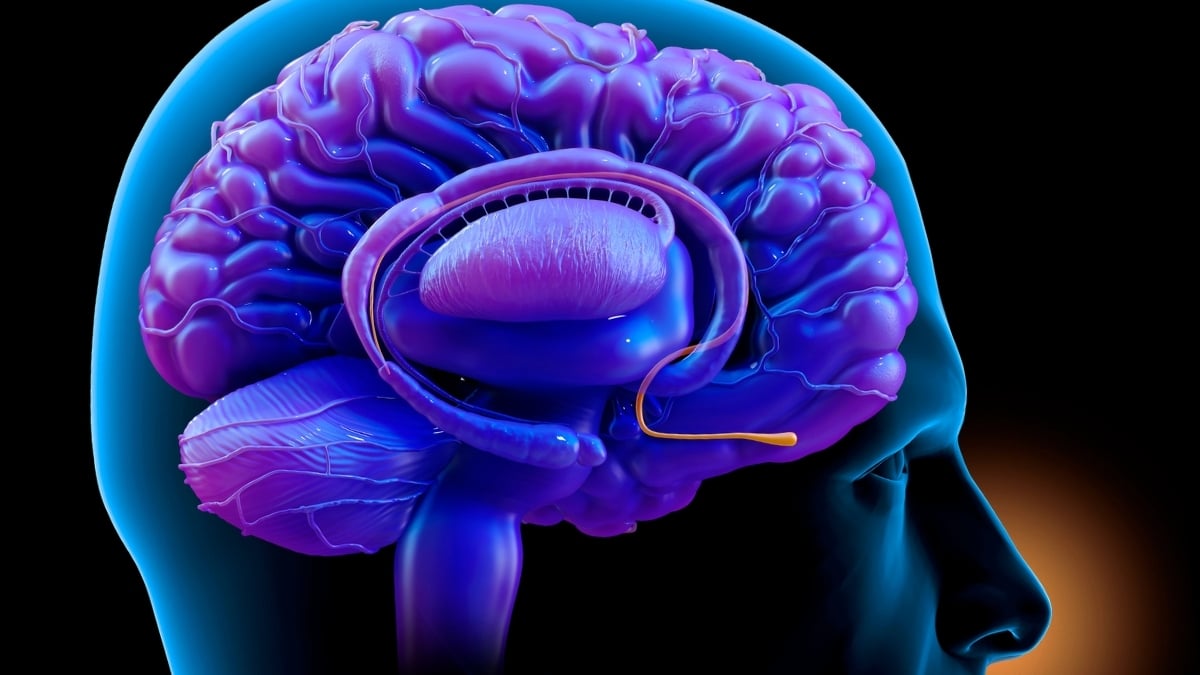
Шинэ судалгаагаар хамраар амьсгалах нь тархины мэдрэлийн үйл ажиллагаанд нөлөөлж, сэтгэл зүйн түгшүүрийг зохицуулдаг болохыг тогтоожээ.
Дэлхий даяар 359 сая орчим хүн түгшүүрийн эмгэгээр шаналж байгаа бөгөөд амьсгалын дасгал нь үүнийг бууруулах үр дүнтэй аргад тооцогддог. PNAS сэтгүүлд хэвлэгдсэн шинэ судалгаагаар хамраар амьсгалах үед үүсдэг “хамар-тархины хэлхээ” нь сэтгэл хөдлөлд хэрхэн нөлөөлдөг болохыг хулгана дээр хийсэн туршилтаар судалжээ. Судлаачид хамрын хөндийд байрлах үнэрлэх мэдрэлийн эсүүд (OSN) нь агаарын урсгалыг мэдэрч, дохиог тархины үнэрлэх булцуу болон сэтгэл хөдлөл, стрессийг зохицуулдаг лимбийн систем рүү дамжуулдаг болохыг илрүүлсэн байна.
Туршилтын явцад эрдэмтэд оптогенетик болон бусад аргаар хамрын мэдрэлийн эсүүдийг өдөөж, агаарын урсгалын давтамжийг хянажээ. Үр дүнд нь хамраар удаан амьсгалах нь мэдрэлийн эсүүдийн үйл ажиллагааг сэргээж, түгшүүртэй төстэй зан үйлийг бууруулдаг болох нь тогтоогдсон. Харин хамрын мэдрэлийн хэлхээг идэвхгүй болгоход амьсгалын давтамж болон түгшүүр зохицуулалтын хоорондох холбоос арилж байв.
Тус судалгаа нь хамраар амьсгалах давтамж нь тархины үйл ажиллагааг чиглүүлдэг болохыг харуулж байгаа ч энэ нь зөвхөн эрэгчин хулгана дээр хийгдсэн туршилт гэдгийг анхаарах нь зүйтэй. Иймд энэхүү механизм хүмүүст хэрхэн нөлөөлөхийг батлахын тулд цаашид нэмэлт судалгаа хийх шаардлагатай. Хэдийгээр эрт шатны судалгаа боловч, энэ нь хамраар удаан амьсгалах дасгалыг түгшүүрийн эмгэгийг эмчлэх энгийн бөгөөд инвазив бус арга байж болохыг харуулж байна.
Дэлгэрэнгүйг эх сурвалжаас харах
↓Эх сурвалжийг нээх ↓
Anxiety disorders are humanity’s most common mental disorders, affecting some 359 million people globally.
Controlled breathing can help many people regulate their anxiety, as research has shown, although it remains unclear exactly how this works.
In a new mouse study published in PNAS, researchers identify a novel “nose-to-brain circuit” that may explain one way that nasal breathing can influence anxiety.
Humans have long appreciated the emotional effects of breathing, as manifested in deep-rooted cultural traditions such as pranayama, Taoist breathing practices, and various forms of meditation.
Modern science also increasingly supports the link between breathing patterns and brain regulation, with new evidence suggesting neural patterns respond even to subtle variations from one breath to the next.
Studies have shown that slow, regular breathing can have “profound modulatory effects on emotional states” and is clinically effective against anxiety disorders, the authors of the new study write.
We know our automatic breathing rhythm begins in the brainstem, and that our deliberate modulation of that rhythm employs a frontal cortico-brainstem ‘top-down’ pathway, so called because it lets us consciously override an autonomic process like breathing.
We don’t know much, however, about the specific neural mechanisms that allow either type of breathing to influence anxiety. That’s where the new study comes in, seeking to help unlock the full potential for breathing exercises as a simple, noninvasive anxiety treatment.
Previous research offered clues. Breathing can affect mouse emotions regardless of how it originates, including via top-down circuit manipulation (to mimic conscious breathing) and brainstem manipulation.
“This implies the existence of a nonconscious body-brain interaction for breathing-emotion regulation, in addition to volitional control,” the authors write.
Slow nasal breathing seems to tame anxiety more effectively than slow mouth breathing, hinting at something unique about the nose in emotional modulation. Nasal breathing rhythm also has been shown to synchronize brain oscillations in both humans and rodents.
Inside the nasal cavity, special cells called olfactory sensory neurons (OSNs) may play a key role. While OSNs detect odorants and send resulting signals to the brain, research shows they’re also mechanosensitive to airflow inside the nose.
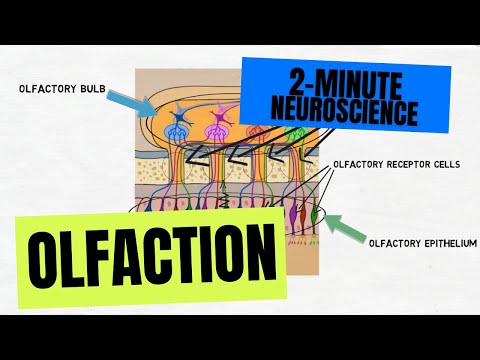
OSN activity triggers corresponding commotion in the olfactory bulb, a forebrain structure involved with smell that also connects with the limbic system –a network of brain structures that help regulate emotions and stress responses.
These and other findings suggest mammals have some kind of “nasal-limbic mechanism,” the researchers write, that may allow nasal breathing frequency to shape OSN activity via sensory signals, which in turn helps modulate anxiety in the brain.
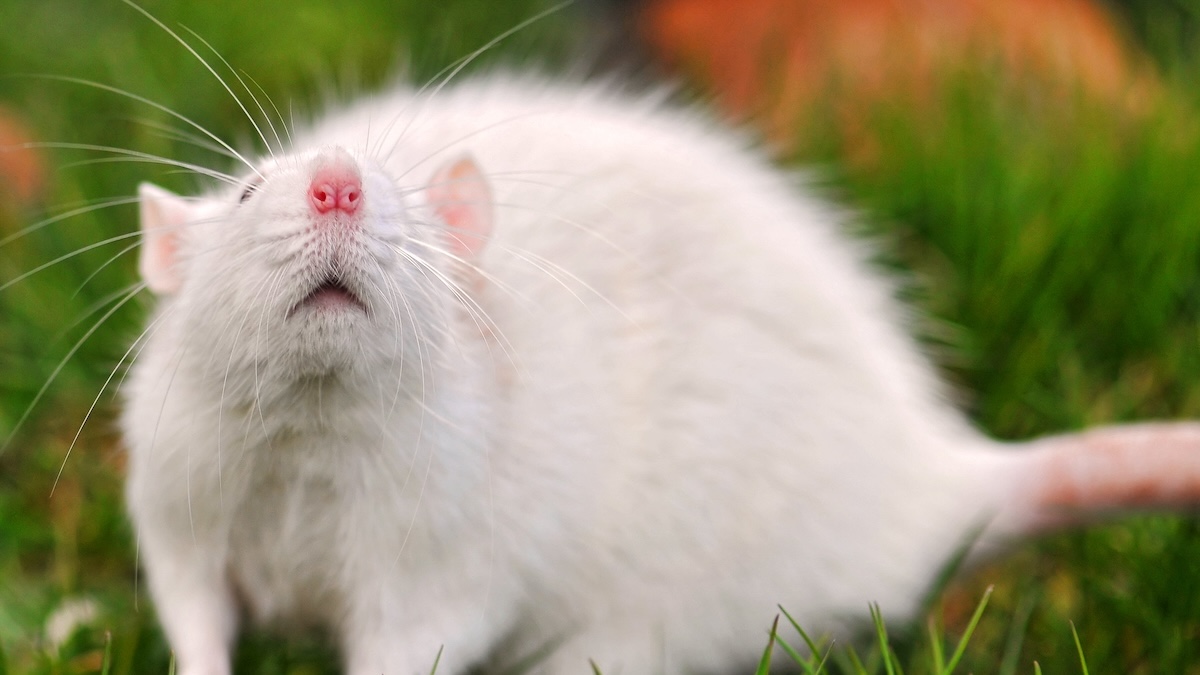
To test this idea, they manipulated the frequency of nasal sensory signals in male mice using optogenetic OSN stimulation, and controlled airflow into their nasal cavities through implanted cannulas.
“We leveraged optogenetics, chemogenetics, electrophysiology, fiber photometry, behavioral tests, and viral tracing to uncover the cellular and circuit mechanisms underlying this nose-emotion modulation,” they write.
The pathway they found starts with OSNs, which sense nasal inhalations and pass signals to mitral cells in the olfactory bulb. Information travels from there to long-projecting interneurons in the perirhinal cortex, and finally to glutamatergic neurons in the posterior basolateral amygdala.
Nasal airflow regulates anxiety-like behavior through this pathway in a frequency-dependent manner, the study found, so the effect may depend on how often we take in air through the nose.
The effect is also bidirectional, which suggests faster breathing could amplify anxiety just as slower breathing seems to relieve it.

When researchers chemogenetically silenced the olfactory-bulb-to-perirhinal-cortex part of this pathway, the link between nasal sensory signal frequency and anxiety regulation vanished.
Activating or inhibiting the circuit had anti-anxiety or pro-anxiety effects, respectively, as did low- and high-frequency OSN stimulations.
The researchers also put some mice on a two-week regimen of controlled slow nasal airflow, which restored neural activity and reduced anxiety-like behaviors.
Related: Deep, Calming Breaths May Actually Increase Risk-Taking Behavior
The study used only male mice, experimental stress procedures, and highly controlled stimulation and airflow, so much more research is needed to determine whether the effects translate to humans.
But this suggests slow nasal respiration – at about half the normal rate – could eventually offer a simple, noninvasive approach to treating anxiety, according to the researchers.
The study was published in the Proceedings of the National Academy of Sciences.
This article was fact-checked by Rebecca Dyer and edited by Rebecca Dyer. While we pride ourselves on our process, we are only human. If you spot a mistake, please let us know.

