
Шинэ судалгаагаар шар буурцгийн тосны гол бүрэлдэхүүн хэсэг болох линолийн хүчил нь элэгний уурагтай харилцан үйлчлэлцсэний улмаас таргалалт үүсгэж болзошгүйг тогтоов.
Сүүлийн зуун жилд шар буурцгийн тосны хэрэглээ 1,000 дахин нэмэгдсэн нь эрүүл мэндэд үзүүлэх нөлөөг судлах шаардлагатай болгож байна. California, Riverside (UCR)-ийн эрдэмтдийн “Journal of Lipid Research” сэтгүүлд нийтэлсэн судалгаагаар линолийн хүчил нь элэгний HNF4α уурагтай холбогдон бодисын солилцоог өөрчилж, таргалалтад хүргэж болохыг илрүүлжээ. Эрдэмтэд хулгана дээр хийсэн туршилтаар шар буурцгийн тос ихтэй хоолны дэглэм баримталсан хэвийн хулганууд жин нэмж байсан бол HNF4α уураг нь өөрчлөгдсөн хулганууд жин нэмээгүй байна.
Судлаач Сониа Деолын тайлбарласнаар, энэхүү уураг нь өөх тосыг боловсруулах явцад үүсдэг оксилипин хэмээх молекулуудын үйлчлэлд гол үүрэг гүйцэтгэдэг аж. Эдгээр молекул нь өөх тосны хуримтлалд нөлөөлдөг байж болзошгүй гэж үзэж байгаа ч ягштал тодорхой механизм нь хараахан тогтоогдоогүй байна. Мөн эсийн эрчим хүчний эх үүсвэр болох митохондрийн үйл ажиллагааны өөрчлөлт нь энэхүү үйл явцад оролцож байж магадгүй тул цаашид нэмэлт судалгаа шаардлагатай байна.
Эрдэмтэн Франсес Сладек шар буурцгийн тос нь өөрөө эсвэл линолийн хүчил дангаараа бус, харин бие махбодод боловсруулагдах явцад үүсэж буй нэгдлүүд нь таргалалтын эрсдэлийг нэмэгдүүлж байгааг онцолжээ. Хэдийгээр шар буурцгийн тос нь өөрөө хор хөнөөлтэй зүйл биш боловч орчин үеийн хоол хүнсэнд хэрэглэж буй хэт их хэмжээ нь хүний бие махбодын дасан зохицох чадвараас давж байна. Одоогоор хүн дээр хийх туршилт төлөвлөөгүй байгаа бөгөөд энэхүү судалгаа нь таргалалтын шалтгааныг ойлгох, урьдчилан сэргийлэх арга замыг олоход чиглэж байна.
Дэлгэрэнгүйг эх сурвалжаас харах
↓Эх сурвалжийг нээх ↓
Soybean oil has become widespread in our diets in recent times – we’re now consuming about 1,000x more of it than we were a century ago, due to its use as a cooking oil and as an ingredient in processed foods – and researchers have some serious concerns about how that might be affecting our health.
A study published in the Journal of Lipid Research looks particularly at linoleic acid, an essential fat and the major component of soybean oil, and how it might be related to obesity and changes in the body’s metabolism (energy-producing processes).
In the study, led by a team from the University of California, Riverside (UCR), groups of mice were fed for several months with either a soybean oil diet (high in linoleic acid), a high-fat coconut oil diet (low in linoleic acid), or a low-fat diet.
However, there was a twist: Some of the mice were genetically engineered to produce a different form of a liver protein crucial in processing fats.
The normal mice on the high-fat soybean oil diet gained weight as expected, but the mice carrying the genetic tweak didn’t, despite being on the same diet. It’s compelling evidence that the liver protein, called HNF4α, is key to the link between soybean oil and obesity.
“This may be the first step toward understanding why some people gain weight more easily than others on a diet high in soybean oil,” says biomedical scientist Sonia Deol, from UCR.
Variations in the HNF4α protein affect hundreds of genes related to fat metabolism, including influencing how linoleic acid is converted into what are called oxylipins. These active molecules are produced as the body processes fats.
It now looks likely that these oxylipins are crucial to fat accumulation, though the exact mechanisms aren’t clear yet. It’s a study topic these researchers have been working on for over a decade, since a previous study linked soybean oil to weight gain.
“We’ve known since our 2015 study that soybean oil is more obesogenic than coconut oil,” says cell biologist Frances Sladek, from UCR. “But now we have the clearest evidence yet that it’s not the oil itself, or even linoleic acid. It’s what the fat turns into inside the body.”
The researchers also found that the mice on the low-fat diet had similar levels of oxylipins as those that became obese on the soybean oil diet. There’s something about the combination of these molecules and a high-fat diet that makes a difference.
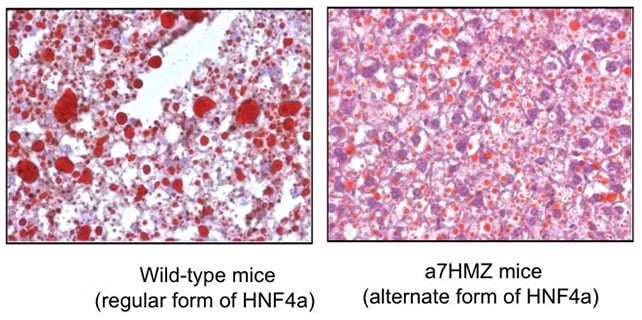
What’s more, the HNF4α protein version that the researchers switched some of the mice to, and which protected against obesity, can become dominant in human livers during times of chronic illness or metabolic stress.
These are all useful clues for future research. The study authors think shifts in the operation of cell power stations called mitochondria might also be involved, though this needs further investigation.
The researchers don’t have any plans for human trials yet, but think that rapid increases in soybean oil consumption and the related fats are proving hard for our bodies to handle.
“Soybean oil isn’t inherently evil, but the quantities in which we consume are triggering pathways our bodies didn’t evolve to handle,” says Deol.

We know obesity is a growing global problem that impacts many other areas of health, and despite advances in treatments such as GLP-1 drugs, new medications and prevention methods are still very much needed.
Knowing more about how the commonplace foods in our diet affect fat accumulation gets us closer to that – and the researchers behind the study are keen to raise awareness around these connections.
Related: 70% of US May Be Classed as Obese Under New Measures
“It took 100 years from the first observed link between chewing tobacco and cancer to get warning labels on cigarettes,” says Sladek.
“We hope it won’t take that long for society to recognize the link between excessive soybean oil consumption and negative health effects.”
The research has been published in the Journal of Lipid Research.
This article was fact-checked by Fiona MacDonald and edited by Fiona MacDonald. While we pride ourselves on our process, we are only human. If you spot a mistake, please let us know.

