Судлаачид амьсгалын багтраа өвчний улмаас нас барсан хүмүүсийн эрхтнүүдийг судалж, дархлааны хариу урвал уушгинаас гадна гэдэстэй холбоотой тунгалагийн зангилаанд илэрч байгааг тогтоожээ.
Nature Communications сэтгүүлд нийтлэгдсэн уг судалгааг Колумбиа их сургуулийн судлаач Юнсён Ли, Донна Фарбер нар удирдсан байна. Тэд 2012-2025 оны хооронд эрхтнээ донорлосон 695 хүний дээжид шинжилгээ хийжээ. Үүнд багтраа өвчний улмаас нас барсан 41 хүн, багтраатай ч өөр шалтгаанаар нас барсан 78 хүн болон багтраагүй 576 хүний мэдээлэл багтсан байна.
Шинжилгээгээр багтраа өвчний улмаас нас барсан хүмүүсийн цусан дахь IgE эсрэг биеийн хэмжээ хэвийн хэмжээнээс өндөр байжээ. Түүнчлэн уушги болон гэдэстэй холбоотой тунгалагийн зангилаанд дархлааны эсүүдийн идэвхжил өөрчлөгдсөн нь ажиглагдсан бөгөөд энэ нь уушгины үрэвслийг улам идэвхжүүлдэг байж болзошгүй гэж судлаачид үзэж байна.
Гэсэн хэдий ч энэхүү судалгаа нь зөвхөн хамаарлыг харуулсан бөгөөд шууд шалтгаан үр дагаврыг тогтоох боломжгүй гэдгийг судлаачид онцолжээ. Судалгаагаар хоол хүнс, гэдэсний бактери, эсвэл хоол боловсруулах тогтолцооны асуудал багтрааг үүсгэдэг гэсэн дүгнэлт гараагүй байна. Энэхүү нээлт нь одоогоор ямар нэгэн шинэ оношлогоо, эмчилгээний арга болоогүй бөгөөд цаашид молекулын түвшний нарийвчилсан судалгаа шаардлагатай юм.
Дэлгэрэнгүйг эх сурвалжаас харах
↓Эх сурвалжийг нээх ↓
A fatal asthma attack appears to be a disaster contained entirely within the chest.
The airways tighten, their lining swells, and mucus crowds the little space that remains. The lungs are where the crisis unfolds – but they may not be where the story begins.
Tissues from people who died during asthma attacks have revealed disturbed immune activity across the body, including in lymph nodes associated with the gut.
This doesn’t mean food, digestive problems, or gut bacteria cause fatal asthma. Instead, the immune system may prepare the conditions for a devastating attack beyond the lungs.
A new study published in Nature Communications investigated why a common respiratory condition becomes deadly in a small number of cases.
During an attack, muscles contract around the airways while inflammation and mucus restrict airflow. This squeezing can evendamage cells lining the airways, potentially feeding further inflammation.
Studying immune activity simultaneously across several organs is difficult. Deceased organ donors gave immunologists Yoonseung Lee and Donna Farber of Columbia University and their colleagues a rare opportunity to do it.
The researchers analyzed samples collected from 695 organ donors between 2012 and 2025. 41 had died during an asthma attack, 78 had asthma but died from unrelated causes, and 576 had no documented asthma.
The first conspicuous clue was immunoglobulin E (IgE), an antibody involved in allergies. When the immune system mistakes pollen or dust mites for a threat, IgE can activate mast cells, promoting inflammation and mucus production.
Every fatal-asthma donor whose IgE was measured had levels above the reference threshold. Together with other findings, this indicated a strong type 2 inflammatory pattern.
The same pattern appeared in their lungs, which contained greater proportions of type 2 helper T cells, type 2 innate lymphoid cells, and mast cells. When overly active, these cells can amplify swelling and mucus production in already narrowing airways.
The team then examined lymph nodes – meeting places where immune cells exchange information and prepare their responses.
“What surprised us most was where some of the strongest immune abnormalities appeared,” Lee told ScienceAlert.
“We expected the lung to carry much of the signal, but we also found striking differences in the lymph nodes associated with the lungs and the gut – sites where immune responses are organized rather than where asthma symptoms are directly experienced.”
Memory T and B cells accumulated at younger ages in mucosal-associated lymph nodes of fatal-asthma donors than in people without asthma. This suggests fatal asthma may involve earlier immune changes of the kind normally associated with aging.
Memory cells record previous encounters, helping the immune system respond quickly when a threat returns. But in asthma, harmless substances can trigger the alarm, so more memory cells might help an unnecessary inflammatory response return sooner or last longer.
Lung-associated lymph nodes also contained markedly fewer regulatory T cells, or Tregs, which help prevent excessive immune responses. This reduction appeared both in donors with asthma and those who died during an attack.
According to Lee, that suggests the reduction is associated with asthma itself, rather than only the final exacerbation.
The immune system’s accelerator appeared stronger while its brakes appeared weaker.

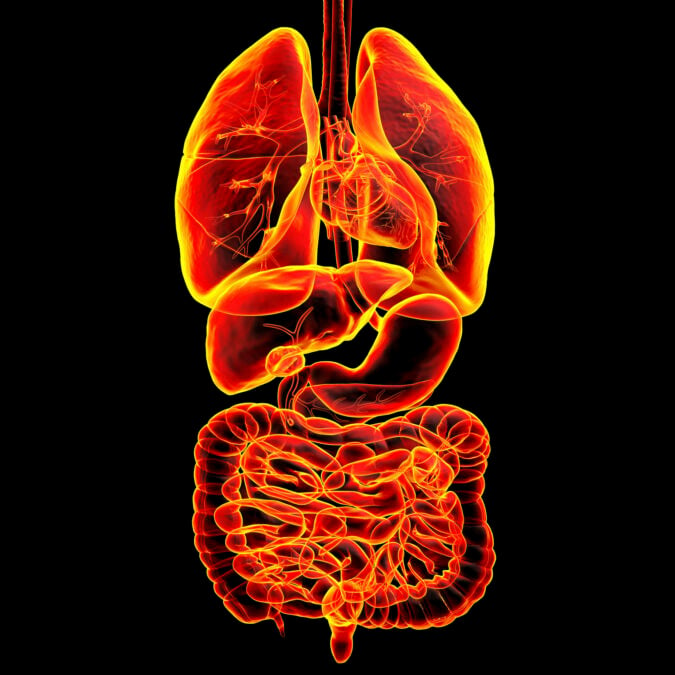
The gut connection emerged when the team compared immune activity across tissues. In fatal asthma, immune populations in the lungs showed more associations with responses in gut-associated lymph nodes than they did in people without asthma.
The pattern raises the possibility that immune events contributing to an attack may not be confined to the lungs and could begin in the gut or nearby lymphoid tissue.
“Importantly, our study shows associations rather than causation,” Lee said.
Each donor provided only a single snapshot of the immune system, so the researchers couldn’t determine where the response began or track cells moving between tissues.
Previous research has connectedcertain intestinal bacteria early in life with later asthma risk. But this study did not examine bacteria, diet, or digestive health. Its gut connection concerns immune cells inside lymph nodes near the intestines – not evidence that a particular meal or microbe triggers fatal attacks.
The study also can’t establish whether the immune differences contributed to the deaths or resulted from the fatal attacks. The fatal asthma group was relatively small, and information about corticosteroid use, which can alter immune activity, was unavailable.
Further transcriptomic and spatial analyses may help identify the molecular pathways and cellular interactions involved. For now, however, the findings offer neither a new test nor a treatment.
Related: Asthma Attacks May Cause Damage Scientists Never Noticed Before
The final crisis of fatal asthma takes place in the lungs. But the immune system may have been setting the stage elsewhere in the body.
Thestudywas published inNature Communications.
This article was fact-checked by Michael Irving and edited by Michael Irving. While we pride ourselves on our process, we are only human. If you spot a mistake, please let us know.

