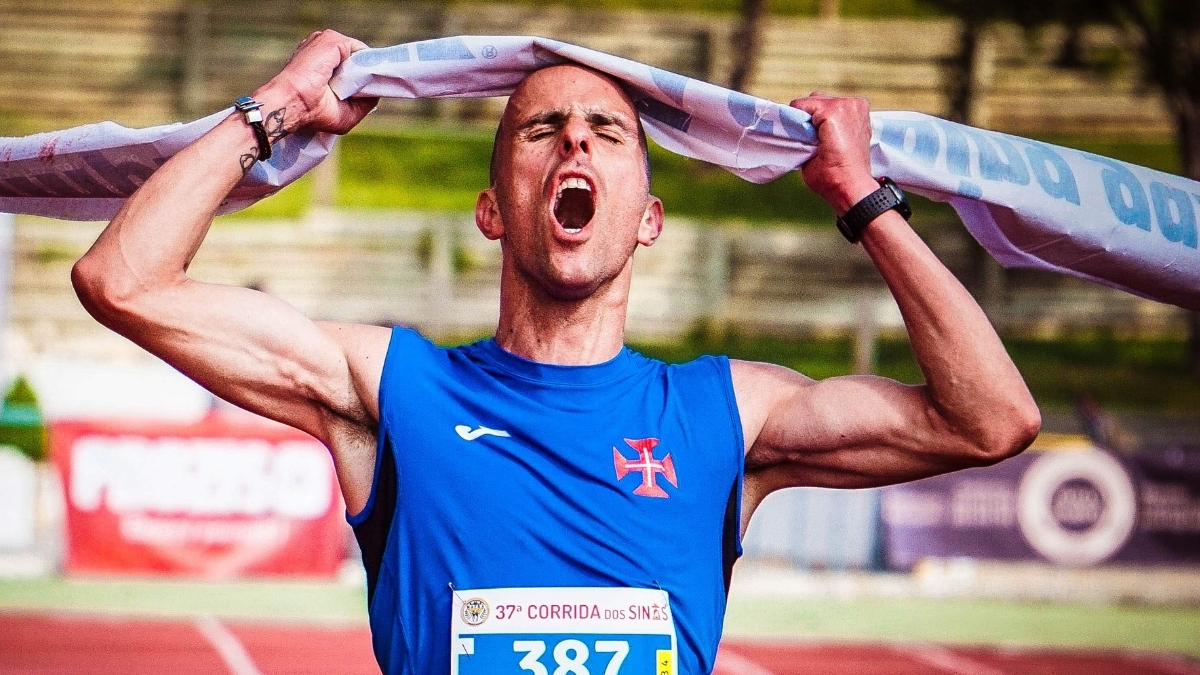
Шинэ судалгаагаар удаан хугацааны гүйлтийн үед биед ялгардаг химийн нэгдлүүд нь өвдөлт болон сэтгэл зүйн байдлыг зохицуулахад хэрхэн нөлөөлдөг болохыг судалжээ.
Германы Duisburg-Essen их сургуулийн сэтгэцийн эмч Майкл Сиберс болон түүний баг марафон болон хэт холын зайн гүйлтийн тамирчдын дунд хоёр үе шаттай судалгаа явуулжээ. Энэхүү судалгаагаар бие махбод дахь эндоканнабиноид буюу анандамид болон 2-AG хэмээх химийн нэгдлүүдийн түвшин гүйлтийн үеэр хэрхэн өөрчлөгдөж буйг хянасан байна. Судалгаанд оролцогчдын цусан дахь анандамидын түвшин гүйлтийн явцад тогтмол нэмэгдэж байсан бол 2-AG нэгдэл нь гүйлтийн сүүл хэсэг болон нөхөн сэргээх үед илүү идэвхжиж байв. Эдгээр нэгдэл нь бие махбодыг ачаалалд дасан зохицох, үрэвсэл болон өвдөлтийг зохицуулахад тусалдаг болохыг судлаачид тэмдэглэжээ.
BMC Medicine сэтгүүлд нийтлэгдсэн уг судалгаагаар марафон гүйлт нь алхалттай харьцуулахад оролцогчдын сэтгэл санааг өөдрөг болгож, түгшүүрийг бууруулдаг болох нь ажиглагдсан байна. Гэсэн хэдий ч 28 км-ээс дээш зайд гүйх үед бие махбодын өвдөлтийн мэдрэмж эрс нэмэгдсэн байна. Мөн хэт холын зайн гүйгчдийн хувьд эндоканнабиноидын түвшин нэмэгдсэн ч тэдний сэтгэл ханамжид томоохон өөрчлөлт гараагүй нь “гүйгчийн жаргал” хэмээх ойлголт нь зөвхөн химийн нэгдлүүдээс гадна олон хүчин зүйлээс хамаардаг болохыг харуулж байна.
Судлаачид эндоканнабиноид нь тархинд шууд нөлөөлдөг эсэхийг цусан дахь шинжилгээгээр бүрэн нотлох боломжгүй гэдгийг онцолжээ. Энэхүү үр дүн нь эндоканнабиноидын систем нь сэтгэл зүй болон бие махбодын ачааллыг даван туулахад чухал үүрэгтэй болохыг харуулж байгаа ч цаашид илүү нарийвчилсан судалгаа шаардлагатай байна. Уг судалгаанд оролцогчдын тоо цөөн байсан бөгөөд нойр, хооллолт, стрессийн түвшин зэрэг хүчин зүйлсийг бүрэн хянах боломжгүй байсан нь судалгааны хязгаарлагдмал тал юм.
Дэлгэрэнгүйг эх сурвалжаас харах
↓Эх сурвалжийг нээх ↓
Running a marathon is hard. Luckily, your body has its own chemical support system to help it cope.
As the kilometers pass, the body produces more natural messengers called endocannabinoids. These help regulate pain, stress, mood, energy use, and recovery.
Endocannabinoids are a normal and useful part of the body. Their rise may help it adapt to physical strain, but more is not automatically better.
Despite their name, endocannabinoids are not cannabis, and the body is not producing a drug.
The brain is packed with cannabinoid receptors – and if you think of them as locks, endocannabinoids are the body’s keys.
Cannabis compounds, including THC, can fit some of the same locks, which is why these natural chemicals are sometimes described as “cannabis-like.”
Endocannabinoids may contribute to the famous “runner’s high”: the happiness, calm, reduced anxiety, and dulled pain some people experience during long runs.
This feeling was once credited to endorphins. But they do not readily cross the barrier between the blood and brain, leading researchers to rethink the familiar explanation.
Most human studies have tracked exercise-related endocannabinoids for less than an hour. In a newBMC Medicinestudy, researchers investigated what happens when people run for several hours or longer.
First author and psychiatrist Michael Siebers of the University of Duisburg-Essen in Germany and colleagues conducted two field studies with experienced endurance runners.
In the first, 19 participants completed a marathon around Lake Baldeney in Essen, Germany. On another day, the same people walked for exactly as long as they had run.
Blood was collected before the marathon, during two brief stops mid-marathon, again at the finish, and finally after 45 minutes of rest. Participants rated their happiness, anxiety, and pain.
The researchers tracked a number of different endocannabinoids in the runners’ bodies, including two well-known ones that seem to be related to the runner’s high: anandamide and 2-AG.
Anandamide takes its name from ananda, the Sanskrit word for bliss – and it lived up to that name. As the participants ran, the amount in their blood steadily increased. From 14 kilometers (8.7 miles) onward, levels were significantly higher than during the matched walk and remained elevated 45 minutes after the finish.
The second messenger, 2-AG, is thought to have broader roles in immune regulation, inflammation, energy use, and tissue recovery. It behaved differently, rising near the end of the marathon and remaining elevated during recovery.
“Anandamide and 2-AG are produced and degraded through different biochemical pathways, so it is not surprising that they followed different time courses,” Siebers told ScienceAlert.
Previous researchhas linked anandamide more consistently with mood and features of the runner’s high. The later rise in 2-AG may instead reflect the body’s efforts to manage inflammation, energy demands, and recovery.
However, Siebers cautioned that this remains a hypothesis. The two messengers have overlapping functions, and scientists cannot yet give each one a separate job.
The runners’ feelings changed too. Compared with walking, marathon running was associated with greater happiness and lower anxiety. Pain, however, increased significantly after 28 kilometers of running.
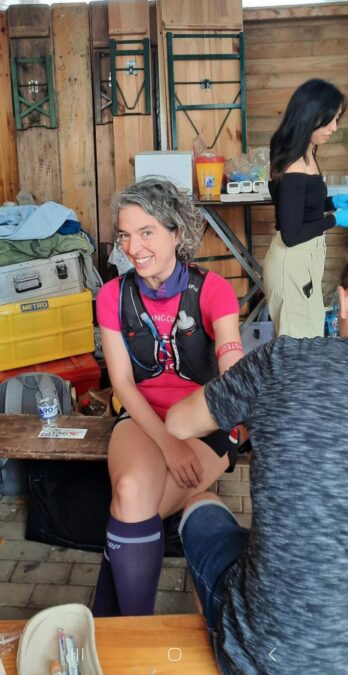
The second field study involved 36 experienced athletes running 100, 160, or an astonishing 230 kilometers in the TorTour de Ruhr ultramarathon. Blood samples were taken before and after.
Levels of both anandamide and 2-AG increased after all three distances. Surprisingly, longer did not necessarily mean more: levels of some endocannabinoids were higher after the standard marathon than after the ultramarathons.
Exercise intensity may matter more than duration alone. Ultramarathon runners usually move more slowly to conserve energy, while extreme fatigue, pain, and depleted energy stores may change the body’s chemical response.

There was another puzzle. Although the ultramarathoners’ endocannabinoid levels rose and their anxiety fell, their happiness did not increase significantly. Only 12 of the 36 reported a runner’s high during the race.
“The runner’s high is a difficult phenomenon to capture scientifically,” Siebers said. “It is transient and highly individual – rather like trying to capture fog in a jar.”
Because happiness was measured only before and after the ultramarathons, brief periods of runner’s high may have been missed. Extreme fatigue and pain may also have drowned out any feeling of bliss.
“Elevated endocannabinoid levels alone are not sufficient to produce a runner’s high,” Siebers explained.
The study cannot prove that these chemicals caused the psychological changes, because they were measured in the blood rather than directly in the brain. A previousstudy in miceoffered stronger evidence that cannabinoid receptors help reduce anxiety and pain after running, but the same causal link has not been demonstrated in humans.
The groups were also small, and factors such as sleep, food, and stress were not fully controlled.
Still, the findings provide an unusually detailed look at the chemical journey inside the body during real-world endurance running.
Related: Brain Boost Linked to Exercise Can Last Several Years, Scientists Find
These natural messengers may provide happiness, calm, pain relief, or simply help the body endure the next kilometer. But their effects appear far more complicated than a simple runner’s high.
The study was published inBMC Medicine.
This article was fact-checked by Rachel Garner and edited by Michael Irving. While we pride ourselves on our process, we are only human. If you spot a mistake, please let us know.

