Судлаачид 10 мянга гаруй ясны хэлтэрхийн дундаас хүний гараар боловсруулсан 83 зэмсгийг илрүүлснээр эртний хүмүүсийн аж төрөхүйн онцлогийг тодрууллаа.
Румын улсын Вэргиш хавцлын “Abri 122/1200” агуйгаас олдсон 10,000 гаруй амьтны ясны хэлтэрхийг шинжлэхэд неандерталчуудын ашиглаж байсан 83 зэмсэг илэрчээ. Тус сайт нь палеолитын үеэс эхлэн хүн амьдарч байсныг гэрчлэх чулуун зэмсгүүдээрээ эртнээс танигдсан ч ясан зэмсэг олддоггүй байсан нь судлаачдын анхаарлыг татаж ирсэн юм. Валахиагийн их сургуулийн Моника Мэргэрит болон түүний багийнхан энэхүү нөхцөл байдлыг судлахаар “Journal of Quaternary Science” сэтгүүлд нийтлэгдсэн судалгаагаа эхлүүлжээ.
Судлаачид ясны хэлтэрхийнүүдийг микроскопоор нарийвчлан шинжилж, байгалийн хүчин зүйлээс үүдэлтэй өөрчлөлт болон хүний гараар хийсэн ул мөрийг ялган тогтоосон байна. Тэд өөрсдөө туршилтын ясан зэмсэг хийж, олдворуудын элэгдэл, зураас, гялбаатай харьцуулан дүгнэжээ. Ингэснээр нийт цуглуулгын нэг хүрэхгүй хувийг эзлэх 83 хэлтэрхийг чулуун зэмсгийг засах, арьс болон ургамлын гаралтай материал боловсруулах, мөн алх болон шаантаг хэлбэрээр ашиглаж байсныг баталсан байна.
Эдгээр олдвор нь неандерталчууд тусгайлан бэлтгэсэн зэмсгээс гадна тухайн нөхцөлд таарсан ясыг шууд ашигладаг байсныг харуулж байна. Бухарестийн их сургуулийн багш Стефан Василегийн тайлбарласнаар, өмнөх үеийн археологийн судалгаанд зөвхөн том, бүтэн яснуудыг илүүд үздэг байсан нь ийм төрлийн жижиг зэмсгийг анзааралгүй орхиход нөлөөлсөн байж болзошгүй юм. Энэхүү нээлт нь Франц, Испани, Сибирийн Алтай зэрэг бүс нутагт хийгдсэн неандерталчуудын ясан технологийн судалгааг Карпатын нурууны бүс нутгаар өргөжүүлж байна.
Дэлгэрэнгүйг эх сурвалжаас харах
↓Эх сурвалжийг нээх ↓
Thousands of unremarkable bone scraps from a Romanian cave shelter have turned out to be something far more interesting, there were a hidden Neanderthal toolkit. Out of more than 10,000 animal-bone fragments examined at the site, researchers identified 83 that bear the telltale marks of human use.
For decades, the old image of Neanderthals as unsophisticated brutes has been steadily dismantled. Excavations across Europe and Asia have revealed increasingly complex technologies and behaviors once assumed to belong exclusively to modern humans. Yet in central Romania’s Vârghiș Gorges, at a site known as Abri 122/1200, despite decades of digging and a rich assemblage of stone artifacts, bone tools were conspicuously absent.
That absence puzzled Monica Mărgărit of Valahia University of Târgoviște and her colleagues, who set out to determine whether it reflected genuine Neanderthal behavior or simply a blind spot in how archaeologists had been examining the evidence. Their answer, published in the Journal of Quaternary Science, required looking at old bones in an entirely new way.
A Cave Already Known For Its Stonework
Tucked into the limestone landscape of the Vârghiș Gorges, Abri 122/1200 has long been recognized as archaeologically significant. Dating indicates that people occupied the shelter across several phases of the Paleolithic, extending from roughly 230,000 years ago into much later periods. The site has yielded more than 1,000 stone artifacts, made mostly from locally available quartzite, basalt, and lydite or argillite. Alongside them lie the fragmented remains of large herbivores.
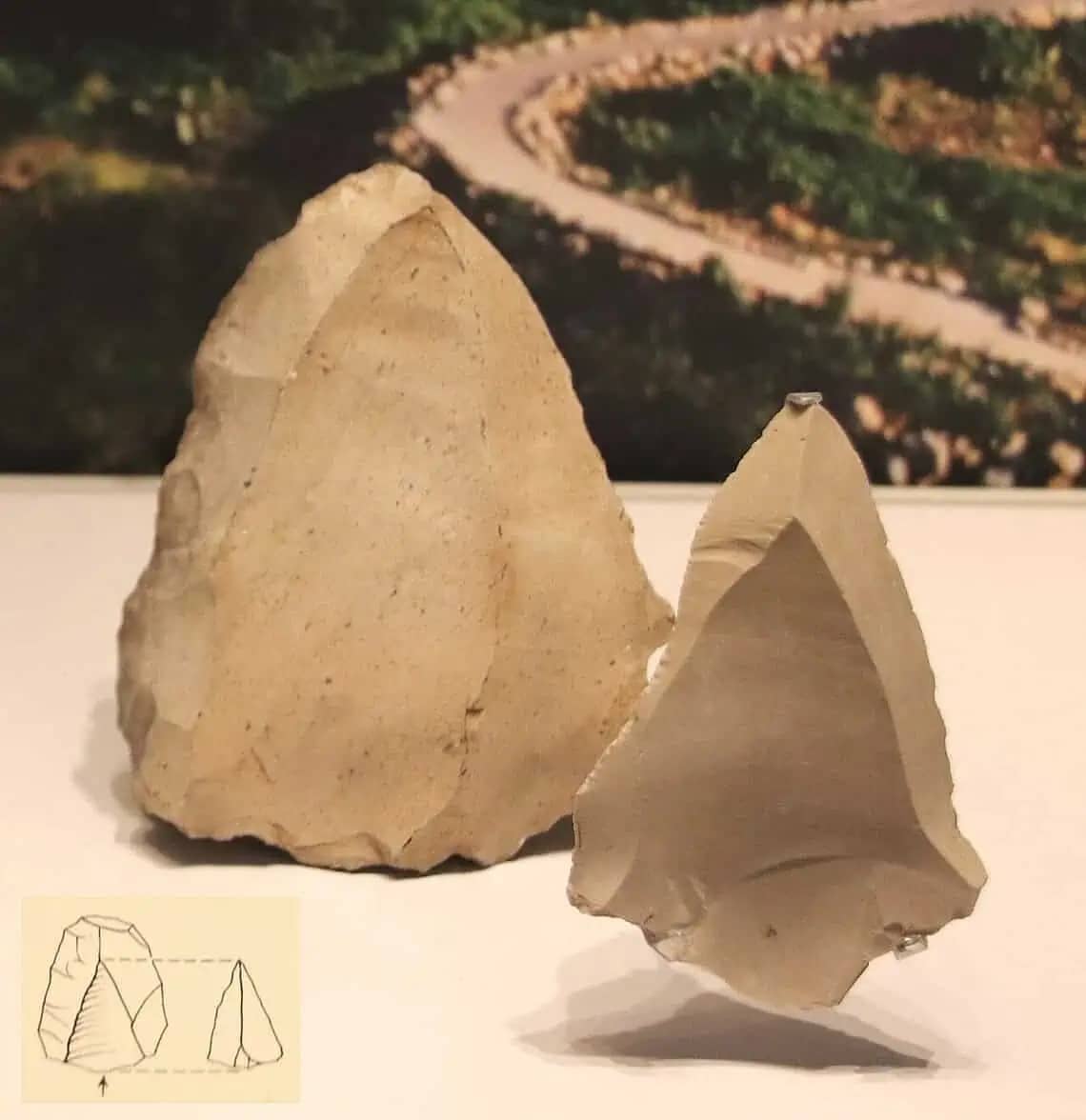
Some of that stoneworking involved considerable forethought, not mere chance chipping. Researchers have identified evidence of Levallois technology at the site. This one is a knapping strategy in which a toolmaker carefully prepares a stone core so that a single strike removes a flake of a predetermined shape, a technique that reflects considerable planning. Yet even with this evidence of skilled stone production, bone tools of the kind found at other Neanderthal sites had simply never turned up here.
Hidden Human Traces in Ancient Bones
Bones can be gnawed by carnivores or altered by exposure to plants, water, sediment, and trampling can leave marks that mimic deliberate human modification. To separate genuine tool use from these natural processes, the researchers examined the fragments microscopically. They looked for specific combinations of scratches, polish, rounded edges, and impact damage. They also made their own experimental bone tools and compared the resulting wear patterns against the archaeological specimens.
That painstaking process turned up 83 fragments, under 1% of the entire assemblage, bearing traces attributed to human use, some of them retouchers that had been pressed or struck against stone edges to refine their shape, while others showed the kind of smoothing that comes from working softer materials, potentially hides or plant matter. A few, interpreted as wedge-like implements, sat alongside two that appear to have functioned as hammers.

Tools With Minimal Changes
According to the study, technological modification of the bones was uncommon, because most fragments appear to have been picked up and used largely in the form they were found, rather than deliberately shaped beforehand. Archaeologists describe these as objects chosen because they suited an immediate task, not because someone invested time turning them into a standardized artifact.
That expediency likely explains why such tools went unnoticed for so long. As Stefan Vasile, a lecturer at the University of Bucharest, told Phys.org:
“I don’t mean to be overly critical of the methods used in the past by archaeologists,” adding that: “but many times, only the larger or more complete bones were recovered.”

The find brings the Carpathians into a broader map of Neanderthal bone technology that already includes sites in France, Spain, and as far east as Siberia’s Altai region. It is evidence that Neanderthal toolmaking in this part of Europe was simply hiding in plain sight.
Enjoyed this article? Subscribe to our free newsletter for engaging stories, exclusive content, and the latest news.

