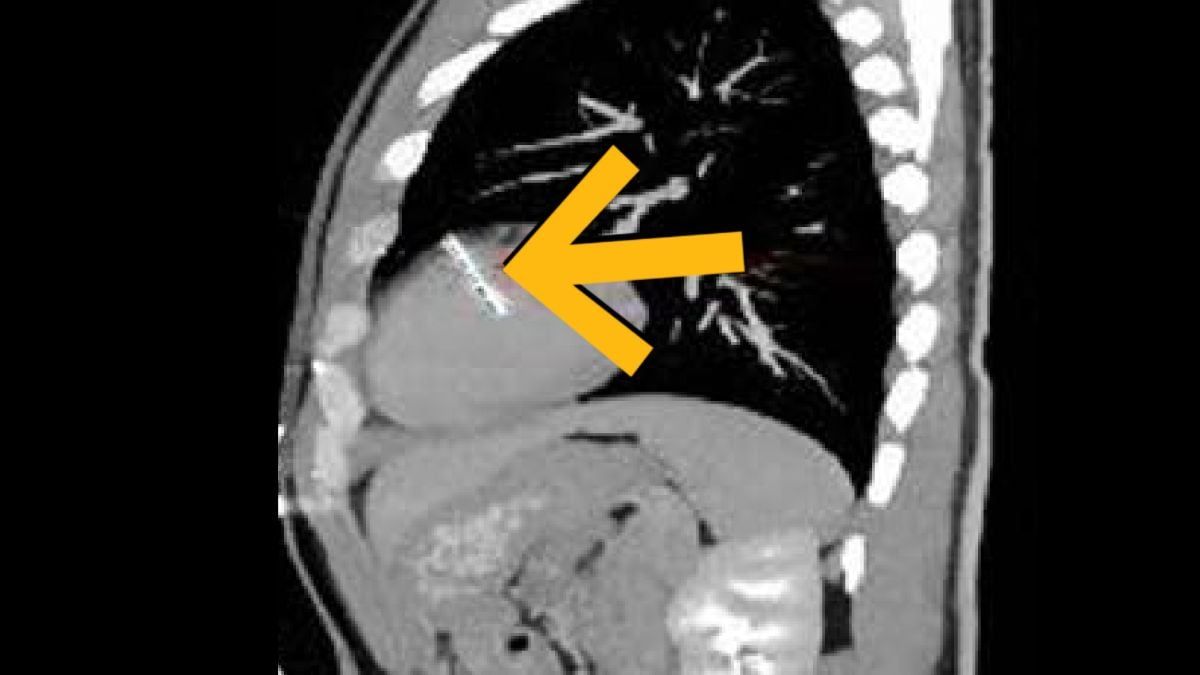
Хятадын эмч нар зүрхний зүүн ховдолд нэвтэрсэн 36 мм-ийн урттай оёдлын зүүг мэс заслын аргаар амжилттай авсан ховор тохиолдлыг BMC Cardiovascular Disorders сэтгүүлд нийтэлжээ.
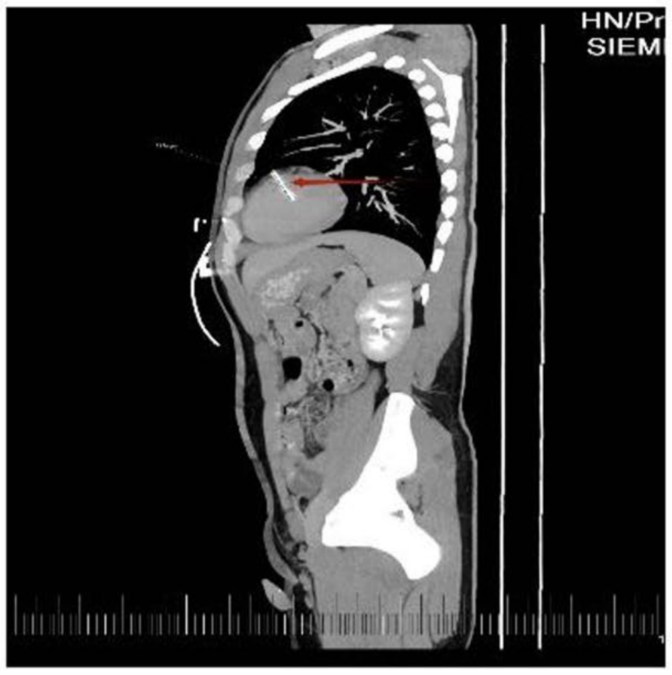
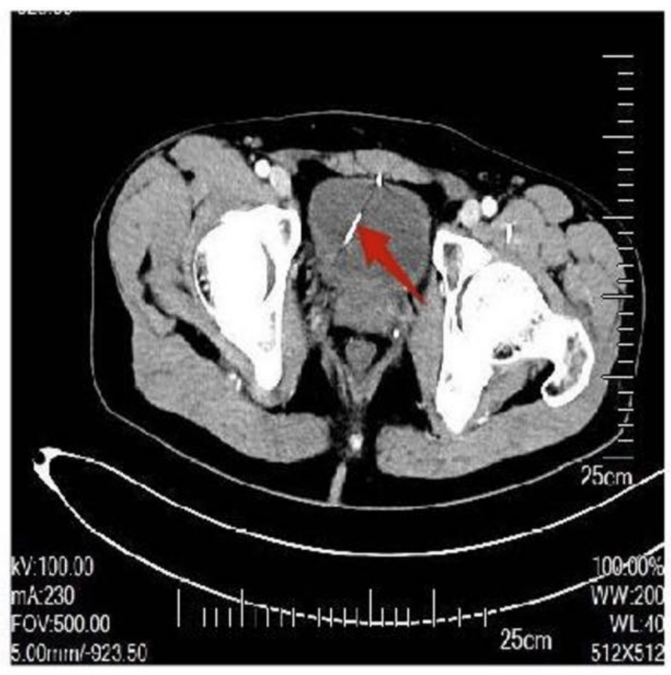
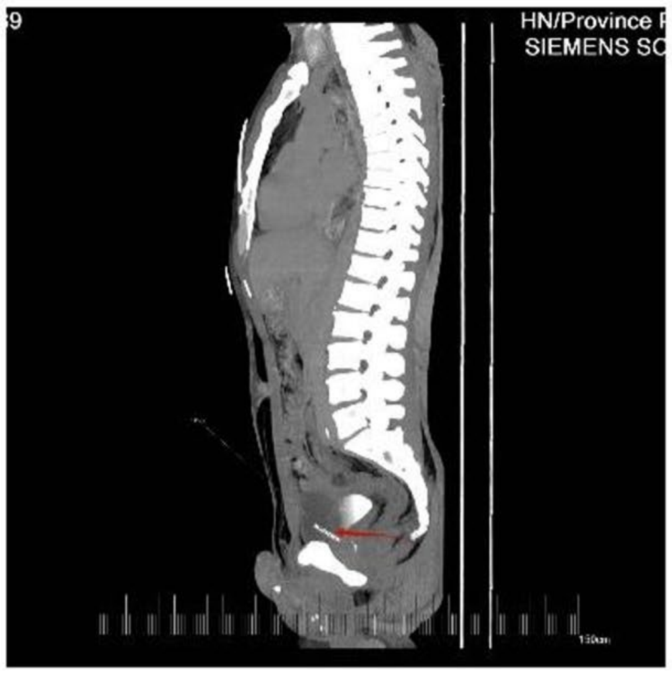
Оюуны хөгжлийн бэрхшээлтэй, 35 настай эрэгтэй шээх үед өвдөх, шээсэнд цус гарах шинж тэмдэгтэйгээр эмнэлэгт хандсан байна. Эмнэлзүйн үзлэгээр тухайн хүний амин үзүүлэлтүүд хэвийн байсан ч дүрс оношилгоогоор зүрхний орчимд металл гадны биет байгааг илрүүлжээ. Цаашид хийсэн КТ шинжилгээгээр зүрхнээс гадна давсаг, хэвлийн хөндий, аарцаг болон бэлэг эрхтэн зэрэг биеийн олон хэсэгт металл зүү байрлаж байсныг тогтоов.
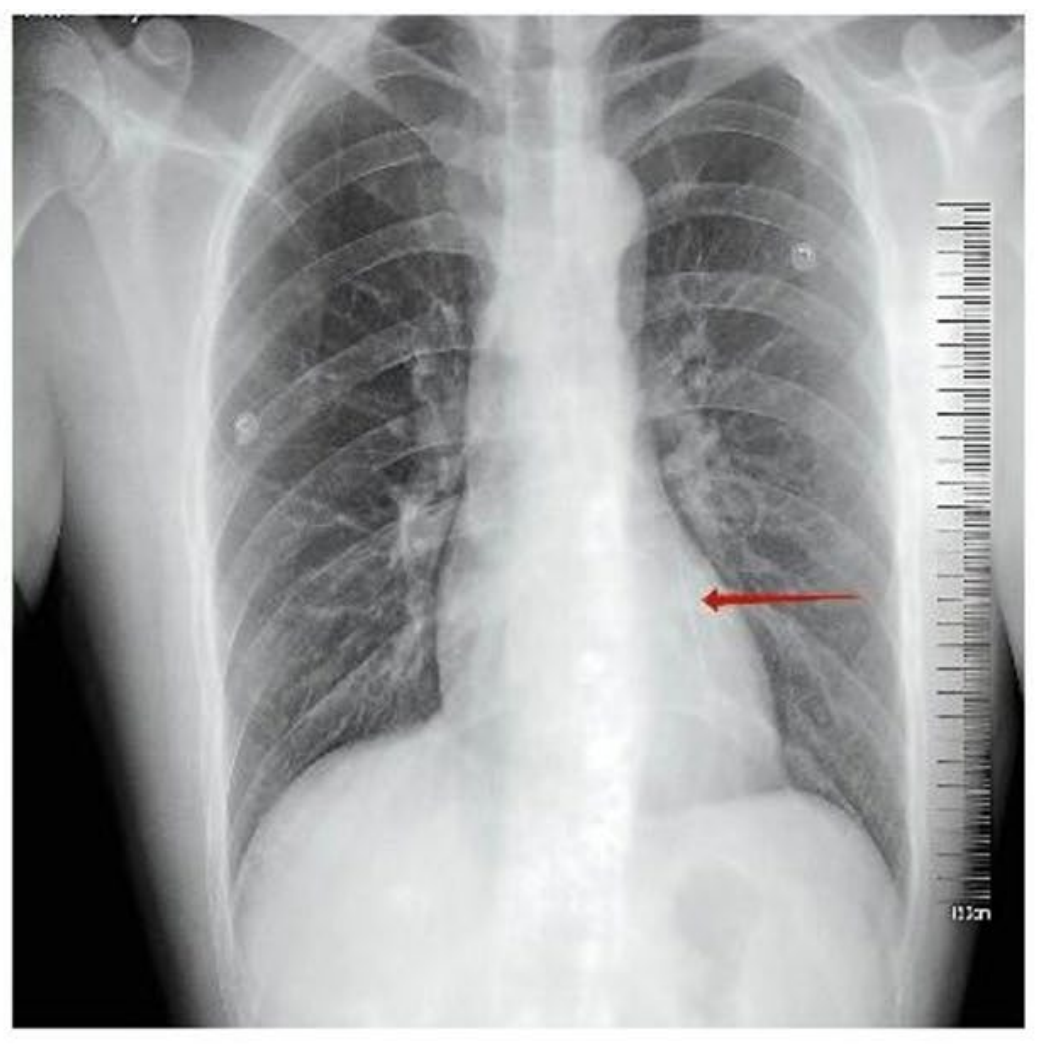
Зүрхний зүүн ховдолд нэвтэрсэн 36 мм-ийн зүү нь зүрхний бүрхүүл уутыг цоолж, зүрхний үйл ажиллагаанд эрсдэл учруулж болзошгүй байсан тул эмч нар яаралтай мэс засал хийх шийдвэр гаргажээ. Давсагны хананд нэвтэрсэн бусад зүүг дараагийн шатны мэс заслын үеэр авахаар төлөвлөсөн байна. Өвчтөн мэс заслын дараа сайн эдгэрч байгаа боловч эдгээр зүү биед нь хэрхэн орсныг өвчтөн болон ар гэрийнхэн нь тодорхойлж чадаагүй байна.
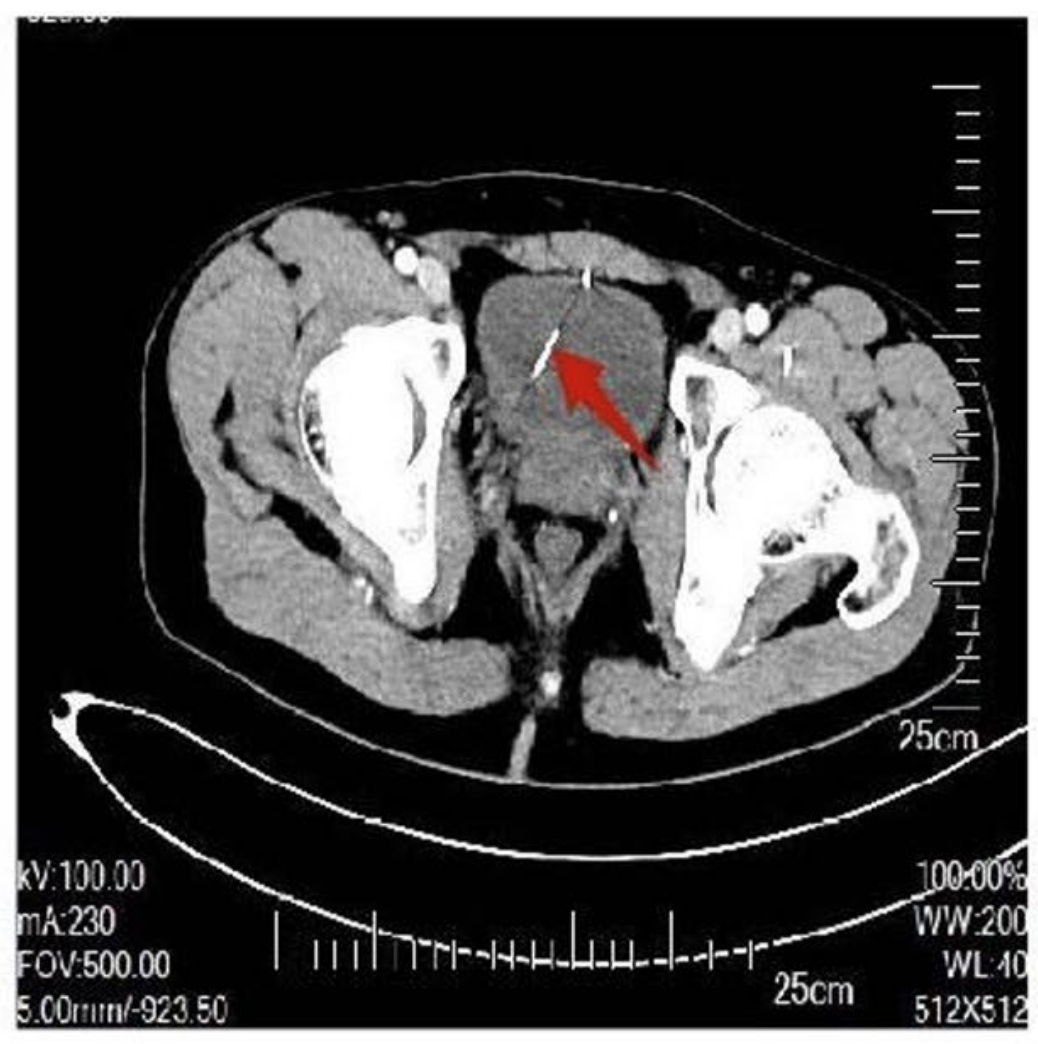
Эмч нарын таамаглаж буйгаар, энэ нь сэтгэцийн эмгэгтэй холбоотой өөрийгөө гэмтээх үйлдэл байж болзошгүй аж. Ийм төрлийн тохиолдол нь эмнэлзүйн шинж тэмдэг илрэхгүй удаан хугацаагаар үргэлжилж болдог тул оношлоход хүндрэлтэй байдаг гэдгийг Hunan Provincial People’s Hospital-ийн эмч нар онцолжээ. 1967 оноос хойш дэлхий дахинд өөрийгөө гэмтээх зорилгоор зүрхэндээ зүү оруулсан 34 тохиолдол бүртгэгдсэн байна.
Дэлгэрэнгүйг эх сурвалжаас харах
↓Эх сурвалжийг нээх ↓
A puncture to the heart may be shockingly insidious.
Doctors in China have shared an extremely rare case in which they found a 36-millimeter-long sewing needle stuck into the left ventricle of a person’s heart.
The patient was a 35-year-old man with an intellectual disability who was experiencing painful urination and blood in the urine.
When he came to the hospital seeking treatment, however, his vital signs were in a healthy range.
Somehow, his cardiovascular system was still functioning.
When doctors imaged his chest, they noticed a peculiar shadow over his heart.
A further CT scan of the chest, abdomen, and pelvis revealed several metallic foreign bodies within the patient’s body.
They were in his abdominal wall, pelvis, bladder wall and lumen, hip bone, hip muscle, and penis.
One particularly threatening needle, measuring 36 mm (1.4 inches), had punctured the fluid-filled sac around the patient’s heart.
Its sharp tip extended quite far into the left ventricular cavity.
The case study is published in BMC Cardiovascular Disorders, with written informed consent from the patient’s father.
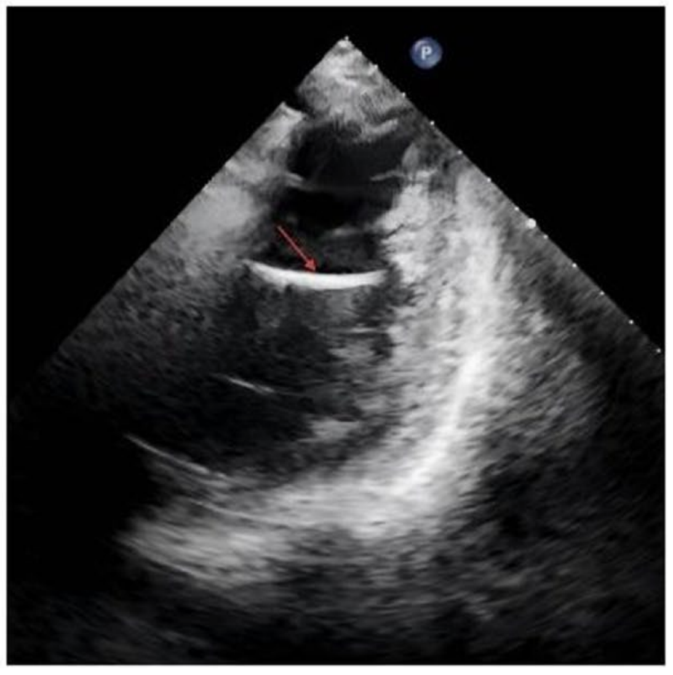
The needle in the heart ultimately required surgery.
Doctors feared the metal foreign body would migrate or cause a rupture or infection.
Upon closer inspection, the patient’s left ventricle was noticeably dilated and showed early signs of abnormality.
Once in the operating room, doctors found a dangerous situation beyond the heart.
The needles penetrating the patient’s bladder wall had visible stone-like encrustations on their surfaces.
Worried about the risk of intractable hemorrhage and urinary leakage, the surgical team decided to take out the needle in the heart first. They then removed the needles in the bladder at a later date.
The patient has recovered well, although it remains unclear how the needles got into his body.
“Although multiple systemic needles were confirmed, neither the patient nor his family could clarify their origin,” note doctors at Hunan Provincial People’s Hospital.
It is possible they were self-inflicted.
The deliberate insertion of foreign objects into the body is an extreme form of self-injury sometimes referred to as self-embedding behavior.
It can be linked to psychiatric conditions, like schizophrenia, or mental health disorders, like depression.
The patient’s history suggests he may have engaged in self-embedding behavior before.
Two years prior, the young man had had two needle-like objects removed from his abdomen.
His most recent doctors, however, did not have access to these past medical records, and it is unclear whether these prior needles were deliberately or accidentally inserted.
Because the patient had no heart-related symptoms, diagnosis was extra challenging.
Doctors are not often on the lookout for cases of self-embedding, let alone those involving the heart.
A 2024 review found that since 1967, there have been only 34 reported cases of needles being introduced into the heart as a form of self-injury.

As incredible as it may seem, a needle to the heart is surprisingly difficult to diagnose unless a patient reports it.
The organ may continue beating without obvious symptoms for many months, even years.
In 2010, for instance, a case study described how a sewing needle was found in the heart but extracted nearly two years after insertion.
The patient only sought medical assistance when they started experiencing chest pain.
Related: Too Much Happiness Sent A Woman To The Emergency Room In an Incredibly Rare Case
“Presumed self-insertion of cardiac foreign bodies in patients with cognitive impairment can be clinically occult, requiring a high index of clinical suspicion when a definitive history is difficult to obtain,” conclude the doctors in China.
Symptoms are not guaranteed.
The study is published in BMC Cardiovascular Disorders.
If this story has raised concerns or you need to talk to someone,please consult this list to find a 24/7 crisis hotline in your country, and reach out for help.
This article was fact-checked by Rachel Garner and edited by Rebecca Dyer. While we pride ourselves on our process, we are only human. If you spot a mistake, please let us know.

