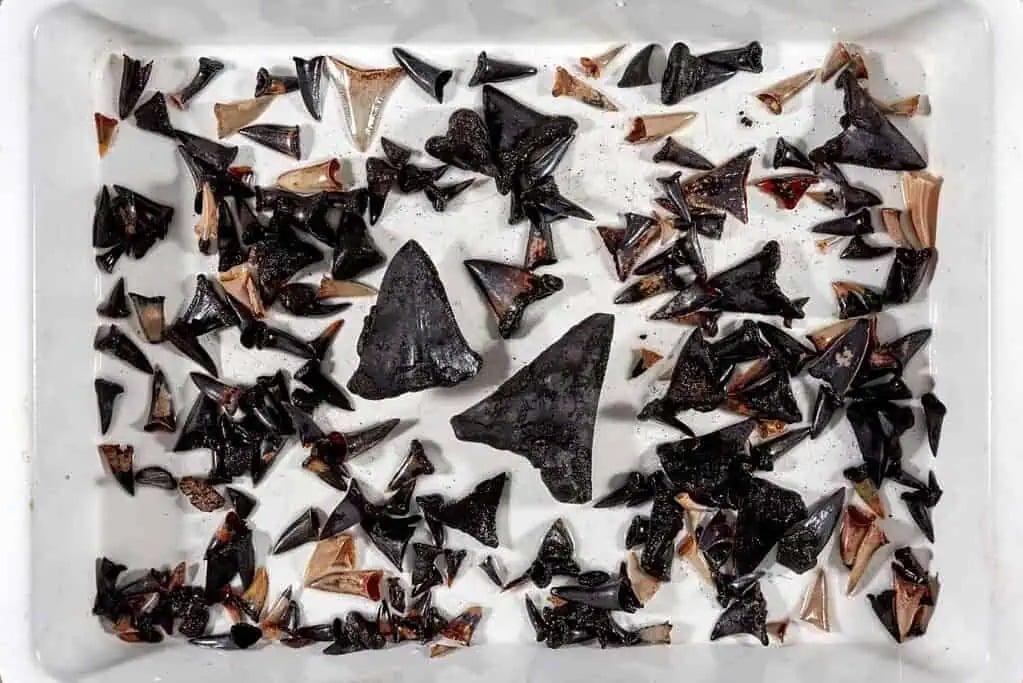
Эрдэмтэд далайн гүний судалгааны явцад шинжлэх ухаанд бүртгэгдээгүй 149 зүйл амьтан болон Миоцений үед хамаарах олон тооны эртний олдворыг олж илрүүллээ.
Олон улсын эрдэмтдийн баг далайн гүний экосистемийг судлах ажиллагааны хүрээнд өмнө нь хүн хүрээгүй алслагдсан бүс нутгуудад судалгаа хийж, 149 шинэ төрөл зүйлийг анх удаа тодорхойлжээ. Эдгээр амьд биетүүд нь далайн гүний өндөр даралт, харанхуй, хоол тэжээлийн хомсдол бүхий эрс тэс орчинд амьдрахад дасан зохицсон байна. Судлаачид цуглуулсан дээжүүдээ шинжлэх ухааны өмнөх бүртгэлүүдтэй харьцуулах замаар эдгээр амьтдыг шинээр нээсэн болохыг тогтоожээ.
Судалгааны баг мөн далайн ёроолоос 22 сая жилийн настай, Миоцений үед хамаарах 1000 орчим аварга загасны шүдний бөөгнөрлийг олж илрүүлсэн байна. Энэхүү олдвор нь тухайн үед амьдарч байсан далайн махчин амьтдын биологийн онцлог болон тэдний амьдарч байсан эртний орчныг судлахад чухал ач холбогдолтой юм.
Далайн гүнийг судлах ажил нь орчин үеийн далайн экосистем болон эртний түүхийн хоорондох холбоог илүү тодорхой болгоход чиглэж байна. Далайн гүн нь өнөөг хүртэл бүрэн судлагдаагүй, биологийн олон янз байдлын асар том сан хөмрөг хэвээр байгааг энэхүү экспедицийн үр дүн харууллаа. Эрдэмтэд цуглуулсан амьд сорьц болон эртний үлдэгдлүүдийг үргэлжлүүлэн судалснаар дэлхийн далай тэнгисийн хувьслын түүхийг илүү гүнзгий ойлгох боломжтой юм.
Дэлгэрэнгүйг эх сурвалжаас харах
↓Эх сурвалжийг нээх ↓
Scientists have found 149 new deep-sea species during an ocean exploration mission that also uncovered a site containing around 1,000 shark teeth. The fossilized teeth date back about 22 million years.
The discoveries show how much of the deep ocean remains unexplored. Far below the surface, researchers continue to find unusual organisms living in harsh environments, while fossils reveal how marine ecosystems changed over millions of years.
Deep-sea expeditions are helping scientists build a clearer picture of life in some of the planet’s most remote areas. By studying both living creatures and ancient remains, researchers can compare today’s oceans with those of the distant past.
The latest mission brought back specimens from deep waters and added new species to scientific records. Some of these organisms had never been observed or described before.
149 New Species Hidden in the Deep Ocean
The expedition led to the identification of 149 previously unknown species living in deep ocean habitats. These creatures were found in places where darkness, strong pressure, and limited food sources shape the way life survives.
According to the research, available on Deep-Sea Research Part II: Topical Studies in Oceanography,studying these organisms helps scientists understand the wide variety of life forms hidden beneath the ocean surface.
The researchers examined collected samples and compared the characteristics of different organisms to determine which ones represented species that had not been documented before. The process revealed a range of life forms adapted to conditions very different from those found closer to the surface.
A 22-million-year-old Shark Tooth Site
The exploration also uncovered a concentration of about 1,000 fossilized shark teeth. As explained by in the reports from the expedition, the remains are around 22 million years old and belong to the Miocene period.
The large collection of teeth gives scientists information about sharks that lived millions of years ago. Fossil teeth can preserve details about ancient marine predators and the environments where they once lived.

Where the fossils reveal a chapter from millions of years ago, the newly found species show that the deep ocean is still very much alive with undiscovered life.
Ancient Secrets Found Beneath the Ocean Floor
Exploring the deep ocean remains a difficult task because many habitats are located far below the surface and cannot be easily reached. Scientists use specialized tools to collect samples, study organisms, and recover fossils from these remote areas.
The scientists involved said that the material gathered during the mission includes both living specimens and ancient remains that can be examined to better understand marine ecosystems.
The new species and fossil finds paint a wider picture of biodiversity beneath the surface. The expedition reinforces the idea that the ocean depths remain a vast, largely unexplored record of both present-day life and ancient marine history.
Enjoyed this article? Subscribe to our free newsletter for engaging stories, exclusive content, and the latest news.

