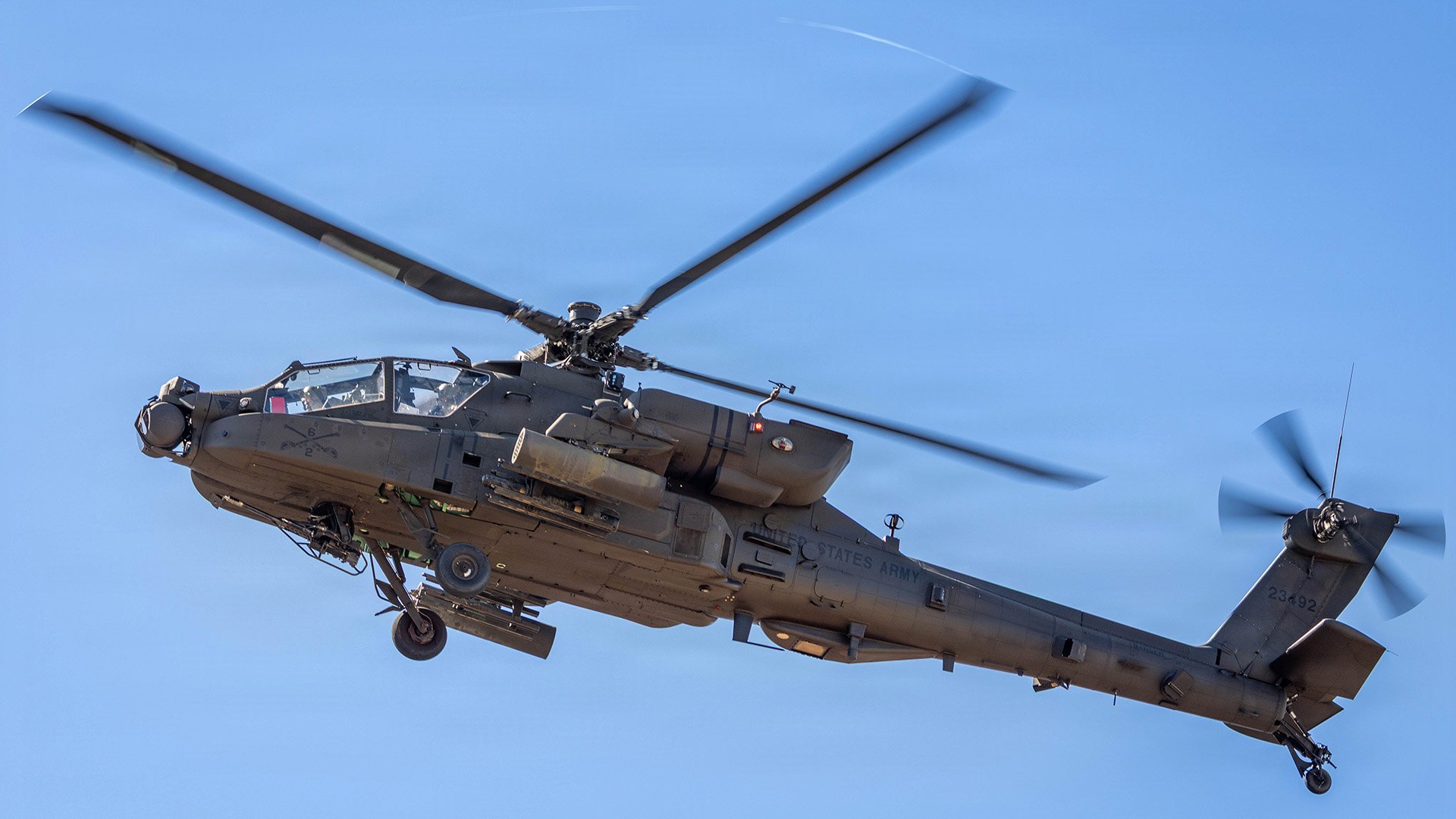
АНУ-ын Зэвсэгт хүчний удирдлага байлдааны ажиллагаанд хиймэл оюун ухааныг нэвтрүүлэх нь цэргийн шийдвэр гаргах үйл явц болон тактикийн давуу талыг хэрхэн өөрчилж буйг тайлбарлав.
АНУ-ын Жанжин штабын дарга, Агаарын цэргийн хүчний генерал Дэн Кэйн Агаарын болон сансрын хүчний бага хурлын үеэр хиймэл оюун ухаан нь дайны мөн чанарыг үндсээр нь өөрчилж байгааг мэдэгдэв. Тэрээр зургаадугаар сард Оманы булан орчимд Ираны дронд өртөж сүйрсэн AH-64 Apache нисдэг тэрэгний багийг аврах ажиллагааг жишээ болгон дурдлаа. Тус ажиллагаанд анх удаа хүнгүй усан онгоц (USV) ашигласан нь цэргийн эрэн хайх, аврах ажиллагаанд технологийн дэвшил хэрхэн нөлөөлж буйг харуулсан байна.
Генерал Кэйний тайлбарласнаар, мэдээллийн урсгал хурдассан өнөө үед командлагчдын шийдвэр гаргах хугацаа долоо хоногоос хэдхэн секунд хүртэл богиноссон байна. Ирээдүйн мөргөлдөөнд нөхцөл байдлыг хамгийн түрүүнд харж, ойлгож, шийдвэр гарган хэрэгжүүлсэн тал давуу талтай байх болно. Энэхүү өөрчлөлтийг хиймэл оюун ухаан болон кибер чадавх хамгийн хүчтэй хурдасгаж байгааг тэрээр онцлов.
Украины дайны талбарт ажиглагдаж буй нөхцөл байдал нь энэхүү технологийн сөрөг талыг ч харуулж байна. Хиймэл оюун ухаанаар тоноглогдсон FPV дронууд нь GPS-ийн холбоос тасарсан эсвэл цахим саад бэрхшээлтэй орчинд ч байг оновчтой устгах чадвартай болжээ. Ийм бага өртөгтэй, өндөр нарийвчлалтай зэвсэглэл нь байлдааны талбарт хүний амь нас хохирох эрсдэлийг улам нэмэгдүүлж байна.
АНУ-ын зэвсэгт хүчин цаашид өөрийгөө удирдах системүүдээс хамгаалах, цахим дайны орчинд ажиллах шаардлагатай болж байна. Тиймээс цэргийн бүрэлдэхүүнийг ирээдүйн дайнд бэлтгэхийн тулд технологийн дэвшилтэт болон уламжлалт зэвсэглэлийг хослуулан ашиглах, шаардлагатай нөөцөөр хангах нь нэн тэргүүний зорилт болоод байна.
Дэлгэрэнгүйг эх сурвалжаас харах
Эх сурвалжийг нээх ↓
The U.S. military’s top officer on Wednesday talked about how AI is changing the character of warfare and offered two examples to illustrate his points. His comments included new insights into how two U.S. Army AH-64 Apache crew members were rescued after being shot down by an Iranian drone near the coast of Oman in June. The recovery effort involved America’s first known use of an uncrewed surface vessel (USV) executing a personnel recovery action as part of a military search and rescue operation.
“Information moves so fast that leader decision times have compressed from weeks down to days down to seconds,” explained Air Force Gen. Dan Caine, chairman of the Joint Chiefs of Staff, during his keynote speech at the Air & Space Forces Air, Space and Cyber Conference that TWZ is attending. “In the future fight, advantage will go to the side who can see first, who can understand first, decide first, and act first, and along the way, be a learning organization, and no factor is accelerating change as fast as artificial intelligence and advancing cyber capabilities.”
“AI is here now, and it’s already changing the way militaries see, sense, decide, and act across the joint force,” the chairman proclaimed.
The first example Caine used to highlight these changes took place on June 8. After the Apache went down, “U.S. CENTCOM launched a rapid, responsive joint search and rescue effort to recover the crew. That response drew on the totality of the joint force, and ultimately was required to use enabled unmanned vessels to participate in the rescue of downed U.S. service members for the first time ever.”
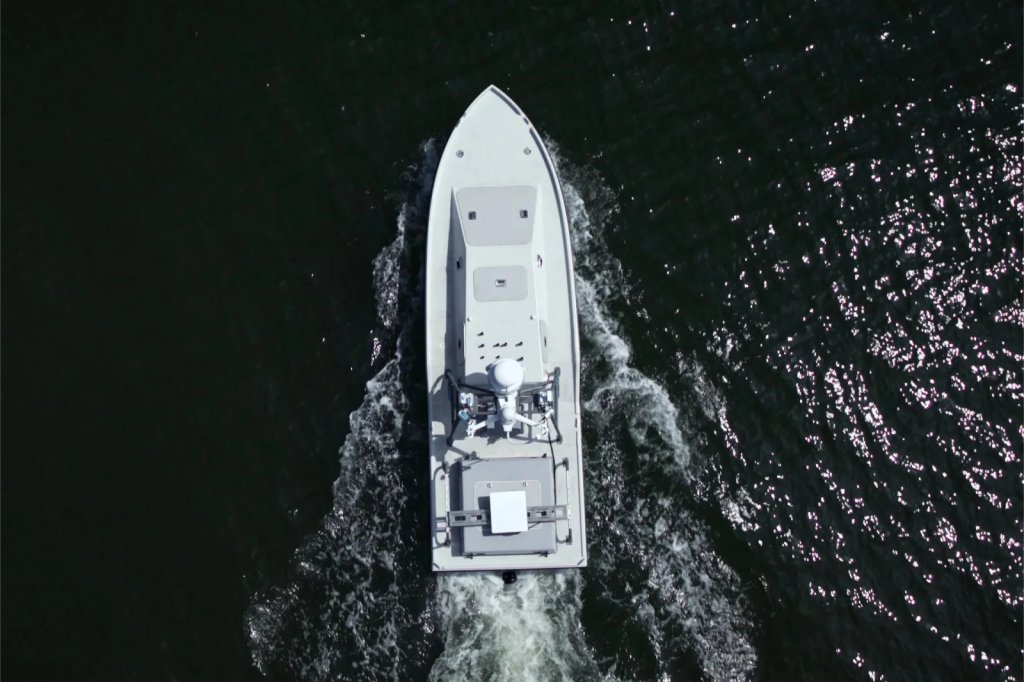
As we noted in our previous coverage, CENTCOM deployed “a U.S. Navy Corsair unmanned surface vessel,” the command’s spokesman told us at the time.
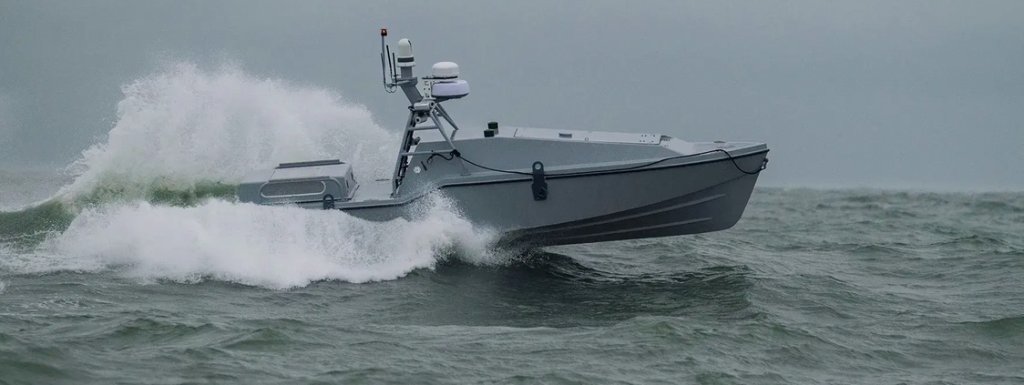
The ability to pull off that rescue mission “did not appear overnight,” Caine pointed out. “It came from the men and women of Task Force 59, CENTCOM’s forward-leaning unmanned joint maritime unit who spent the last several years testing, integrating, and operationalizing unmanned systems and AI in one of the most demanding and kinetic environments on Earth right now.”
“What helped make this possible was not a bunch of general officers and flag officers,” Caine continued. “What made this possible was a bunch of entrepreneurial sailors and members of the joint force on watch floors, at piers, managing networks of unmanned systems across thousands of miles of water, and using AI to turn massive amounts of data into a crisp, clear, perfect maritime picture that allowed us to go grab those two soldiers in the water.”
The second example Caine shared about the use of AI “points in the other direction, not how quickly we are using these tools, but how quickly these tools are changing the threat.”
In Ukraine, “we see first-person view drones operating in heavily contested EMI [electromagnetic interference] environments. Some now using AI-enabled computer vision to continue to drive towards targets, even when there’s no GPS or the links are cut. That gives small units affordable precision and shows how quickly software and autonomy are changing what is possible at the tactical edge, and the results are stark.”
The use of AI to enable lower-end drone warfare is a topic TWZ has been among the first to point out.
“In certain locations on the front line of troops right now, the life expectancy of a new Russian recruit arriving on the front lines is as little as 20 to 30 minutes,” Caine added. “Think about that. This is what happens when low-cost precision is fielded fast, adapted quickly, and scaled across the battlefield.”
“The price of lethal exchange is decreasing day over day,” the chairman noted. “One wonders what the future of close air support looks like, but I am comforted by the fact that each and every one of you are in this room thinking about that. Taken together, these examples from the Straits of Hormuz to the front lines in Ukraine show how quickly technology is changing the character of war, and this means our joint force needs to do two things at one time.”
“[w]e need to prepare the joint force to win in this kind of conflict,” the general stated. “We have to assume from now on that our formations will be hunted by autonomous systems, jammed across the spectrum, and tracked in real time, and we have to transition the joint force to be prepared to fight and win our future war by generating and delivering lethality at scale with an agile, optimized, high-low mix of combat capabilities to give the young members of the 2.8-million member all volunteer joint force the tools that they need before they need them.”
Contact the author: howard@twz.com
The post Apache Crew Rescue Highlights Need For AI In Combat Says Joint Chiefs Chairman appeared first on TWZ.

