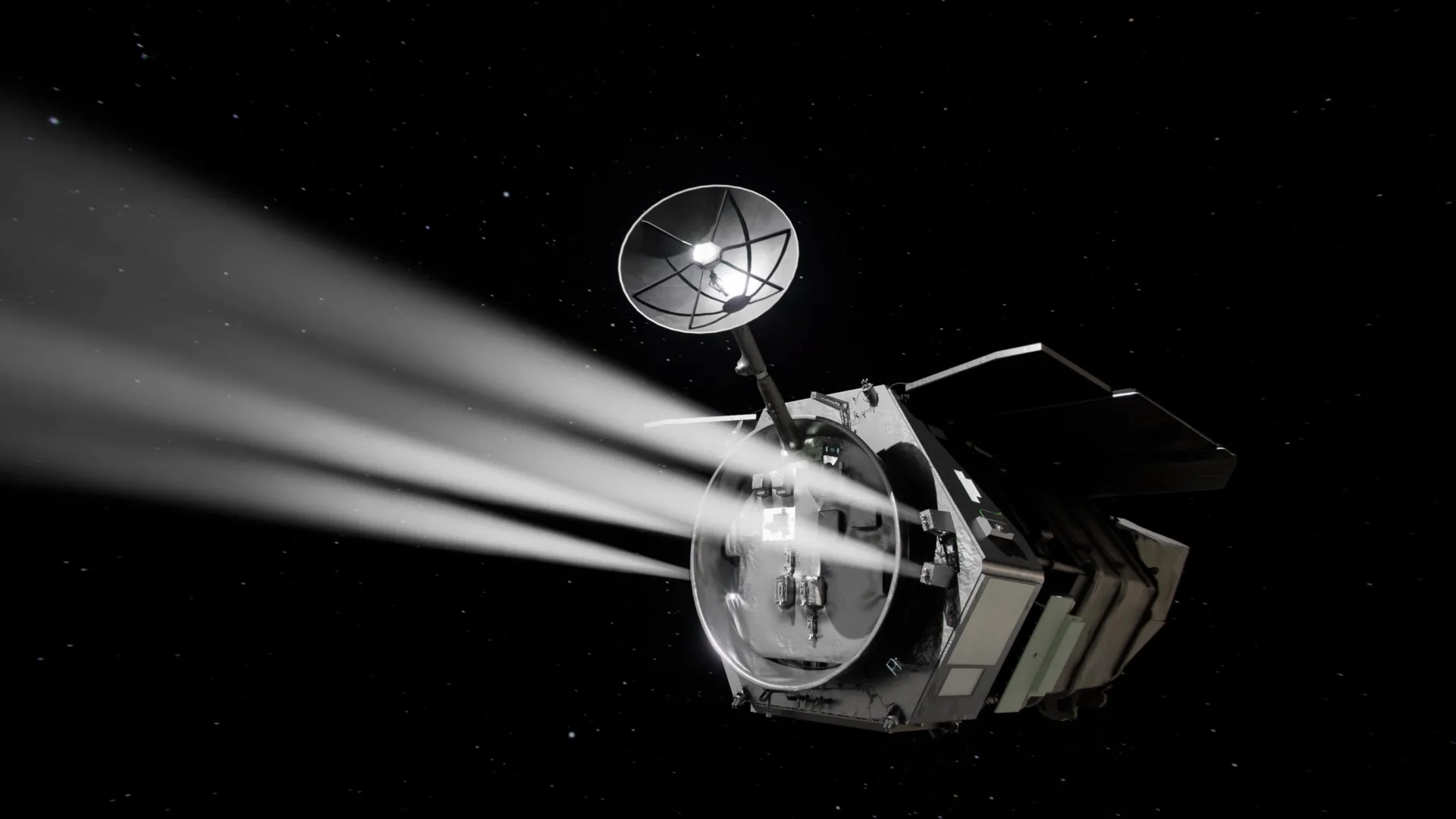
Түлшний зарцуулалтыг эрс багасгасан нарийвчлалтай маневр болон хөөргөх үеийн нөөцийн ачаар уг дуран 22 жил хүртэл ажиллах боломжтой боллоо.
NASA-гийн Nancy Grace Roman сансрын дуран анх төлөвлөж байснаас хамаагүй удаан хугацаанд шинжлэх ухааны судалгаа хийх боломжтой болсныг мэргэжилтнүүд тогтоожээ. Уг дуранг 10 жилийн хугацаатай ажиллуулахаар тооцоолж байсан ч одоо 22 жил хүртэл ажиллах түлшний нөөцтэй байгаа аж. Энэхүү эерэг өөрчлөлт нь сансрын хөлгийн тойрог замын динамикийн нарийвчилсан төлөвлөлт болон SpaceX-ийн амжилттай хөөргөлттэй шууд холбоотой юм.
Наймдугаар сарын 31-нд хийсэн анхны маневр нь 99 гаруй хувийн нарийвчлалтай болж, төлөвлөсөн 200 кг түлшний оронд ердөө 18 кг-ыг зарцуулсан нь гол нөлөө үзүүлжээ. Үүнээс гадна, хөөргөх үед сансрын хөлгийн жин төсөөлж байснаас бага байсан нь түлшний савыг бүрэн дүүргэх боломжийг олгосон байна. Эдгээр хүчин зүйлс нь тус бүрдээ дурангийн ашиглалтын хугацааг дөрвөн жилээр сунгах боломжтой гэж NASA-гийн Goddard сансрын нислэгийн төвийн инженерүүд тооцоолжээ.
Тус багийнхан энэ сард хийхээр төлөвлөж буй хоёр дахь маневрыг мөн төсөөлж байснаас бага түлш зарцуулна хэмээн таамаглаж байна. Энэхүү залруулга хийгдсэний дараа Roman дуран нь L2 цэг дэх байнгын тойрог замдаа орох бөгөөд 28 хоног тутамд нэг удаа байрлалаа хадгалах зориулалттай түлшний зарцуулалт хийх юм. Дуран ойролцоогоор 12 дугаар сарын эхээр буюу хөөргөснөөс хойш 100 орчим хоногийн дараа зорилтот цэгтээ хүрэх төлөвтэй байна.
Дэлгэрэнгүйг эх сурвалжаас харах
↓Эх сурвалжийг нээх ↓
NASA’s Nancy Grace Roman Space Telescope may be able to operate for far longer than originally expected. An exceptionally precise first mid-course correction, combined with other fuel savings, could more than double the observatory’s potential lifetime in space.
“As a result of exquisite planning by our orbital dynamics team, brilliant execution by the operations team, and a precise launch from SpaceX, Roman has fuel for at least 22 years of potential science operations,” said Jamie Dunn, center director at NASA’s Goddard Space Flight Center in Greenbelt, Maryland.
Several factors are behind that dramatic extension. Roman used far less fuel than expected during its first course correction, carried additional propellant at launch, and is projected to conserve even more during its second mid-course correction and orbital insertion.
Roman Was Originally Designed for 10 Years
Roman was built around a five-year primary mission and a five-year extended mission, giving it a total fuel budget intended to support 10 years of operations. Because propellant is the spacecraft’s main consumable resource, every kilogram saved during its journey can potentially translate into additional years of scientific observations.
First Maneuver Could Add Four Years
Roman carried out its first burn on Aug. 31, adjusting its path toward the observatory’s eventual orbit. Since then, the mission team has been studying how the maneuver affected Roman’s long-term fuel outlook.
The results were better than expected. The maneuver was completed with more than 99% accuracy and consumed less than 10% of the fuel reserved for it. Roman used about 40 pounds (18 kilograms), compared with the planned allocation of 441 pounds (200 kilograms).
Those savings alone could provide roughly four additional years of potential science operations.
Extra Fuel at Launch Could Add Another Four Years
Roman also began its journey with more propellant available than planners originally expected to need.
Engineers calculated the spacecraft’s fuel requirements using a conservative maximum weight of 21,605 pounds (9,800 kilograms). Roman ultimately weighed just 17,760 pounds (8,056 kilograms) at launch.
Because the spacecraft was lighter, it required less fuel for its mid-course correction. Its lower mass also allowed the team to fill Roman’s propellant tanks to capacity rather than carrying only enough fuel for the original 10-year mission.
That additional fuel could support roughly four more years of operations.
“A spacecraft’s mass changes throughout the design and build process, so we base the propellant budget on a set maximum value so we won’t come up short,” said Alison Rao, the Roman propulsion lead at NASA Goddard. “We track the propellant needed based on actual mass throughout integration and testing as well, to make sure we have wiggle room. Since Roman’s was lower than we budgeted for, we were able to fill the propellant tanks to their capacity rather than only filling them as much as we needed to for the 10-year requirement.”
More Fuel Savings Expected Ahead
Roman’s successful first mid-course correction is also expected to make its second correction much smaller, potentially conserving still more propellant.
Because the first maneuver was so accurate, mission controllers can wait longer before making the follow-up adjustment, which is now scheduled for later this month. That burn will provide the final amount of energy Roman needs to reach its targeted position before entering its permanent orbit around L2.
Roman is expected to arrive at L2 approximately 100 days after launch, around early December.
Current estimates indicate that the second correction and orbital insertion should both require less fuel than originally budgeted. Together, those savings could provide approximately four additional years of potential mission life and leave even more propellant available for future scientific work.
Once Roman settles into its orbit around L2, maintaining its position should require only periodic station-keeping burns about once every 28 days.

