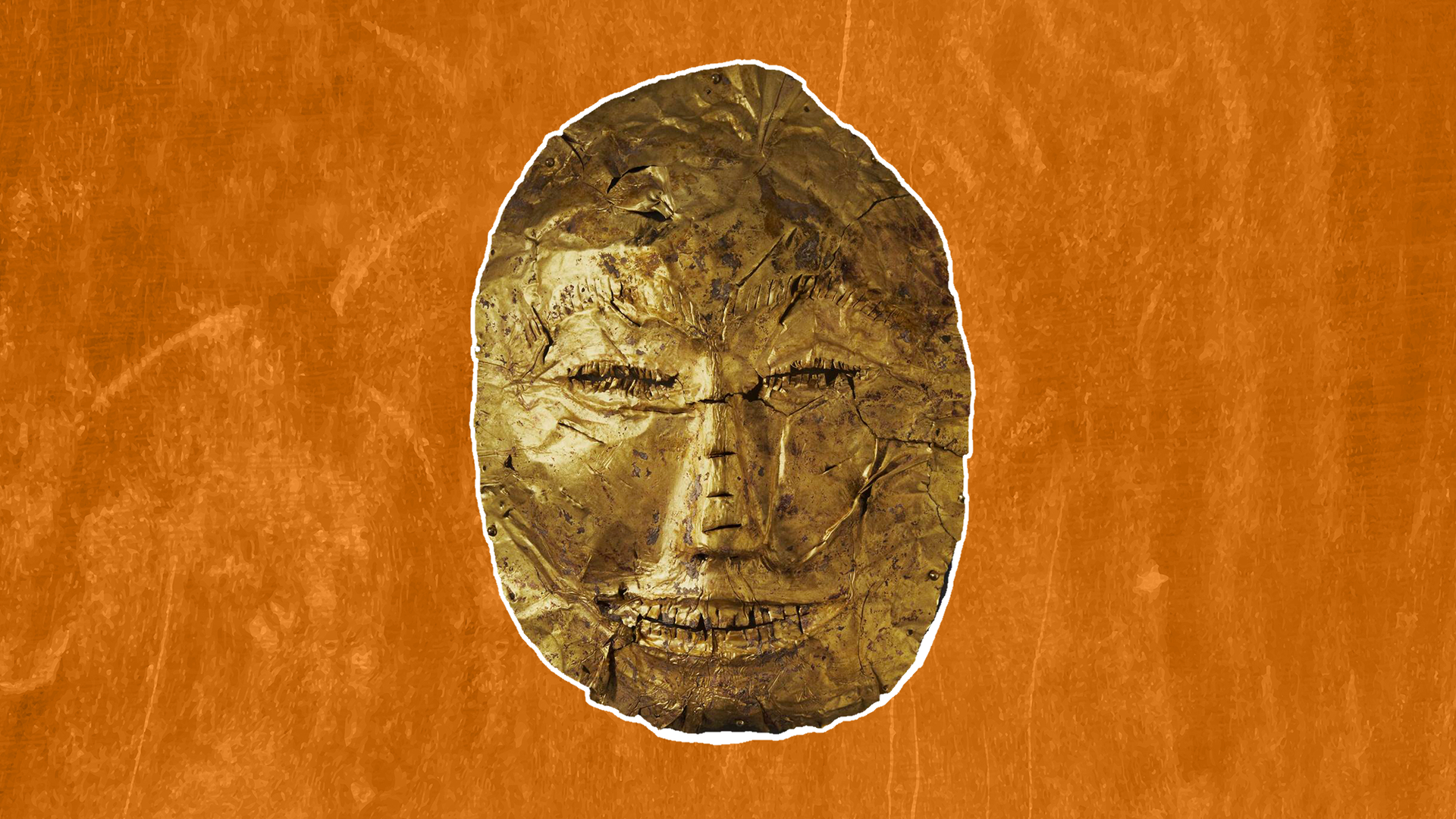
Индонезийн Ява арлаас олдсон хоёр мянга орчим жилийн настай алтан баг нь нас барагсдын сүнсийг төөрөгдүүлэх эсвэл талийгаачийг хүндэтгэх зорилгоор ашиглагддаг байсан бололтой.
Ява аралд МЭӨ 500-аас МЭ 200 оны хооронд бүтээгдсэн гэж үздэг энэхүү алтан баг нь 22.6 см урт, 17 см өргөн бөгөөд ойролцоогоор 60.9 грамм жинтэй ажээ. Археологич Жон Миксикийн тайлбарласнаар, уг баг дээр нүд, хамар, амны хэсэгт нүх гаргаж, хөмсөг, сормуус, шүдийг дүрслэн сийлсэн байна. Багны ирмэгээр тойруулан гаргасан жижиг нүхнүүд нь үүнийг нас барагчийн нүүрэн дээр эсвэл оршуулгын хөшөөнд бэхэлж байсныг илтгэдэг.
Эртний дархчууд Суматра эсвэл Борнео арлаас авчирсан цэвэр алтыг нимгэн хавтан болгон давтаж, цүүц ашиглан хээ хуарыг нь сийлдэг байжээ. Энэхүү олдвор нь Ява арлын түүхэн дэх оршуулгын зан үйлийн “Preclassic” буюу чандарлах ёс дэлгэрэхээс өмнөх үед хамаардаг. Тухайн үед нас барагсдыг оршуулахдаа алтан баг хэрэглэдэг байсан нь Энэтхэг, Хятад болон Зүүн Өмнөд Азийн бусад бүс нутгуудад ажиглагдсан нийтлэг соёл байв.
Судлаачид энэхүү багийг нас барагчийн дүрийг бодитоор илэрхийлэх эсвэл тодорхой анги давхаргын хүмүүсийг ялгах зорилготой байсан эсэх талаар маргасаар ирсэн. Мөн зарим угсаатны зүйн судалгаанд дурдсанаар, нас барагсдын сүнс амьд хүмүүст хор хөнөөл учруулж болзошгүй хэмээн болгоомжилдог байсан тул тэднийг төөрөгдүүлэхийн тулд ийм төрлийн баг хэрэглэдэг байсан байх магадлалтай гэж үздэг. Одоогийн байдлаар уг олдвор нь Йелийн их сургуулийн Урлагийн галерейд хадгалагдаж буй Ява арлын алтан эдлэлийн цуглуулгын нэг хэсэг юм.
Дэлгэрэнгүйг эх сурвалжаас харах
↓Эх сурвалжийг нээх ↓
Name: Funeral mask
What it is: A gold mask with a humanlike face
Where it is from: Java, Indonesia
When it was made: Between 500 B.C. and A.D. 200
This gold mask was made on the Indonesian island of Java around two millennia ago and was likely used to cover the face of a corpse, possibly with the aim of “confusing” the deceased’s spirit so that it did not torment the living.
According to the Yale University Art Gallery, which has the prehistoric artifact in its collection, the mask measures roughly 8.9 by 6.7 inches (22.6 by 17 centimeters) and weighs about 2.1 ounces (60.9 grams). The mask has openings at the mouth, eyes and nostrils, along with slits and slashes representing eyebrows, eyelashes and teeth. A series of holes punched around the edge of the mask suggests that it was once attached to a corpse or funeral statue, archaeologist John Miksic wrote in a book titled “Old Javanese Gold” (Yale University Press, 2011).
To create the mask, an ancient artisan would have procured high-purity gold from the nearby islands of Sumatra or Borneo, hammered the metal into a thin sheet roughly the size and shape of a human face, and then cut the incisions with a chisel, Miksic wrote. Because of the simple technique used to create the mask, Miksic dated the artifact to Java’s Preclassic period (500 B.C. to A.D. 200). During this era, prehistoric Javanese people inhumed their dead, before they switched to cremation in the following period. Gold face coverings were therefore most likely part of a prehistoric burial tradition, Miksic noted.
The custom of using gold to cover part or all of the deceased’s face has been found in prehistoric India, China and other parts of Southeast Asia, according to Miksic, coinciding with inhumation burials made just before the advent of cremation. But it is unclear whether one culture learned the practice from another or if it was invented independently. Other gold death masks predate the Asian examples, including the famous 3,500-year-old Mask of Agamemnon from Bronze Age Greece.
Scholars have argued about whether Javanese gold death masks were meant to be realistic or idealized versions of the deceased. In a 1990 book on Indonesian traditional masks, archaeologist Wahyono Martowikrido noted that the Javanese mask was unusually naturalistic and was likely created to resemble the deceased.
It is unclear why the ancient Javanese created and used death masks, Miksic wrote, but experts have three main ideas. The ancient Javanese had high regard for the spirits of their ancestors, so they may have used precious gold as the most suitable material for honoring those departed ancestors. Another possibility is that only high-status people merited gold masks, which would have separated the elite from the commoners in the next world.
Miksic also learned from ethnographic accounts of people who lived on eastern Indonesian islands that spirits of the dead could be hostile. To prevent these malevolent spirits from attacking the living, people would turn the corpse around during the funeral procession and even place the corpse’s head in a pot to confuse the spirit and make it unable to find its way back. This sort of belief may have led to the use of gold face covers, Miksic wrote.
The gold burial mask is one of the oldest artifacts in a collection of nearly 500 gold objects from Java donated to the Yale University Art Gallery by collectors Hunter and Valerie Thompson in 2007.
For more stunning archaeological discoveries, check out our Astonishing Artifacts archives.
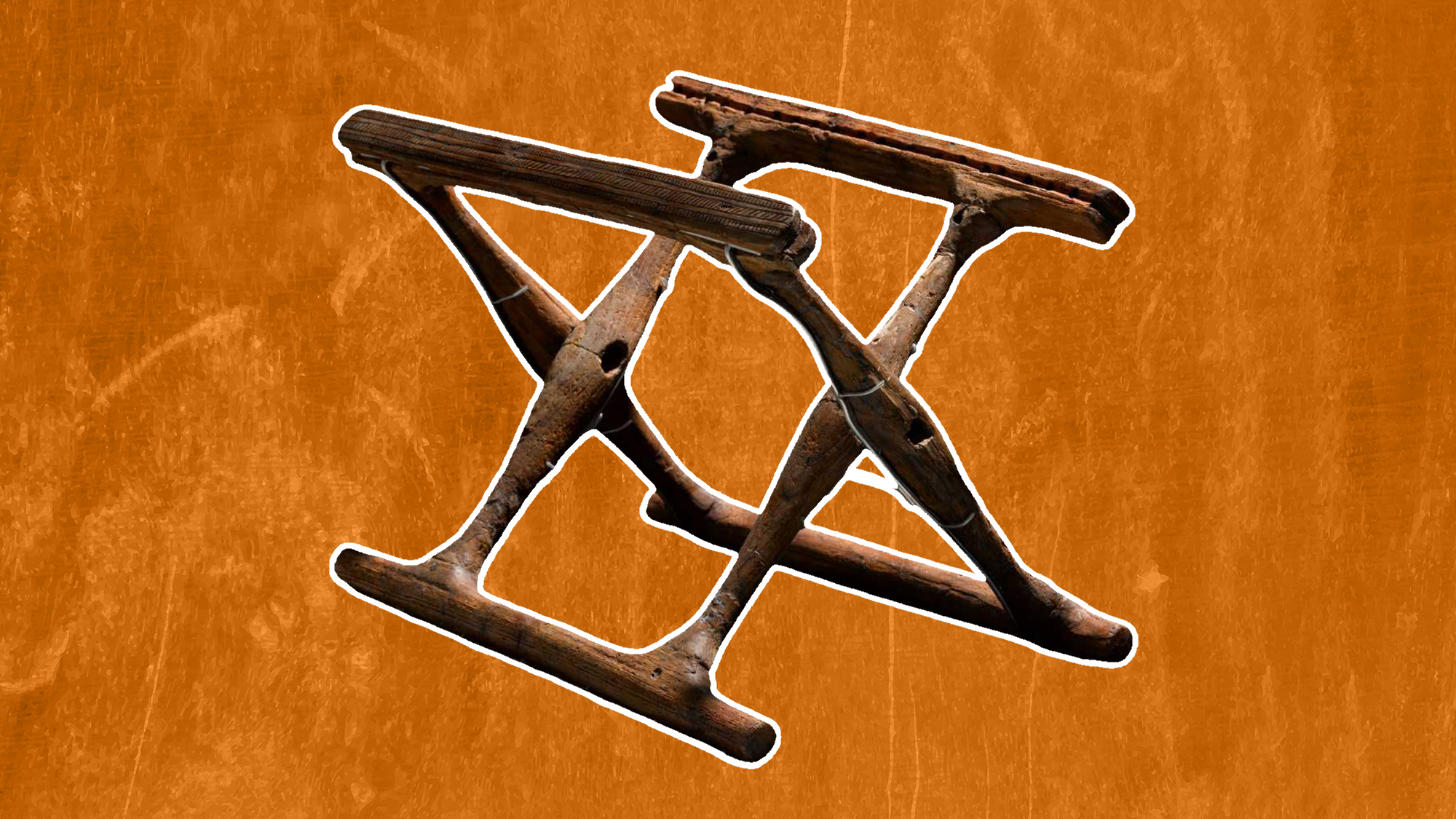
Guldhøj Chair
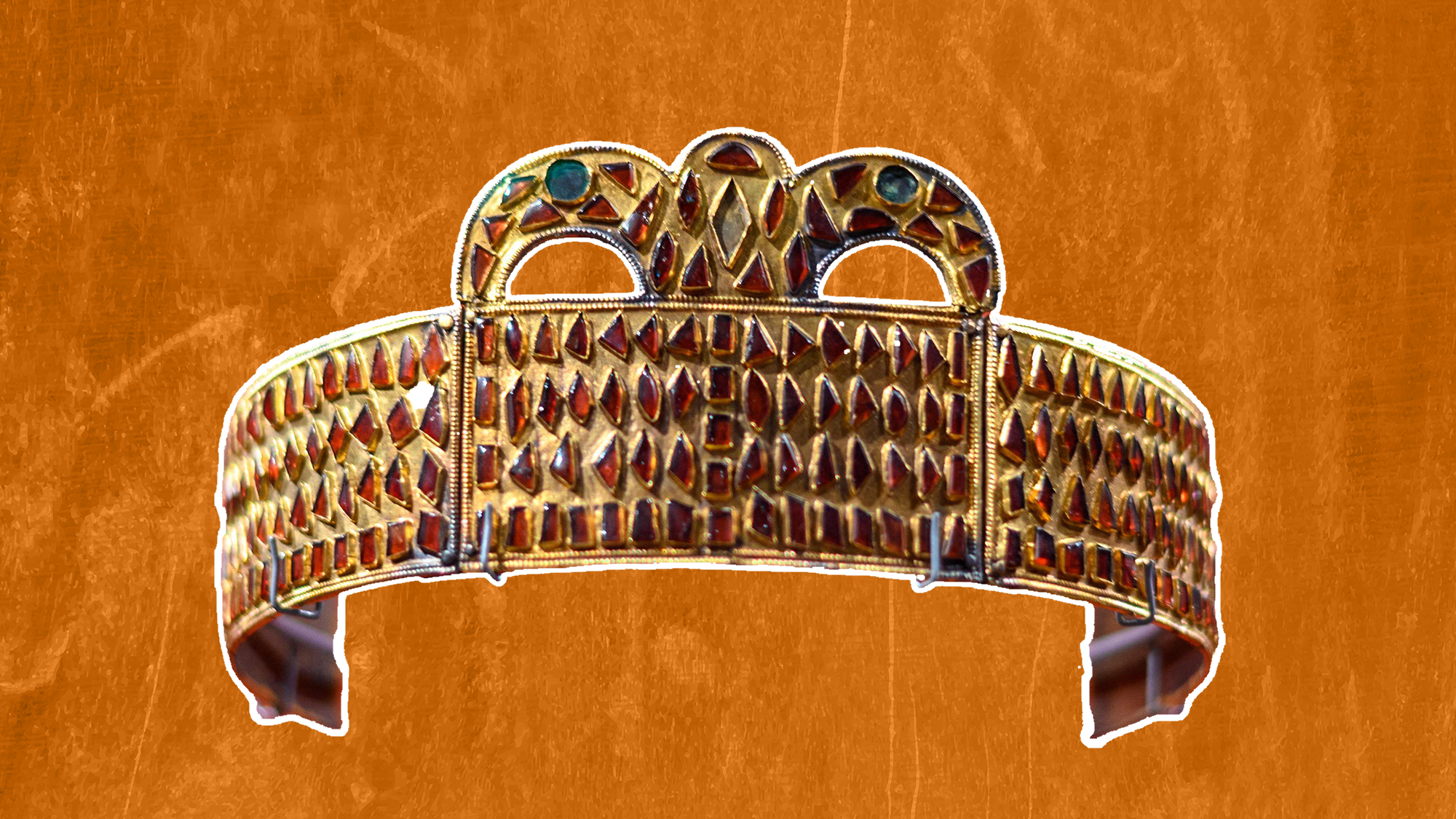
Kerch Crown
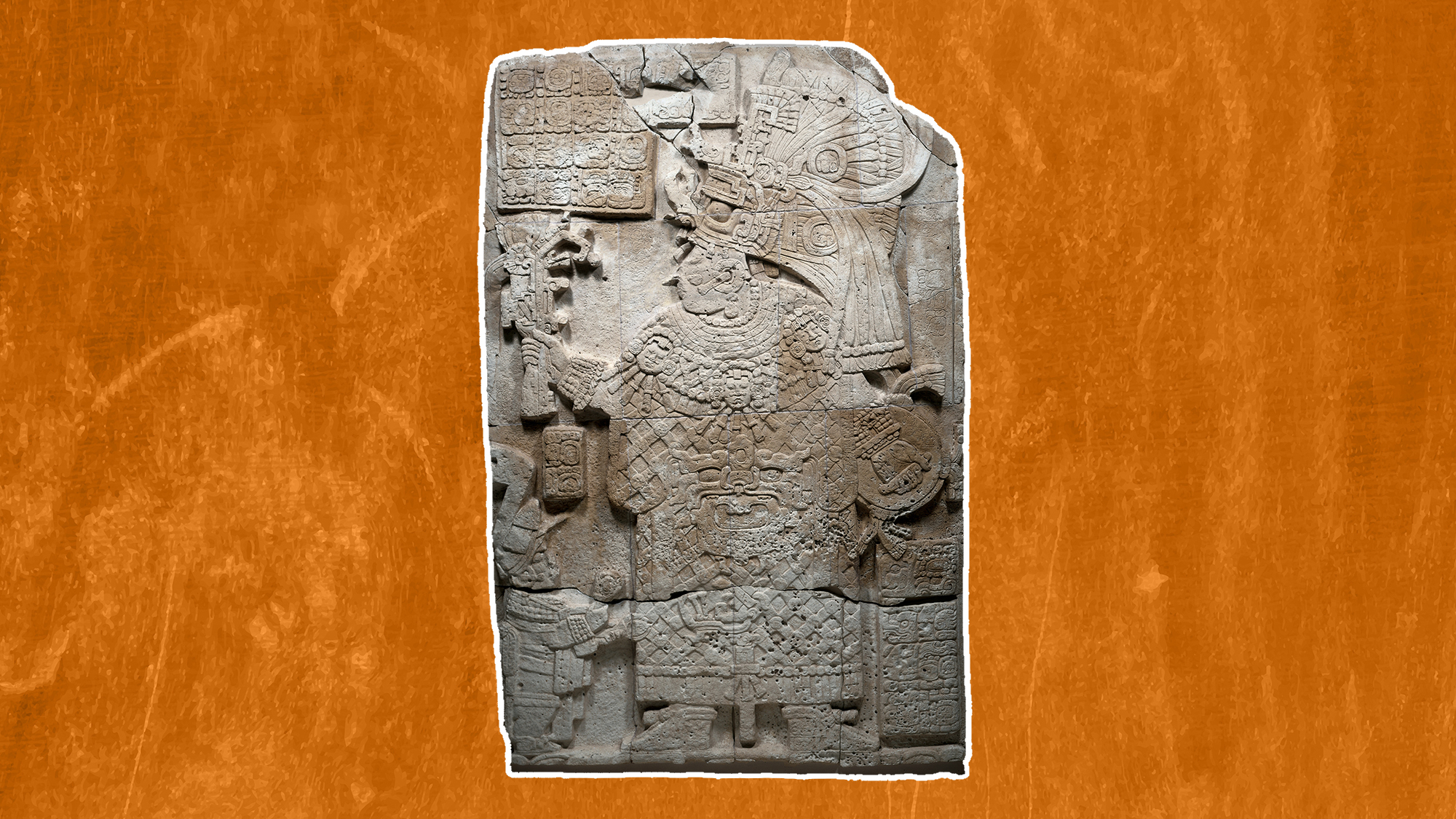
Lady K’abel Stela
Can you put together last week’s Astonishing Artifact?

