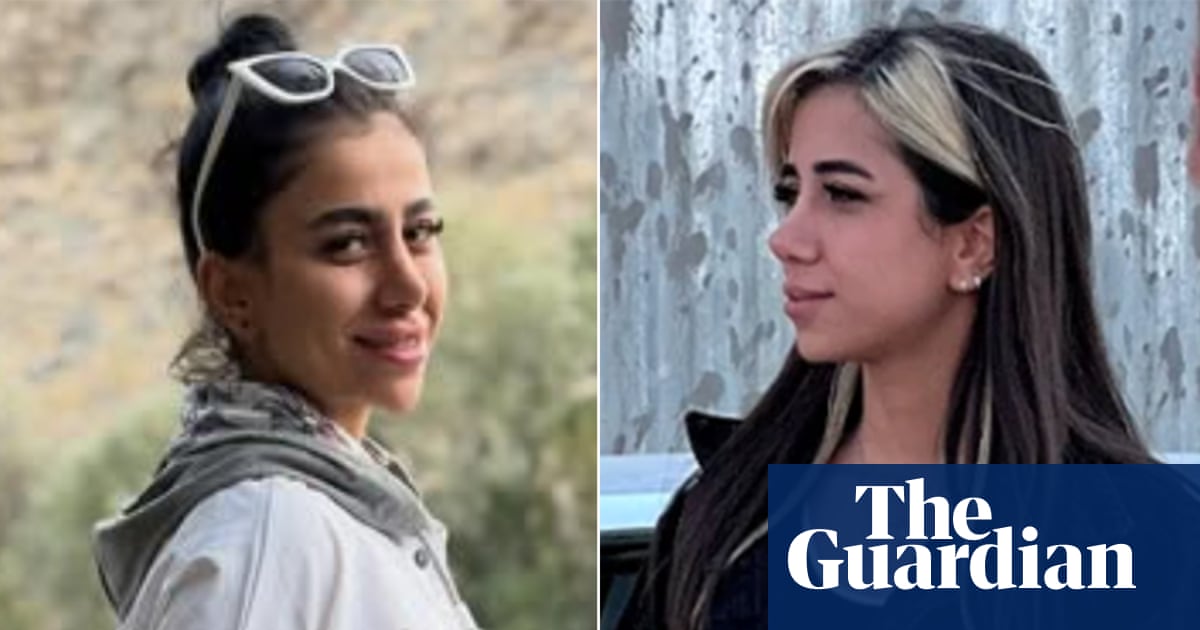
Ираны дэглэмийн эсрэг эсэргүүцлийн жагсаалд оролцсоныхоо төлөө цаазаар авах болон олон жилийн хорих ял сонссон ихэр эгч дүүсийн хэргийг хянуулахаар ар гэрийнхэн нь НҮБ-д албан ёсны хүсэлт илгээв.
Ираны иргэн 21 настай ихэр эгч дүү Таранех болон Ромина Рахими нарыг найман сарын өмнө Исламын хувьсгалт гвардийн цэргүүд баривчилжээ. Тэднийг Ираны Исфахан хотод болсон жагсаалд оролцсон хэргээр “Бурханы эсрэг дайн хийсэн” буюу “мохаребех” хэмээх ялаар буруутгасан байна. Наймдугаар сарын сүүлчээр Таранехыг цаазаар авах ялаар, харин Роминаг 25 жилийн хорих ялаар тус тус шийтгэжээ.
Ар гэрийнхэн нь шүүхийн шийдвэрийг эсэргүүцэн давж заалдах хүсэлтэй байгаа ч Таранехын цаазаар авах ял гүйцэтгэх ажиллагааг яаравчилж болзошгүй гэсэн болгоомжлол хүний эрхийн байгууллагуудын дунд байна. Хоригдож буй эгч дүүс тусгаарлагдсан нөхцөлд байгаа бөгөөд Таранехыг хэргээ хүлээхийг шаардаж, эгчийг нь хүчиндэхийг харуулах болно хэмээн сүрдүүлсэн гэж гэр бүлийнхэн нь мэдэгдлээ.
Британийн хүний эрхийн хуульчид ихэр эгч дүүсийн өмнөөс НҮБ-д мэдээлэл хүргүүлсэн нь олон улсын байгууллагаас Ираны эрх баригчидтай энэ асуудлаар яриа хэлэлцээ хийх боломжийг бүрдүүлж болзошгүй юм. Ираны Ерөнхийлөгч Масуд Пезешкиан НҮБ-ын Ерөнхий ассамблейн чуулганы үеэр тус улс дипломат харилцаа болон яриа хэлэлцээнд бэлэн байгаагаа илэрхийлсэн билээ.
Энэ онд Иранд 500 гаруй хүнийг цаазалсны дотор 16 нь эмэгтэйчүүд байсан гэх мэдээлэл бий. Үүнээс гадна олон зуун жагсагч цаазаар авах ял эсхүл үхлийн ял оноож болох хүнд гэмт хэрэгт буруутгагдаад байгаа бөгөөд зөвхөн Исфахан хотод л гэхэд 70 гаруй хүн ийм төрлийн ял сонсох эрсдэлтэй байна.
Дэлгэрэнгүйг эх сурвалжаас харах
↓Эх сурвалжийг нээх ↓
The family of 21-year-old twins who have been sentenced to death and decades in jail for protesting against the Iranian regime have appealed to the United Nations for help for the young women.
A formal “submission of information” relating to the case of Taraneh and Romina Rahimi has been submitted by British human right lawyers on their family’s behalf.
The move could lead to the UN’s human rights council opening talks with the Iranian regime about resolving the case if it is found to involve human rights violations.
The president of Iran, Masoud Pezeshkian, told the UN’s general assembly in New York this week that the country was “ready for dialogue and diplomacy”.
Taraneh and Romina Rahimi were taken from their beds by men from the Islamic Revolutionary Guards Corps eight months ago after they joined nationwide protests against the regime.
They were tried over charges that included moharebeh (waging war against God) for taking to the streets of Isfahan, in central Iran, on 8 and 9 January.
At the end of August, Taraneh, along with nine others, was sentenced to death. Romina received a 25-year prison sentence.
The girls’ family are seeking to appeal against the sentences but human rights groups have raised concerns that Taraneh’s execution could be fast-tracked.
The women are being held in Dowlatabad prison in Isfahan, where the twins’ family claim that Taraneh was threatened with being forced to watch the rape of her sister if she failed to sign a confession to her alleged crimes.
The sisters have been held in isolation but are said to have been able to hear each other’s screams as torture was inflicted upon them.
Neither of the women have been seen by their mother, Marzieh Nourmohammadi, or other members of the family since their sentencing.
After the Guardian highlighted the case, the women’s cousin, Masoud Nourmohammadi, an IT engineer who lives in the US state of Utah, said Taraneh was told that she would only be allowed to eat leftovers of other prisoners’ meals as punishment.
Nourmohammadi, 43, said he had turned to the UN out of desperation.
after newsletter promotion
Taraneh is said to be in need of surgery due to injuries inflicted during interrogation.
Nourmohammadi said: “Turning to the United Nations is not something I ever wanted to have to do. I am simply asking the international community to help ensure that Taraneh and Romina receive the basic rights that every human being is entitled to: a fair process, protection from torture and abuse, access to medical care and legal counsel, and the right to have their cases genuinely reviewed.
“Taraneh is facing the death penalty, and Romina is facing decades in prison. They are young women who should be thinking about their futures, not whether one sister will be executed and the other will spend the best years of her life behind bars.
“They are my family and I will continue to use every peaceful and legal avenue available. I ask the United Nations to stand with them before it is too late – especially for Taraneh.”
A submission to the UN through its “special procedures” can lead to a formal request by the international organisation to a member state for an explanation and action.
Iran has executed more than 500 people this year, including at least 16 women. Hundreds of protesters have been sentenced to death or are facing charges which could carry the death penalty, including more than 70 in Isfahan.

