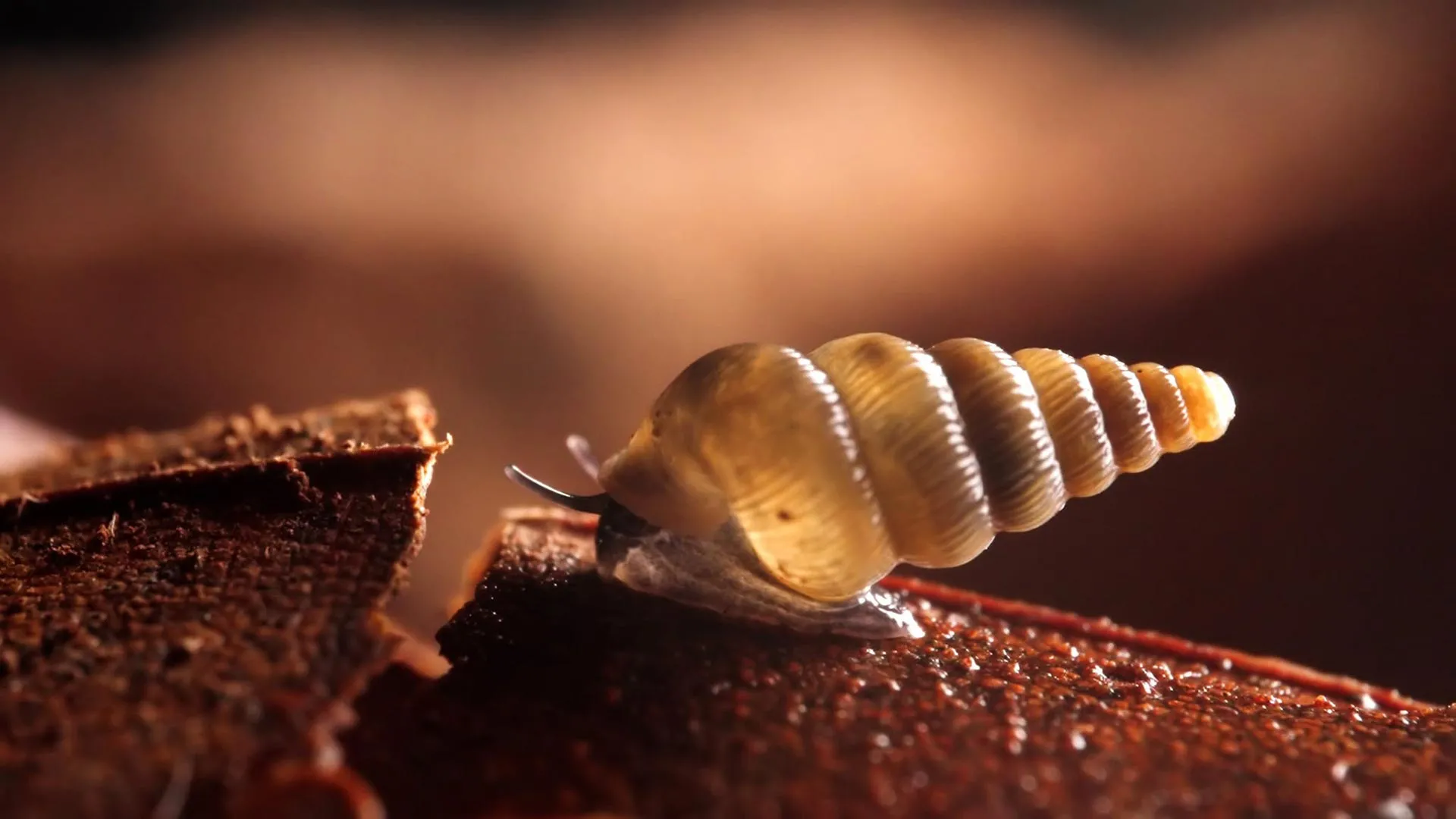
Европын дунгийн төрөл зүйлийн судалгаагаар өвөрмөц бүтэцтэй, шинжлэх ухаанд бүртгэгдээгүй хоёр зүйлийг Монтенегрод нээсэн байна.
Biodiversity Data Journal сэтгүүлд нийтлэгдсэн судалгаагаар Cochlostoma komarnica болон Cochlostoma dobrido хэмээх хоёр шинэ зүйл дунгийн нээлтийг зарлав. Эдгээр дун нь шохойн чулуулагт амьдарч, замаг болон хаг өвсөөр хооллодог бөгөөд ойролцоогоор 6 мм урт конус хэлбэрийн бүрхүүлтэй ажээ. Тэдгээр нь нүдээ тэмтрүүлийн үзүүрт бус, толгойн хажуу талд байрлуулсан байдаг нь ихэнх хуурай газрын дунгаас ялгарах онцлог юм.
Судлаачид эдгээр дунгийн сүүл хэсэгт байрлах дугуй хавтас нь амьтан бүрхүүл рүүгээ орох үед хаалга мэт хаагдаж, хамгаалалт болдог болохыг тогтоожээ. Эдгээр зүйлийг 2018-2025 оны хооронд Монтенегрод зохион байгуулсан хээрийн судалгааны явцад илрүүлсэн бөгөөд хээрийн лабораторид хийсэн задлан шинжилгээ болон генетикийн шинжилгээгээр шинэ зүйл болохыг нотолсон байна.
Шинэ зүйлүүдэд олдсон газруудынх нь нэрийг өгсөн бөгөөд Cochlostoma dobrido-г Дурмитор үндэсний цэцэрлэгт хүрээлэнгийн Добри До тэгш өндөрлөгийн нэрээр, Cochlostoma komarnica-г Комарница хавцлын нэрээр тус тус нэрлэжээ. Хээрийн судалгаанд оролцсон судлаачид Балканы хойгийн уул нурууд болон хавцал бүхий бүс нутгуудад хараахан бүртгэгдээгүй олон төрөл зүйл байх магадлалтай гэж үзэж байна.
Гэсэн хэдий ч Комарница хавцалд усан цахилгаан станц барих төлөвлөгөө нь тус бүс нутгийн экосистемд ноцтой аюул учруулж болзошгүй байгааг судлаачид анхааруулж байна. Байгаль хамгаалагчид тус хавцлыг Дурмиторын ЮНЕСКО-гийн Дэлхийн өвийн бүсэд нэгтгэж, усан сан байгуулах төслөөс татгалзахыг уриалж байгаа юм.
Дэлгэрэнгүйг эх сурвалжаас харах
↓Эх сурвалжийг нээх ↓
Two newly identified snail species have expanded the known diversity of European land snails. The species, Cochlostoma komarnica and Cochlostoma dobrido, are described in a new study published in the open-access Biodiversity Data Journal.
Neither species has an English common name yet. Both are small, with cone-shaped shells measuring about 6 mm in length, and they live on limestone rocks where they feed on algae and lichens.
They also have several unusual features. Unlike most land snails, their eyes are positioned along the sides of the head rather than at the tips of eye stalks. They also carry a circular disk attached to the tail that can seal the shell opening like a door when the animal retreats inside.
New Species Found in Montenegro’s Mountains
The snails were discovered during expeditions organized by Taxon Expeditions, an initiative that allows members of the public to take part in genuine scientific fieldwork.
Between 2018 and 2025, expeditions in Montenegro were carried out through a partnership involving Taxon Expeditions, the non-profit Taxon Foundation, and local collaborators from the Montenegrin Ecologists Society.
The field teams brought together international researchers, citizen scientists, local students, and conservationists to investigate the biodiversity of Durmitor National Park and Komarnica Canyon.
Researchers encountered the snails at several locations while working in the region’s rugged mountain terrain. However, it was not immediately clear that they represented species unknown to science. That became evident only after the animals were dissected and genetically analysed in the field laboratory.
Named After the Places Where They Were Found
The expedition team chose the names during a vote held at camp.
“Cochlostoma dobrido,” was named after the Dobri Do Plateau, located among the peaks of Durmitor National Park. “Cochlostoma komarnica,” takes its name from the stunning but unprotected Komarnica Canyon, which lies south of Durmitor.
“I was amazed that it is still possible to discover new animal species in Europe,” says musician Janine Buisman from The Netherlands, who participated in one of the expeditions and later became a co-author of the paper.
Biologist Jovana Đokić of the Montenegrin Ecologists Society (MES), another author of the study, says the canyons, mountains, and gorges of this part of the Balkans contain extensive biodiversity that remains poorly explored, with many species potentially still waiting to be documented.
Komarnica Canyon Faces a Hydropower Threat
Đokić says that makes plans affecting Komarnica Canyon especially concerning.
“It is all the more worrying that the Komarnica Canyon is targeted to be flooded by a hydropower dam and reservoir. This will destroy this wild river canyon and all the biodiversity in it, including many species still unknown to science.”
– Jovana Đokić
The proposed development has helped make Komarnica Canyon a major focus of organized biodiversity surveys. Researchers and conservation groups are documenting its wildlife in an effort to build a scientific case for protecting the area.
MES is calling for Komarnica Canyon to become part of the UNESCO World Heritage site of Durmitor and for plans for the hydropower project to be abandoned.
“Hydropower is neither green nor sustainable energy when it destroys a unique ecosystem like this,” says Đokić.

