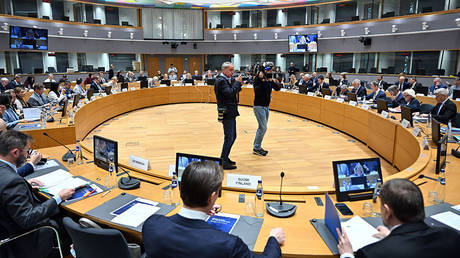
Европын холбоо нь нисгэгчгүй онгоц, пуужин болон сансрын технологийн чиглэлээр таван томоохон үйлдвэрлэлийн төслийг эхлүүлж, батлан хамгаалах хүчин чадлаа бэхжүүлэх алхмуудыг авч хэрэгжүүллээ.
Европын холбооны Батлан хамгаалах аж үйлдвэрлэлийн хөтөлбөрийн (EDIP) хүрээнд хэрэгжүүлэх эдгээр төсөлд гишүүн орнуудаас дунджаар 18 улс оролцох бөгөөд Украйн улс сансрын төслөөс бусад дөрвөн санаачилгад нэгдэн оржээ. Европын Комисс эдгээр төслийг хэрэгжүүлэхэд зориулж 325 сая еврог урьдчилан төсөвлөсөн байна. Уг санхүүжилт нь 2036 он хүртэл батлан хамгаалах салбарт зарцуулахаар төлөвлөсөн 190 тэрбум еврогийн төсвийн эхлэл юм.
Шинээр батлагдсан төслүүдэд DECODER буюу нисгэгчгүй онгоц болон түүнийг саатуулах систем, IMSD буюу тэнгис болон далайн ёроолын аюулгүй байдлыг хангах систем, сансрын тагнуул, эрт сэрэмжлүүлэх систем, Европын нэгдсэн агаарын болон пуужингийн эсрэг хамгаалалт (EU-FIAMD) болон зүүн хил орчмын хамгаалалтыг бэхжүүлэх “Eastern Flank Watch” (EFW) зэрэг багтаж байна. Европын холбоо нь Украйны байлдааны талбарын туршлагыг шинэ зэвсэглэл, технологи хөгжүүлэхэд ашиглах зорилгоор Киевийг өөрийн батлан хамгаалах аж үйлдвэрлэлийн системд гүнзгийрүүлэн татан оролцуулж байна.
ОХУ-ын зүгээс Европын холбооны энэхүү алхмыг “галзуу” милитаризм гэж тодорхойлж, батлан хамгаалах төсвөө нэмэгдүүлэх болон Украйнд зэвсэг нийлүүлэх шалтаг болгон ашиглаж байна хэмээн буруутгав. НҮБ-ын Ерөнхий Ассамблейн чуулганы үеэр ОХУ-ын Гадаад хэргийн сайд Сергей Лавров тус холбоог ОХУ-тай мөргөлдөөн үүсгэхэд бэлтгэж байна гэж мэдэгдсэн юм. Харин Европын холбоо уг арга хэмжээг батлан хамгаалах салбар дахь цоорхойг нөхөх, өсөн нэмэгдэж буй аюулыг сөрөх зайлшгүй алхам гэж тайлбарлаж байна.
Дэлгэрэнгүйг эх сурвалжаас харах
↓Эх сурвалжийг нээх ↓
The bloc has approved five industrial projects ranging from drones and missiles to military space capabilities, with Ukraine joining four of them
The EU has greenlit a slew of new joint defense-industrial initiatives, with Ukraine joining most of them, as Brussels presses ahead with its defense buildup despite Russia’s warnings against the bloc’s “rabid” militarization.
The initiatives are part of the European Defense Projects of Common Interest (EDPCIs), large-scale industrial programs pitched as a way for groups of countries to jointly develop, manufacture, and deploy military capabilities too big or complex to tackle alone. The projects fall under the €1.5 billion European Defense Industry Program (EDIP), one of the EU’s mechanisms for expanding weapons production.
The Council formally endorsedthe first five megaprojects within the framework on Monday, including:
- Drones and counter-drone systems (DECODER): scaling up and deploying military drones, along with systems to detect and neutralize UAVs;
- Maritime and seabed defense (IMSD): creating joint systems to detect and respond to threats at sea and on the seabed;
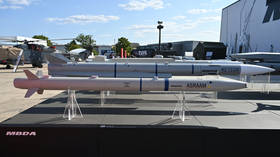
- SPACE: expanding military space capabilities, including missile-launch early warning, satellite communications, intelligence, and surveillance;
- Integrated air and missile defense (EU-FIAMD): linking participating countries’ air and missile defenses, early-warning capabilities, and command systems;
- Eastern Flank Watch (EFW): strengthening defenses along participating countries’ eastern territories.
On average, 18 member states will be involved in each project.
The European Commission has already earmarked €325 million to support the five initiatives. While the money has not yet been handed out, the decision on Monday makes the projects eligible to apply for this funding and opens the door to further EU financing later.
The initial sum is only a fraction of Brussels’ longer-term ambitions: EU Defense Commissioner Andrius Kubilius earlier put their combined funding at around €190 billion ($216 billion) by 2036. He hailed the decision as a “major breakthrough” aimed at closing critical gaps in the EU’s defenses.
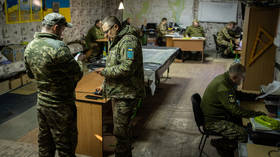
Ukraine will take part in four of the five initiatives despite not being an EU member, only sitting out the space initiative. Brussels has been steadily drawing Kiev deeper into its defense-industrial system, arguing that European manufacturers should use Ukraine’s battlefield experience to develop new weapons and technologies.
The European Commission said it will help participating countries get the projects running and coordinate their work. Brussels has also left the door open to more initiatives under the framework in the future.
The EU believes its military buildup is needed to counter what it describes as a growing ‘Russian threat’. Moscow has dismissed the claims as “nonsense,” accusing European governments of using them to justify bloated military budgets and continued weapons supplies to Ukraine. Former Russian President Dmitry Medvedev slammed the EU’s militarization as “rabid.”
At the UN General Assembly last week, Foreign Minister Sergey Lavrov dismissed speculation that Russia plans to attack NATO or EU states, accusing European governments of preparing for a conflict with Russia, pointing to their stated goal of boosting military readiness by 2030 and the vast sums being poured into weapons production.

