Amazon Web Services (AWS) үүлэн тооцооллын салбарт давамгайлах байр сууриа хадгалахын тулд хэрэглэгчийн туршлагыг сайжруулж, програм хангамжийн үйлчилгээ (SaaS) үзүүлэх оролдлогоосоо татгалзаж, дэд бүтцийн найдвартай ханган нийлүүлэгч байхад төвлөрөх хэрэгтэйг салбарын шинжээчид зөвлөж байна.
Өнөөгийн зах зээлд Vercel, Railway, CloudFlare зэрэг шинэ үеийн платформууд AWS-ийн дэд бүтцийг ашиглан илүү уян хатан, хэрэглэгчид ээлтэй үйлчилгээг үзүүлж байна. Эдгээр шинэ компаниуд хуучны системүүдийн ачаалалгүйгээр хэрэглэгчдэд чиглэсэн үйлчилгээг санал болгож байгаа нь AWS-ийн өнөөг хүртэл баримталж ирсэн “бүх зам AWS руу хөтөлдөг” гэх хандлагыг сулруулж эхэлжээ.
AWS нь өнгөрсөн хугацаанд үүлэн тооцооллын үйлчилгээ үзүүлэгчийн хувьд Pinterest зэрэг томоохон стартапуудыг татаж чадсан ч OpenAI-ийн Azure-тай хийсэн хамтын ажиллагаа болон Microsoft-ын хөрөнгө оруулалтын хажууд хоцрогдох хандлагатай байна. Сэм Олтманы удирддаг OpenAI компани Azure-ийг эртнээс сонгосон нь AWS-ийг гүйцэх гэж ихээхэн хүчин чармайлт гаргахад хүргэсэн бөгөөд саяхан OpenAI AWS-тэй 100 тэрбум долларын амлалт бүхий гэрээ байгуулсан хэдий ч өрсөлдөөн ширүүн хэвээр байна.
Amazon-ын зүгээс SaaS чиглэлд хийж буй оролдлогууд, тухайлбал өнгөрсөн долоо хоногт танилцуулсан CloudWatch Infinidash зэрэг шинэ шийдлүүд нь хэрэглэгчийн туршлага муутай, тохируулахад төвөгтэй байгаа нь шүүмжлэл дагуулж байна. Компани нь дэд бүтэц, логистикийн хувьд хүчирхэг боловч хэрэглэгчийн интерфэйс болон үйлчилгээний түвшинд өрсөлдөх чадвар сул байгаа нь AWS-ийн гүйцэтгэх удирдлагын түвшинд өөрийгөө танин мэдэх асуудал үүсгэж буйг харуулж байна.
Тиймээс AWS нь SaaS компани болох гэж хичээхийн оронд Vercel зэрэг платформуудыг дэмжих, жижиг стартапуудад илүү таатай орчин бүрдүүлэх замаар бөөний худалдааны чиглэлдээ тэргүүлэгч байх нь илүү үр дүнтэй алхам болох юм. Хэрэглэгчийн үнэнч байдлыг бий болгохын тулд тэднийг жижиг хэмжээтэй байхаас нь эхлэн чанартай үйлчилгээгээр хангах нь урт хугацааны хөгжлийн түлхүүр гэж үзэж байна.
Дэлгэрэнгүйг эх сурвалжаас харах
↓Эх сурвалжийг нээх ↓
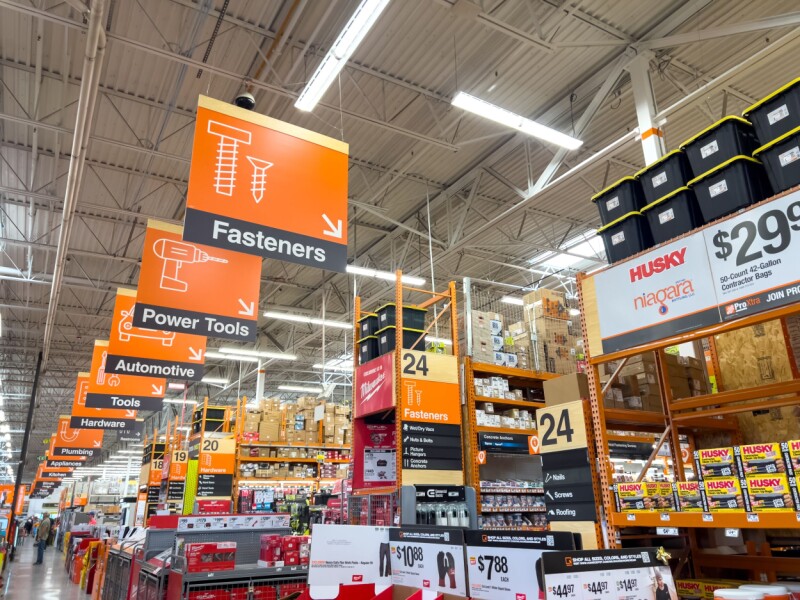
Historically, building an application on top of AWS felt less like buying well-thought-out products, and more like a trip to Home Depot. This was great in an era before we had computers that would handle the “bolting all the parts together for us” parts, but increasingly it’s starting to feel a lot more dated. Today, you can use Railway, Vercel (itself a platform built atop AWS), CloudFlare, and a host of other next-generation providers who will no doubt attempt to show up self promotionally in the comments. The thing these new platforms have in common is pretty basic. They don’t have the legacy baggage of having to support AWS customers accrued over the past twenty years. What they do have is a customer-forward philosophy that doesn’t require customers to prove themselves worthy of using their product first. Institutional arrogance From where I sit, there’s almost been a sense of institutional arrogance in AWS’ view of the market, of the form “we’re AWS, obviously customers will choose us.” A recent testimonial on their site cites a YC founder saying “For startups of a certain scale, all roads lead to a hyperscaler like AWS.” Note there’s some selection bias at play: this is a quote on the AWS site itself, from a vendor whose product is explicitly aimed at making AWS easier to live with. There’s clearly a baked-in sense of “we have a right to win here,” which means they’re in for one heck of a bad day when reality comes crashing in. AWS has shown a track record of missing breakout success stories when they’re small. They like to point at Pinterest, a previous-generation darling startup that was born on AWS. Had Pinterest picked another vendor – not that there were a lot of other great options back in 2010 – an argument could be made that they’d never have found their way to Amazon, because migrations are hard and the value has to be there. You could also theorize that over the past decade-and-a-half there are times Pinterest would have jumped ship away from AWS — but again, migrations are hard. OpenAI went early with Azure, and to get Sam Altman’s darling to play ball with them, AWS has had to play a catch-up game. OpenAI started running its big experiments on Azure in 2016, and Microsoft formalized the relationship with a billion dollar investment, although things seem to have gotten rockier since. Amazon, meanwhile, went from an ordinary cloud contract to “up to $50B” in investment, and OpenAI expanded its AWS commitment by $100B earlier this year. Overall, AWS seems out of the loop with the current AI zeitgeist. Take Vercel as an example. They’re a platform built entirely atop AWS itself, which means that, in this new era, AWS is a wholesaler. Wholesalers don’t tend to find out about the new upstart that’s taking the world by storm until its growth levels off. Until that point, telling a rocket ship “hey, come for a worse experience where you get to build a lot of the things you currently take for granted, but your infrastructure bills will be smaller” is a craptastic sales pitch. The publication system for my Last Week in AWS newsletter runs mostly on Vercel rather than AWS. This costs me more per month (roughly $30 instead of “pennies”) but the user experience is absolutely night-and-day different, to the point where I’m about to migrate more workloads to Vercel. User experience has always been important; increasingly the user is becoming an AI agent, and having to fight on the agent’s behalf just to establish credentials to the platform, let alone do anything complicated with it, distills down to feeling like a platform hates you. Maybe it does! Maybe it just doesn’t care. But there are a lot of platforms out there nowadays that do care, and that manifests in product selection. Moving up the stack, badly With the notable exception of Amazon Connect – which they are now repurposing as a brand to mean a bunch of things other than the “run your call center” service that actually succeeded – AWS’s attempts to move up the stack have ended horribly. Every time they attempt to bring something to market that’s a SaaS-shaped product, or is competing in a place where good user experience is going to dominate, it’s just a matter of time before it ends up in the AWS graveyard. Last week, they launched what I insist on calling CloudWatch Infinidash, a new agentic experience layer for existing CloudWatch offerings. Sure enough, my agent and I took over three hours just to get the thing configured, and I wasn’t exactly starting from zero. Amazon Quick (whatever that’s supposed to mean, given it changes from week to week) is in much the same boat. I liked it very much at launch, but it doesn’t appear to have materially changed since then, in a space where weekly change is a given. Amazon as a whole feels constitutionally incapable of being more than an (admittedly impressive) infrastructure and logistics company. The fact that they keep trying to be otherwise, yet keep failing abysmally, says that there’s a self-awareness issue going on in their executive suites. Be the best wholesaler you can be The right move for AWS would be to stop trying to be a SaaS company, and emphasize being excellent as a wholesaler. Make life great for the Vercels of the world, and focus on making the experience of being a three-person company on AWS actually pleasant, not just subsidized with credits. Any “right to win” has to be earned while the customer is small, and in no way a standout. That’s what builds loyalty that lasts into the hypergrowth era. Otherwise, you’re just reorganizing where Home Depot put the hinges this week. ®

